
Last updated October 30, 2026
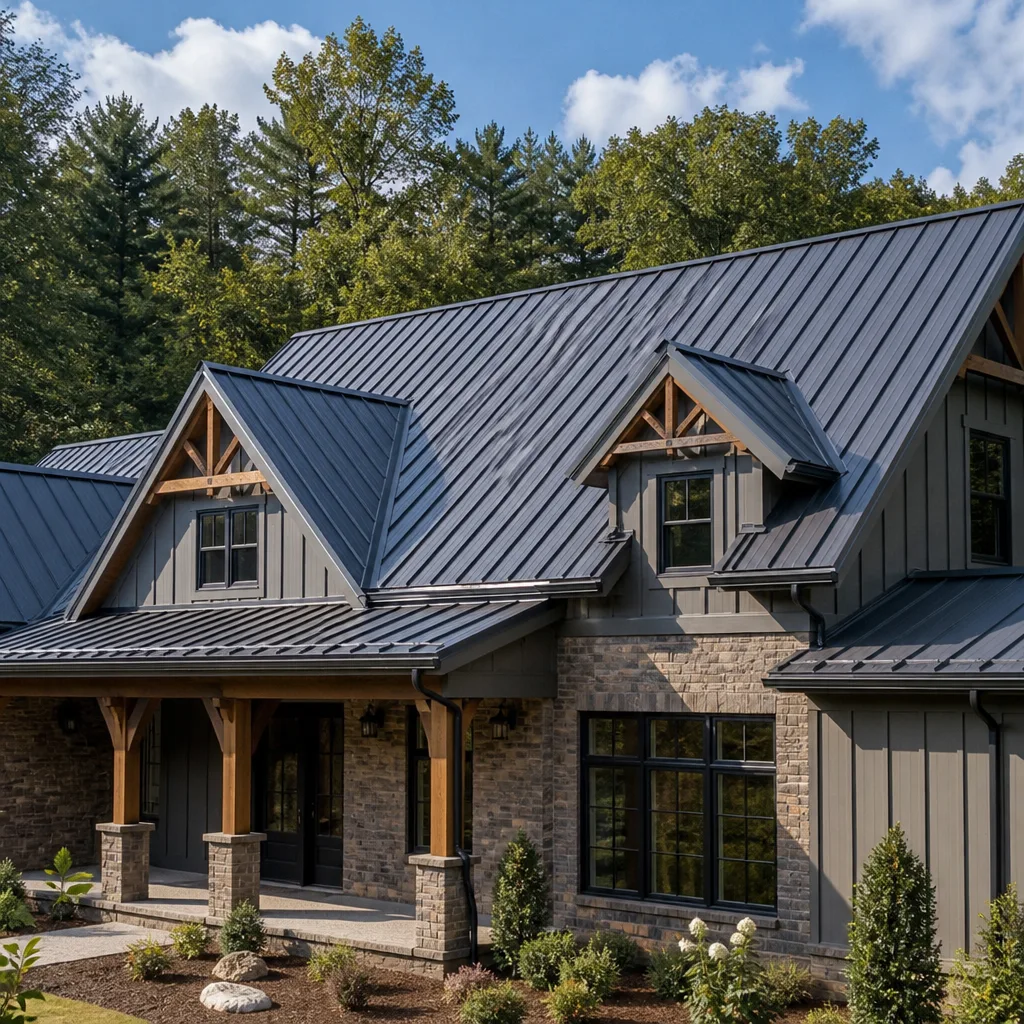 Metal roofing
 Architectural shingles
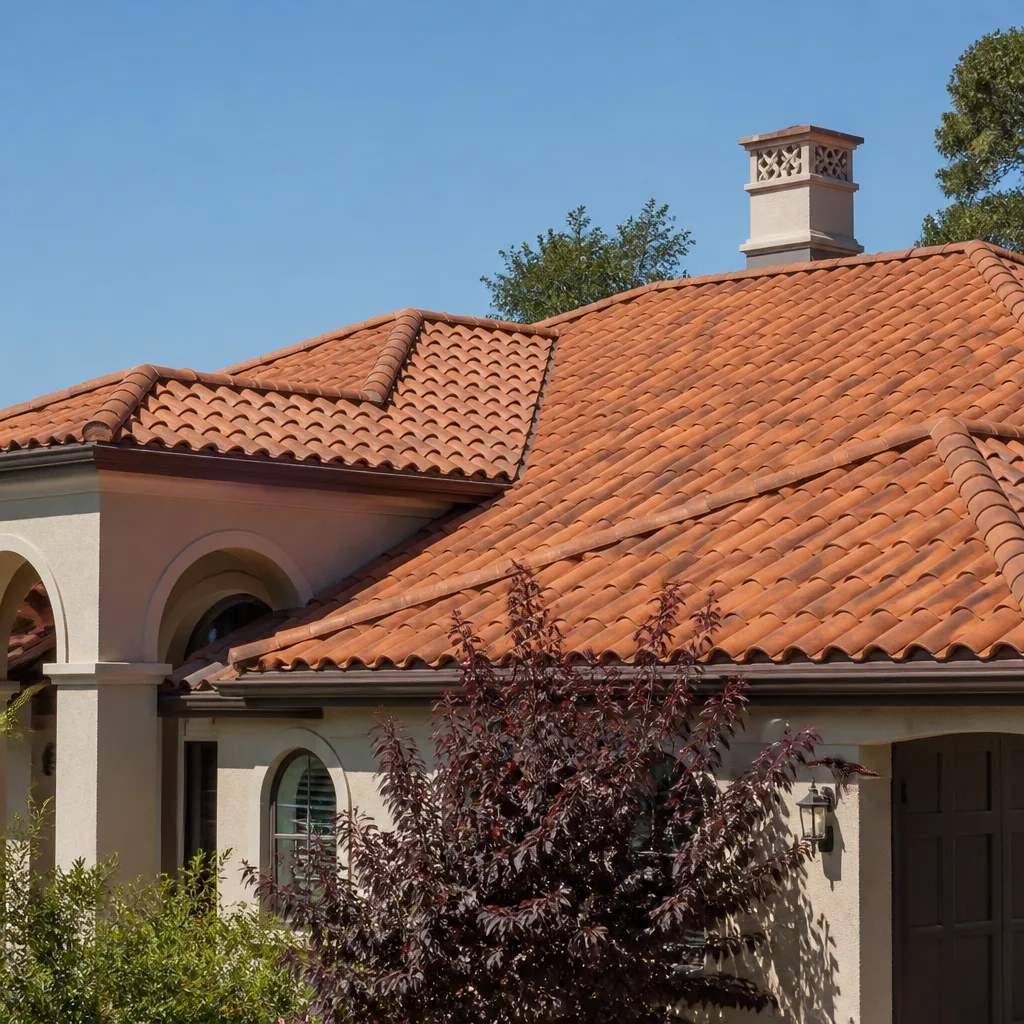 Tile roofing
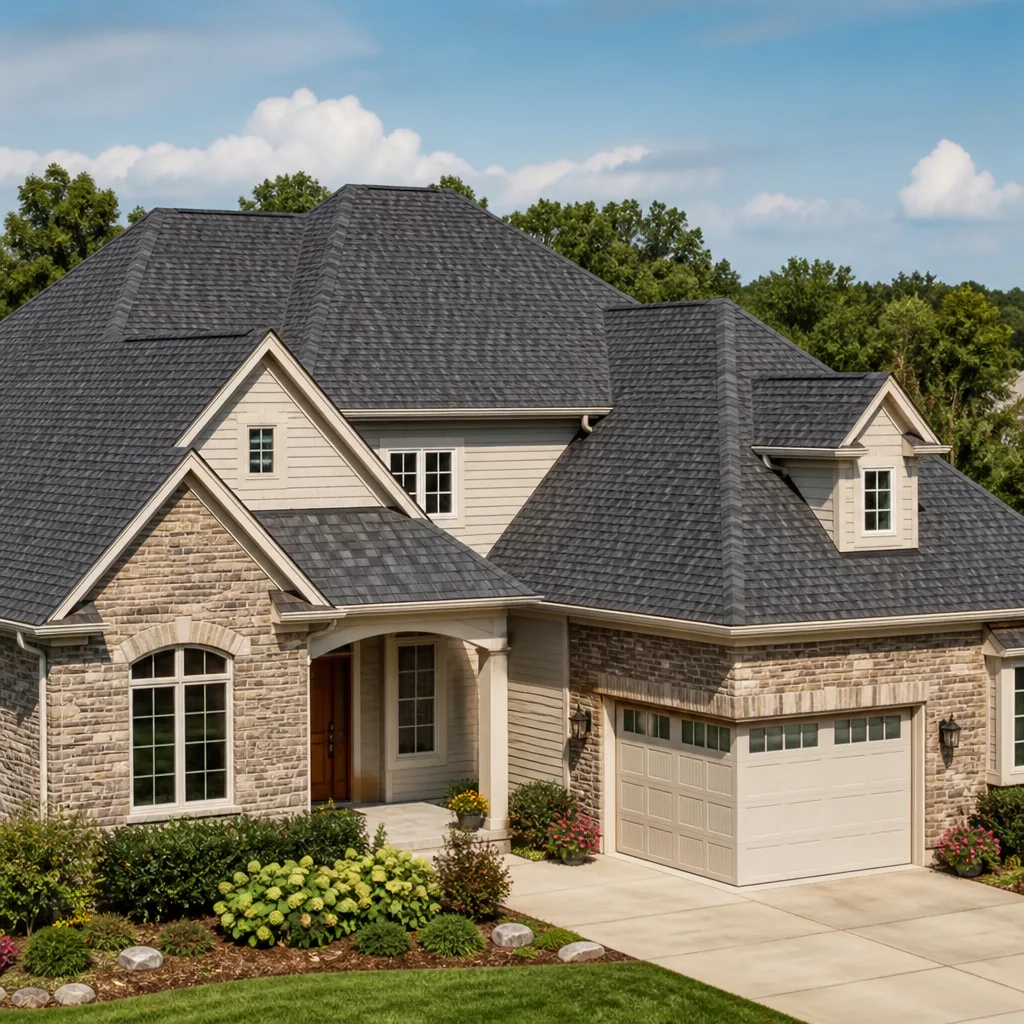 GAF
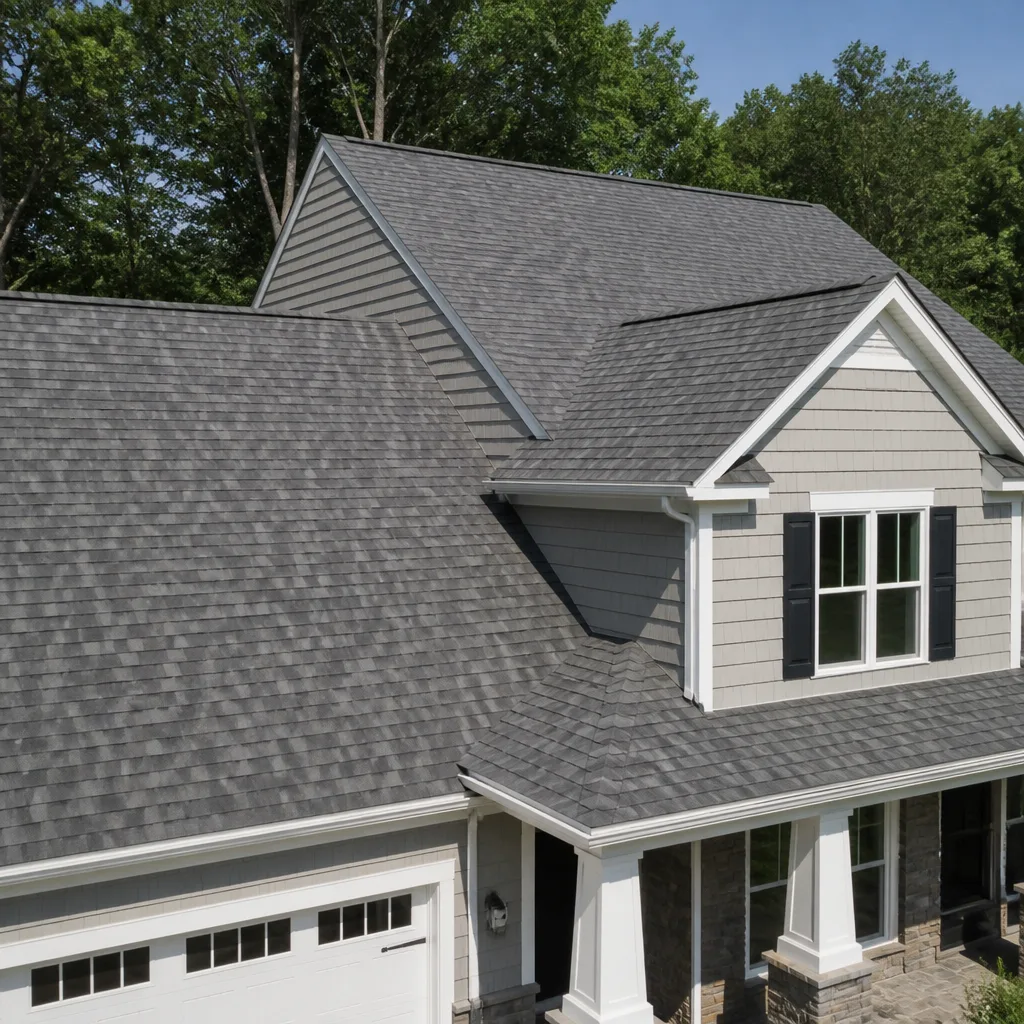 Owens Corning
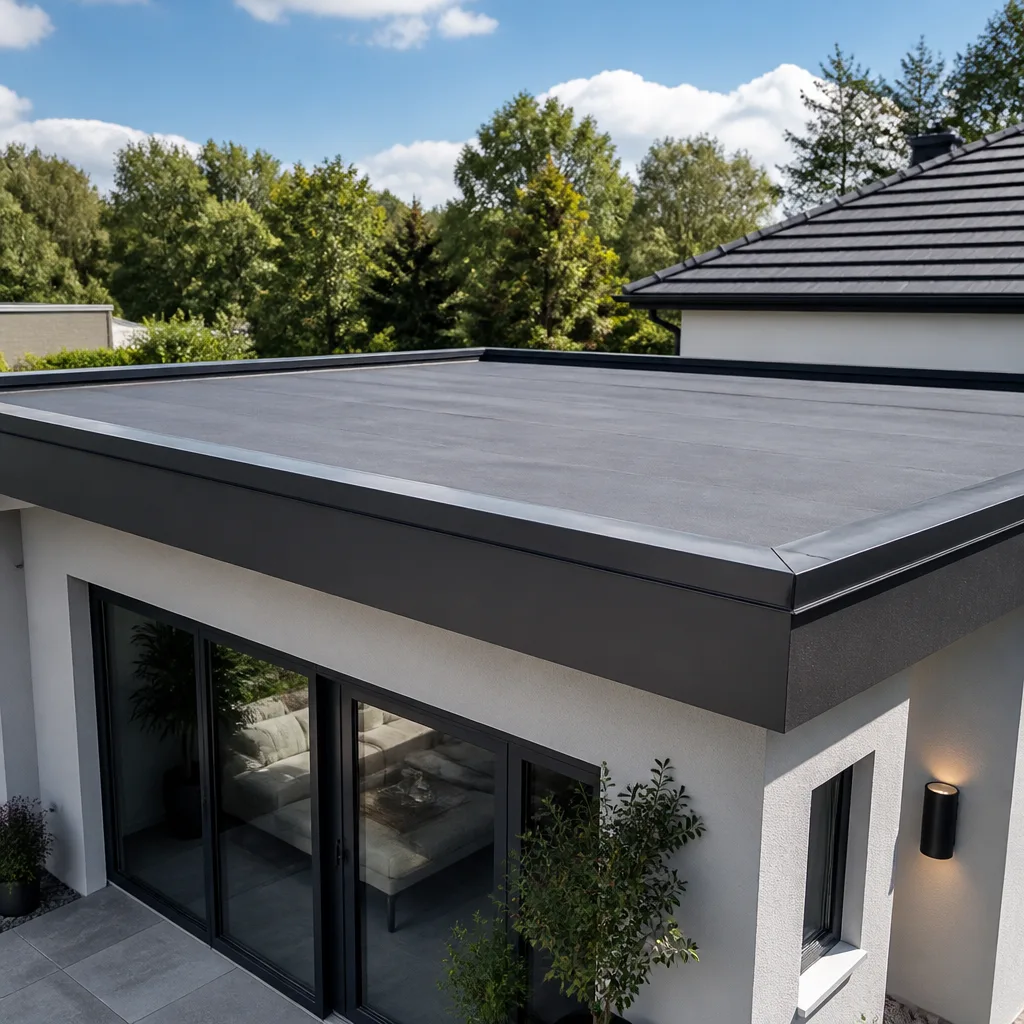 Flat & low-slope
Free roof inspection with deck photos before we talk money - GAF and Owens Corning certified installation
DIY vs Professional Roofing: The Westminster Homeowner’s Decision Guide
Every year, a Westminster homeowner climbs onto a roof with a tube of roofing cement and a YouTube tutorial, and every year we get called to fix the result. The economics look straightforward: a bucket of patch costs $12, a contractor visit costs $285. But here’s the number that doesn’t show up in the tutorial comments. Most asphalt shingle manufacturer warranties contain language that voids coverage when repairs are performed by anyone other than a licensed contractor. A $12 patch can quietly kill the warranty on a $14,000 roof. This guide walks through what’s actually safe to do yourself, what isn’t, and how Westminster’s specific climate, building code, and market conditions change the math. For common problems and how to fix them, see our troubleshooting resource.
Styles & brands we work with
Quick Answer
For most Westminster homeowners, the honest answer is split: gutter cleaning, ground-level caulking, and visual documentation are reasonable DIY tasks, while anything involving shingle replacement, flashing repair, or walking a roof with a pitch steeper than 4:12 should go to a licensed professional. The deciding factors are less about skill and more about warranty language, California fall-protection law, and whether Orange County permit rules treat your project as a repair or a re-roof. If you’re unsure where to start, our step-by-step guide to hiring a roofing contractor in Westminster covers the vetting process.
Table of Contents
- What’s Actually DIY-Safe in Westminster
- The Warranty Trap: How Manufacturers Structure Contractor Requirements
- California Fall-Protection Law and Why a Two-Story House Changes Everything
- Westminster Permit Rules: Repair vs. Re-Roof
- The Hidden Cost Math: When DIY Exceeds Professional Pricing
- Westminster Climate Factors That Affect Roof Repair Choices
- Decision Tree: Project Type × Roof Pitch × Story Height × Warranty Status
- What a Professional Roof Repair Actually Includes (Beyond the Labor)
- Common Mistakes to Avoid
- When to Call a Professional
- Frequently Asked Questions
- The Bottom Line
What’s Actually DIY-Safe in Westminster
Let’s define the line precisely, because the internet is full of bad advice on this. There are three categories of roof-related work a competent Westminster homeowner can handle without shooting themselves in the foot: tasks that don’t require roof access, tasks that don’t modify the roof system, and tasks that don’t touch manufacturer-covered materials.
Here’s the concrete list of what fits:
- Gutter and downspout clearing. Clogged gutters are the number one cause of water damage to fascia boards in Westminster’s rainy season, which runs November through March. Clearing gutters from the ground with a hose attachment is safe, effective, and requires no permit. Do this twice a year.
- Ground-level visual inspection. Walking the perimeter of your home with binoculars and photographing what you see is genuinely useful. Document missing granules, lifted shingle edges, cracked caulking around vents, and stains on soffits. Those photos become the basis of an informed conversation with a roofer.
- Caulking around ground-level vents and utility penetrations. If a bathroom exhaust vent exits through a rim joist or side wall, recaulking the exterior flange from the ground is a legitimate DIY fix. This is not a roof repair; it’s an exterior maintenance task.
- Trim overhanging branches. Tree limbs that scrape shingles during Santa Ana wind events cause granule loss. Cutting back branches that touch the roof prevents damage before it starts. Do the cutting from the ground or with a pole saw, never from a ladder leaned against the gutter.
What’s conspicuously absent from that list: anything involving shingles, flashing, underlayment, vents mounted on the roof deck, or walking on the roof itself. Those tasks interact with the waterproofing system, and that’s where both warranty and permit exposure begin.
One more Westminster-specific note: many homes in the Bolsa Chica and Westmont neighborhoods were built in the 1960s and 1970s, which means the roof deck is likely plywood or even spaced board sheathing rather than OSB. Older sheathing has more flex, more nail fatigue, and more hidden soft spots. Walking it without knowing where the rafters are is a different risk profile than walking a 2015 roof in a newer tract. A documented roof inspection in Westminster before any significant work is the move that saves you from discovering a soft deck the hard way.
The Warranty Trap: How Manufacturers Structure Contractor Requirements
This is the part most DIY guides skip entirely, and it’s the part that matters most for Westminster homeowners with roofs installed in the last 10 to 15 years. Manufacturer warranties are not simple promises. They are legal documents with conditions precedent, and one of the most common conditions is that installation and repairs be performed by a contractor with current certifications.
Here’s how the major manufacturers structure it:
- GAF: The Golden Pledge warranty, which covers workmanship plus materials for 25 years, requires a GAF-certified contractor. Repair work done by the homeowner or a non-certified contractor cancels the enhanced coverage and reverts the warranty to the basic material-only terms, which cover a pro-rated fraction of the material cost only.
- CertainTeed: The SureStart Plus and Integrity Roof System warranties require installation by a CertainTeed Master Shingle Applicator or Select ShingleMaster. CertainTeed’s warranty language explicitly states that unauthorized repairs void coverage for the affected roof area.
- Owens Corning: The Preferred Protection and Platinum Protection warranties require an Owens Corning Roofing Preferred Contractor. The Platinum warranty in particular has some of the strictest language in the industry about who may touch the roof during the coverage period.
- IKO: The Gold and Diamond shield warranties require an IKO ROOFPRO contractor and contain language voiding coverage if repairs are not performed by an approved professional.
- Atlas: The Atlas Signature Select warranty requires a certified contractor for the enhanced workmanship coverage; the standard warranty covers materials only and excludes any consequential damage from improper repair.
The practical takeaway: if your roof was replaced in Westminster anytime after roughly 2012 and you have any kind of enhanced warranty, a single DIY shingle replacement likely voids part or all of that warranty. You’re not saving $300. You’re trading $300 in labor savings for the loss of a warranty that could be worth $8,000 to $14,000 in a worst-case failure scenario.
This is why Select Roof Repair home works with products from seven major manufacturers rather than pushing one brand. The warranty landscape is different for each, and the right answer for your roof depends on which brand is on it. A specialist who understands those differences can tell you, before any work happens, whether a proposed repair is warranty-safe or warranty-toxic. That’s not a sales conversation. That’s due diligence.
California Fall-Protection Law and Why a Two-Story House Changes Everything
Here’s a fact that surprises most Westminster homeowners: California’s fall-protection requirements for construction work don’t just apply to contractors. Under Cal/OSHA Title 8 regulations, anyone performing work at heights over 6 feet in a residential construction context is subject to fall-protection requirements in most interpretative applications, and the practical reality is that homeowners who fall on their own property often find their insurance claims complicated by the circumstances of the fall.
More importantly, the safety math changes dramatically by story height:
- Single-story ranch, 4:12 pitch or less: The eave height is typically 9 to 11 feet. A fall is serious but survivable in many cases. The margin for error is larger, and a careful homeowner with proper ladder technique can work on low-pitch sections with less risk.
- Two-story home with accessible second-story roof sections: The eave height is 18 to 24 feet. A fall from that height produces a fatality rate well above 50% in real-world OSHA reporting. There is no safe DIY margin on a two-story Westminster home, even on a flat section. This is where the decision should be automatic.
- Steep pitch (over 7:12) regardless of story height: The roof angle itself defeats the average homeowner’s footwear. Proper roof jacks, toe boards, and fall-arrest harnesses are not consumer level buys. A 7:12 or steeper roof is contractor-only territory, full stop.
Many Westminster neighborhoods, including the tracts east of Beach Boulevard and the cul-de-sac developments in the western sections of the city, feature two-story homes with combination hip-and-gable roof lines. Those roofs look walkable from the street. They are not. The ridge cap on a two-story gable is 20-plus feet off the ground, and the valley cuts concentrate water, debris, and moss in exactly the places where footing is most precarious.
Professional roofers carry specific fall-arrest equipment and are trained in its use as part of their Cal/OSHA compliance. That training exists because roofs kill people who don’t respect them. If your Westminster home has a second story, the DIY conversation is largely over before it begins.
Westminster Permit Rules: Repair vs. Re-Roof
Westminster follows the California Building Code with local amendments enforced by the city’s Building Division, and the critical distinction for roofing work is between a repair and a re-roof. Getting this wrong has downstream consequences when you sell the home.
Repair: Replacing fewer than 25% of the shingles on a roof plane within a 12-month period generally falls under the repair threshold. Repairs in Westminster generally do not require a full building permit, though the city can require documentation if the repair touches structural elements or if sheathing replacement is involved. A homeowner replacing a few blown-off shingles after a Santa Ana event is technically within the repair envelope. A homeowner stripping and replacing an entire slope is not.
Re-roof: Anything that involves removing and replacing the entire roof covering, or more than 25% of a roof plane, is classified as a re-roof under California Building Code Chapter 15. In Westminster, a re-roof requires a building permit, and the permit requires a final inspection by the city. Unpermitted re-roofs create a title problem: when you sell, the disclosure forms ask whether any work was performed without permits, and a buyer’s inspection will flag it.
The practical scenario we see in Westminster regularly: a homeowner starts with a small repair on a rain-exposed slope, discovers water damage to the felt and sheathing, and keeps going. By the time they’re done, they’ve effectively performed an unpermitted re-roof on one plane. The city, if they discover it, can require a retroactive permit and inspection, which means exposing the work and potentially redoing it if the inspection fails.
A professional roof repair in Westminster comes with a contractor who knows where the repair/re-roof threshold sits, pulls permits when required, and lives with the inspection consequences. That’s part of what the labor cost actually buys.
The Hidden Cost Math: When DIY Exceeds Professional Pricing
Let’s run the numbers on the most common DIY roof repair scenario in Westminster: replacing three torn shingles on a single-story ranch with a 5:12 pitch.
DIY cost breakdown:
- One bundle of shingles (minimum purchase): $35 to $55
- Roofing nails, sealant, hand tools you don’t already own: $25 to $40
- Rental or purchase of a roof ladder standoff and safety equipment: $40 to $90 if rented, $120 to $300 if purchased
- Time invested: 3 to 5 hours including research, setup, execution, and cleanup
- Risk exposure: personal injury, warranty voiding, leak from improper sealing, granule loss from walking the roof
Professional repair for the same work:
- Typical Westminster repair call: $250 to $400 for a minor shingle replacement, depending on roof access and material match
- Liability and workmanship coverage included
- Warranty preserved
- Time invested by homeowner: 15 minutes to schedule
The crossover point is fairly consistent. Isolated shingle replacement, small flashing repairs, and vent collar replacement are jobs where the professional cost is low enough that DIY savings rarely justify the risk. The DIY math only wins on cosmetic work that doesn’t touch the roof system, or on documentation tasks like photographing and monitoring a known issue before committing to a repair.
Where DIY loses badly, every time, is on anything that involves real waterproofing: valleys, flashings, penetrations, and low-slope sections. A failed DIY seal in a valley doesn’t leak immediately. It leaks during the next atmospheric river event, and by the time you see the ceiling stain, the water has been traveling through the insulation cavity for hours or days. The repair cost at that point is not $300 anymore. It’s a sheathing repair, insulation remediation, and a roof replacement in Westminster if the deck is compromised.
Westminster Climate Factors That Affect Roof Repair Choices
Westminster sits in a specific microclimate that shapes roof wear patterns differently than coastal Huntington Beach or inland Garden Grove. Understanding this helps you make smarter decisions about what to tackle yourself and what to hand to a specialist.
Santa Ana wind events. Every fall, the Santa Anas hit Westminster with sustained winds of 30 to 50 mph and gusts that exceed 70 mph in exposed locations. These winds lift shingle tabs, peel back flashing at gable ends, and scatter debris across roof planes. The immediate damage is usually minor, but the long-term effect is cumulative: every lifted shingle tab exposes the sealant strip, and once the sealant breaks, the shingle never re-seals. A roof in Westminster that goes through three or four Santa Ana seasons without inspection will have loose shingles hiding in plain sight.
Marine layer and morning fog. Westminster is close enough to the coast to catch marine layer mornings, especially in the western half of the city. Persistent moisture on asphalt shingles promotes algae growth, which looks like black streaking and is more than cosmetic: algae holds moisture against the granule surface and accelerates the breakdown of the asphalt substrate. Algae-resistant shingles help, but they cost more upfront, and you need to understand the tradeoff before selecting material.
Rain concentrates in a short window. Westminster receives 13 to 15 inches of rain per year, almost all of it between November and March. That means a roof that leaks in a January storm will be tested again within weeks. There’s no long dry window to defer a repair. The first leak is your early warning; the second leak is usually worse because the original breach has been enlarged by wind-driven rain.
UV exposure on south and west slopes. The Orange County sun is hardest on south-facing and west-facing roof planes. Shingles on those slopes lose granules faster, curl earlier, and reach the end of their service life years before the north slope. A roof replacement in Westminster needs to account for this slope differential rather than treating the roof as a uniform surface.
The practical output of all this: Westminster roofs fail from accumulated small damage more often than from catastrophic single events. That’s a strong argument for regular visual documentation and professional inspection, rather than waiting for a leak to announce a problem. Our Roof Repair Maintenance Checklist for Westminster Homeowners outlines what to document and when. It’s also a strong argument for addressing Santa Ana damage immediately after each wind event, before the next rain turns a lifted tab into a water channel.
Decision Tree: Project Type × Roof Pitch × Story Height × Warranty Status
Here’s the structured version of everything above. Work through the four factors, and the decision makes itself.
- Is the task on this list of DIY-safe work? Gutter clearing, ground-level caulking, visual documentation, tree branch trimming from the ground. If yes, proceed. If no, continue to step 2.
- Does the task involve modifying or accessing the roof system? Shingles, flashing, underlayment, roof deck, roof-mounted vents, valleys, or ridge caps are all roof system components. If yes, you’re in contractor-required territory regardless of other factors. If the task is purely cosmetic (paint touch-up on a fascia board from the ground), continue to step 3.
- What is the roof pitch? Under 4:12 is low-slope; 4:12 to 6:12 is moderately sloped; over 7:12 is steep. Anything over 7:12 is contractor-required, full stop. For pitches between 4:12 and 7:12, a cautious homeowner on a single-story home can assess, but should not walk the roof without proper footwear and a clear plan.
- Is the home single-story or two-story? Single-story with a low or moderate pitch and a non-warranty roof condition gives the strongest DIY case. Two-story homes remove the DIY case almost entirely. The fall consequences exceed any savings.
- What is the warranty status of the existing roof? If the roof is less than 15 years old and was installed with an enhanced manufacturer warranty, any contractor-performed repair must use a certified installer for that brand, and any homeowner repair voids coverage. If the warranty has lapsed or the roof is original to a pre-2012 home, the warranty factor recedes and the decision hinges on safety and skill.
Run through that sequence honestly, and you’ll find that most Westminster homeowners land in the contractor-required category for anything beyond gutter and caulk work. That’s not a sales pitch. It’s the structural reality of how roofing systems, warranties, and California code interact.
What a Professional Roof Repair Actually Includes (Beyond the Labor)
We’ve seen enough DIY repair attempts in Westminster to describe what actually distinguishes a professional result from a conscientious amateur one. It’s not primarily about shingle installation technique. It’s about the diagnostic layer that happens before and during the work.
A professional roof repair starts with a cause analysis, not a patch. The visible damage, the lifted shingle, the cracked flashing, the granule-free patch, is almost never the root problem. It’s the symptom of a water pathway, a ventilation failure, or an installation flaw from the original build. A professional traces the pathway by examining the surrounding deck, checking for nail pops, mapping the underlayment condition, and testing the ventilation balance. The repair then addresses the pathway, not just the visible opening. A DIY patch addresses the visible opening. This is the single biggest difference.
A professional repair includes material matching. Westminster roofs carry shingles from at least five active manufacturers. Matching a 2015 Owens Corning Duration shingle to the correct color lot requires knowing how to read the shingle packaging code and where to source the correct batch. A mismatched shingle looks like a scar and reduces curb appeal at resale. Select Roof Repair works with products from GAF, CertainTeed, Owens Corning, IKO, Atlas, Tamko, and Boral specifically so material matching is a sourcing exercise, not a guess.
A professional repair carries insurance and liability coverage. If a contractor falls off your roof, their insurance covers it. If you fall off your roof, your homeowner’s policy may or may not, and the medical costs if it doesn’t are life-altering. This is not a small administrative detail. It’s the entire ballgame in a two-story Westminster house.
A professional repair includes documentation. You get an invoice, a description of the work, and for any permitted re-roof, a closed permit with a passed inspection. That documentation matters when you sell. A buyer’s home inspector in Westminster will look for evidence of roof work. “I did it myself” is not evidence. An invoice from a licensed contractor is.
The right material for your roof, not ours. That’s the principle behind brand-agnostic roofing, and it applies equally to repairs. The shingle that goes on your roof should be the one that matches your existing roof system and your budget, not the one our warehouse happens to stock. Having access to seven brands means the recommendation is based on fit. That’s how Select Roof Repair home approaches every repair, and it’s how the warranty math stays intact after we leave.
Common Mistakes to Avoid
- Using roofing cement as a permanent fix. Roofing cement is a temporary patch for the underside of a lifted shingle or a small flashing seam. Applied on top of shingles as a sealant, it fails within one Westminster rain season and attracts more moisture than it repels. We’ve removed buckets of the stuff from roofs where a homeowner spent a weekend “sealing” every seam they could find.
- Walking a roof in flip-flops or worn sneakers. Asphalt shingles provide traction for shoes with soft rubber soles. Hard soles, worn treads, and bare feet are how people slide off a 5:12 roof. If you’re on a roof at all, use proper footwear and a stable ladder with a standoff, and never work alone.
- Nailing through the wrong part of the shingle. The nail line on an architectural shingle is a specific band. Nailing above it or below it compromises the seal and the wind rating. This is the most common DIY installation error we see in Westminster, and it’s invisible until the shingle blows off during the next Santa Ana event.
- Patching over rotted decking. If the wood under a shingle feels soft, patching the shingle on top does nothing. The deck is structural, and compromised sheathing under a patch will continue to flex, split, and leak. A professional inspection surfaces this before the patch goes on. A DIY patch discovers it too late.
- Ignoring the permit threshold. Replacing more than 25% of a roof plane without a permit in Westminster creates a disclosure obligation at sale and a potential retroactive permit demand. The savings from skipping the permit never survives contact with the Orange County real estate market.
- Voiding a warranty to save a service call. The most expensive mistake on this list. Homeowners with enhanced warranties who touch their own roofs trade a $300 service call for the loss of $8,000 to $14,000 in future protection. Read the warranty document before touching anything.
- Deferring a small leak because “it’s not that bad.” Westminster’s rain comes in concentrated bursts. A small leak in January will be a big leak by March. Water travels laterally along the underlayment, so the ceiling stain may be feet away from the actual roof breach. Early professional assessment costs less than the remediation from a deferred leak.
When to Call a Professional
There are scenarios where the decision is not a judgment call. You need a professional when: the roof pitch exceeds 7:12, the home has two stories, the roof carries an active manufacturer warranty, the damaged area exceeds 25% of a roof plane, the leak has been present for more than one rain event, or you see any sign of deck rot or structural movement. You should also call a professional if you’re simply not sure what you’re looking at. Start with an inspection, then decide. That’s the honest sequence. Select Roof Repair offers free estimates in Westminster, call (855) 382-0485. A roof inspection in Westminster is a standalone service, no repair or replacement commitment required. The professional assessment is where you get the honest diagnosis, and then you make the call with actual information instead of guesswork.
Frequently Asked Questions
No, unless the replacement exceeds 25% of the roof plane within a 12-month period, in which case the work is classified as a re-roof and requires a building permit and inspection. Staying under the threshold is straightforward for isolated wind damage; anything larger is a permitted project. Call (855) 382-0485 if you’re unsure where your specific repair falls.
In most cases, yes. GAF, CertainTeed, Owens Corning, IKO, Atlas, and most other manufacturers include language in their enhanced warranty terms that requires repairs to be performed by a certified contractor and voids coverage for homeowner-performed work on the affected area. Read your warranty document before doing anything, or have a professional review it with you during an inspection.
Minor repairs like isolated shingle replacement or small flashing fixes typically run $250 to $400, while more involved repairs involving valleys, deck patching, or larger sections range from $600 to $1,500. These are Westminster market ranges and depend on access, pitch, and material. Estimates should be free, and written, and should specify exactly what’s included.
Because roofs in Westminster are typically 5:12 pitch or steeper, and the consequences of a fall from even a single-story eave height of 10 feet include serious injury. On two-story homes, the eave height of 18 to 24 feet makes a fall likely fatal. Professional roofers use fall-arrest harnesses, roof jacks, and trained technique. The risk of personal injury is not worth the savings on a repair call.
Santa Ana winds lift shingle tabs, break sealant strips, peel flashing at gable ends, and scatter debris that damages granules. The damage accumulates over multiple wind seasons. After each major wind event, inspect from the ground for lifted or missing shingles and call for professional assessment if you find anything. Small wind damage addressed early is a minor repair; ignored, it becomes a leak and eventually a replacement.
The threshold is 25% of a roof plane within 12 months. Below that, it’s a repair and generally no permit is required. Above that, it’s a re-roof, which requires a building permit, a final inspection, and compliance with current California Building Code Chapter 15. Crossing the threshold without a permit creates a future title and disclosure problem. A licensed contractor knows where the line is and handles the permit when required.
The Bottom Line
The DIY vs. professional roofing decision in Westminster comes down to warranty status, fall risk, permit thresholds, and the diagnostic difference between patching a symptom and fixing a water pathway. For gutter clearing, ground-level caulking, and visual documentation, DIY works. For anything involving shingles, flashing, steep pitches, or two-story access, the professional route is not just the safer choice; it’s usually the cheaper one once warranty value, liability exposure, and re-do risk are factored in. Repair when it makes sense. Replace when it doesn’t. And start with an inspection, then decide. Select Roof Repair offers free estimates at (855) 382-0485. For more guides & resources on protecting your Westminster roof, visit our blog.
Written by the team at Select Roof Repair, serving Westminster since 2018.
See the difference
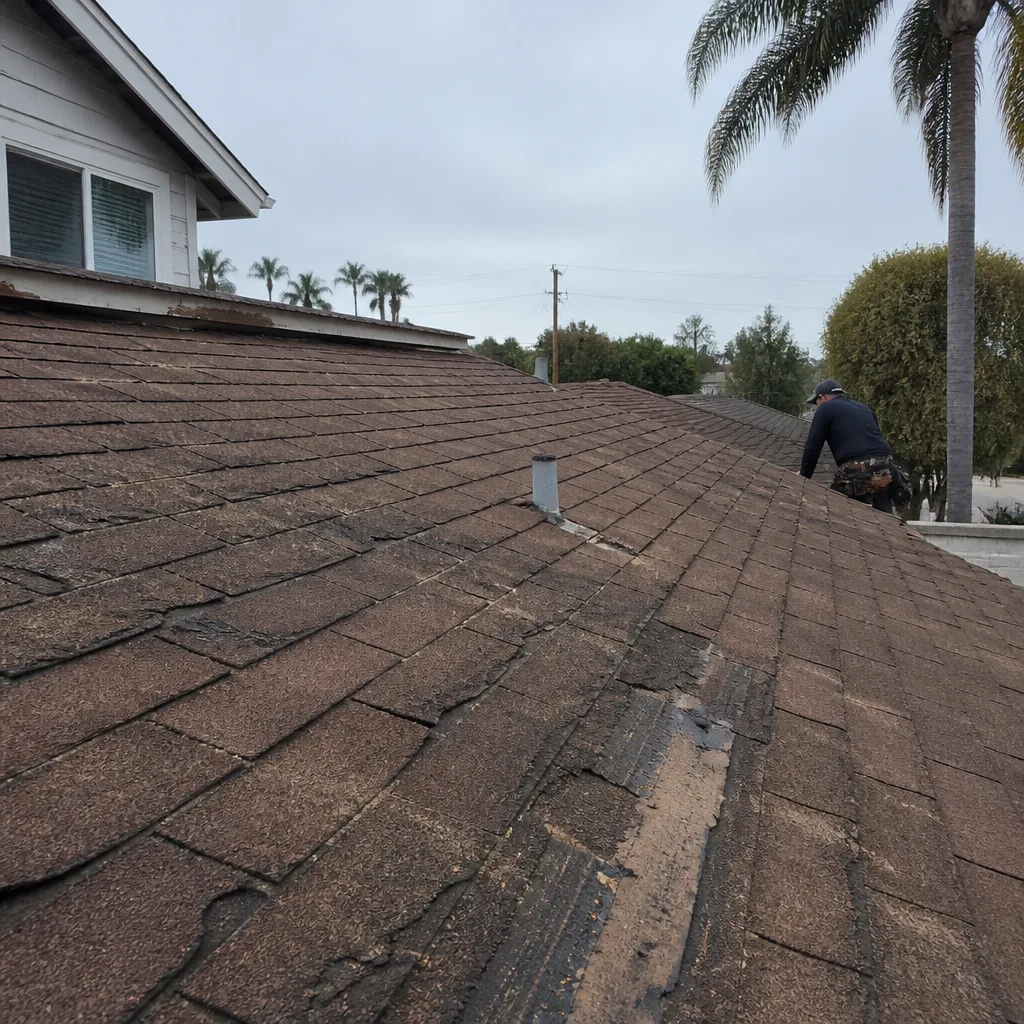 Before
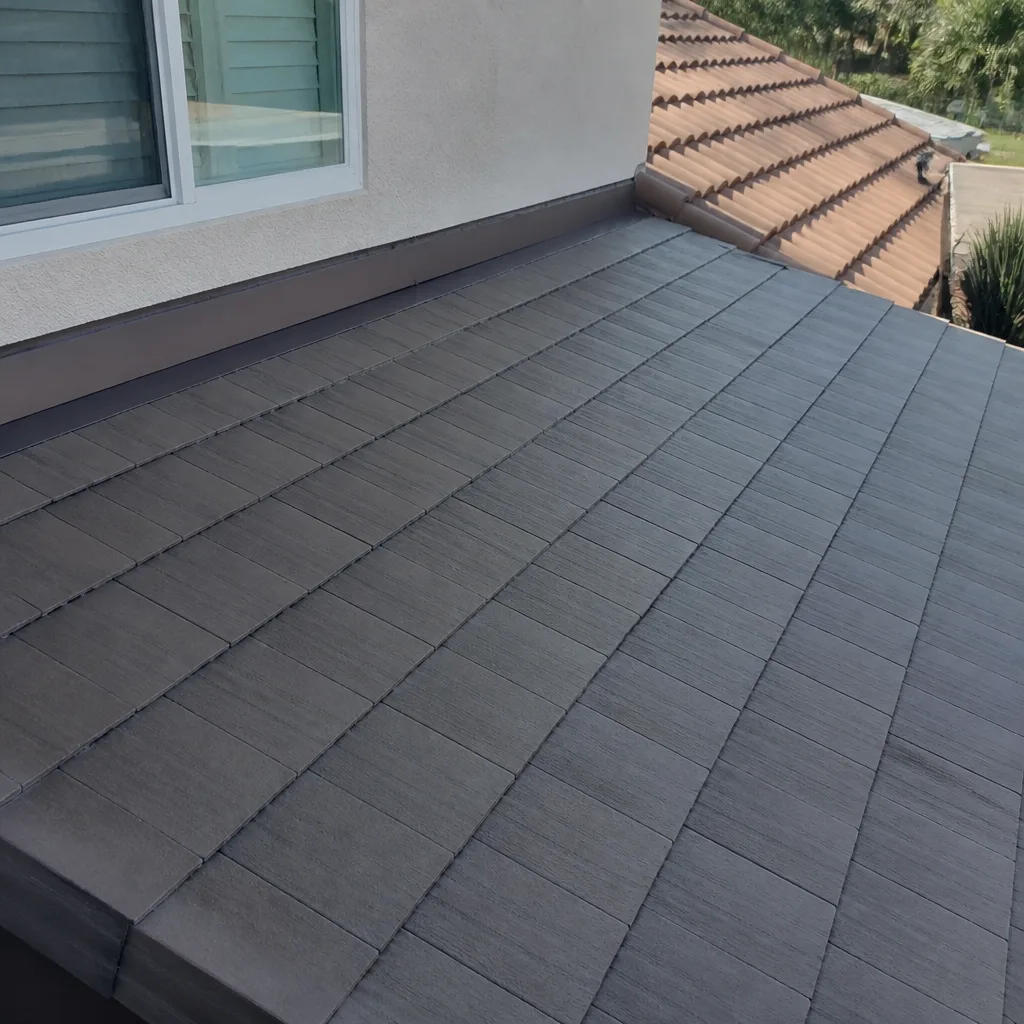 After
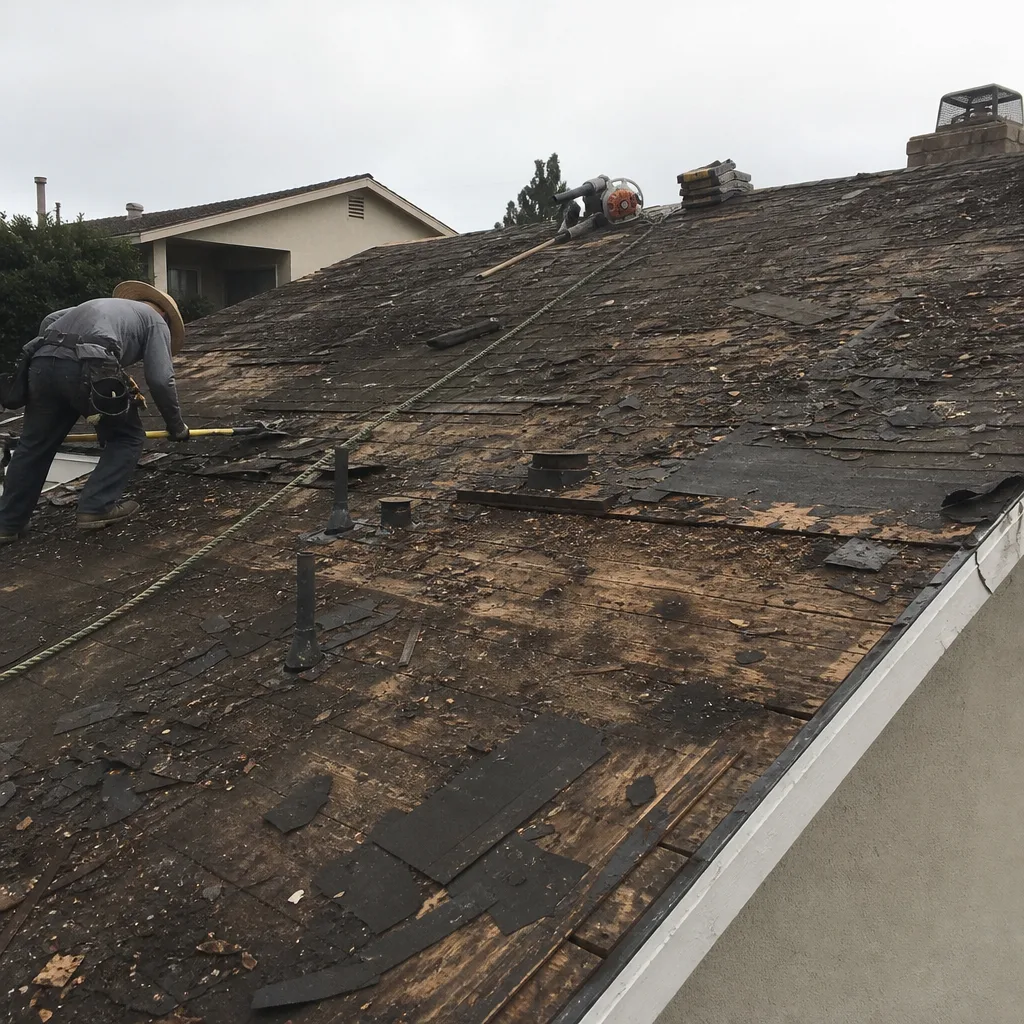 Before
 After
 Before
 After