
Last updated October 30, 2026
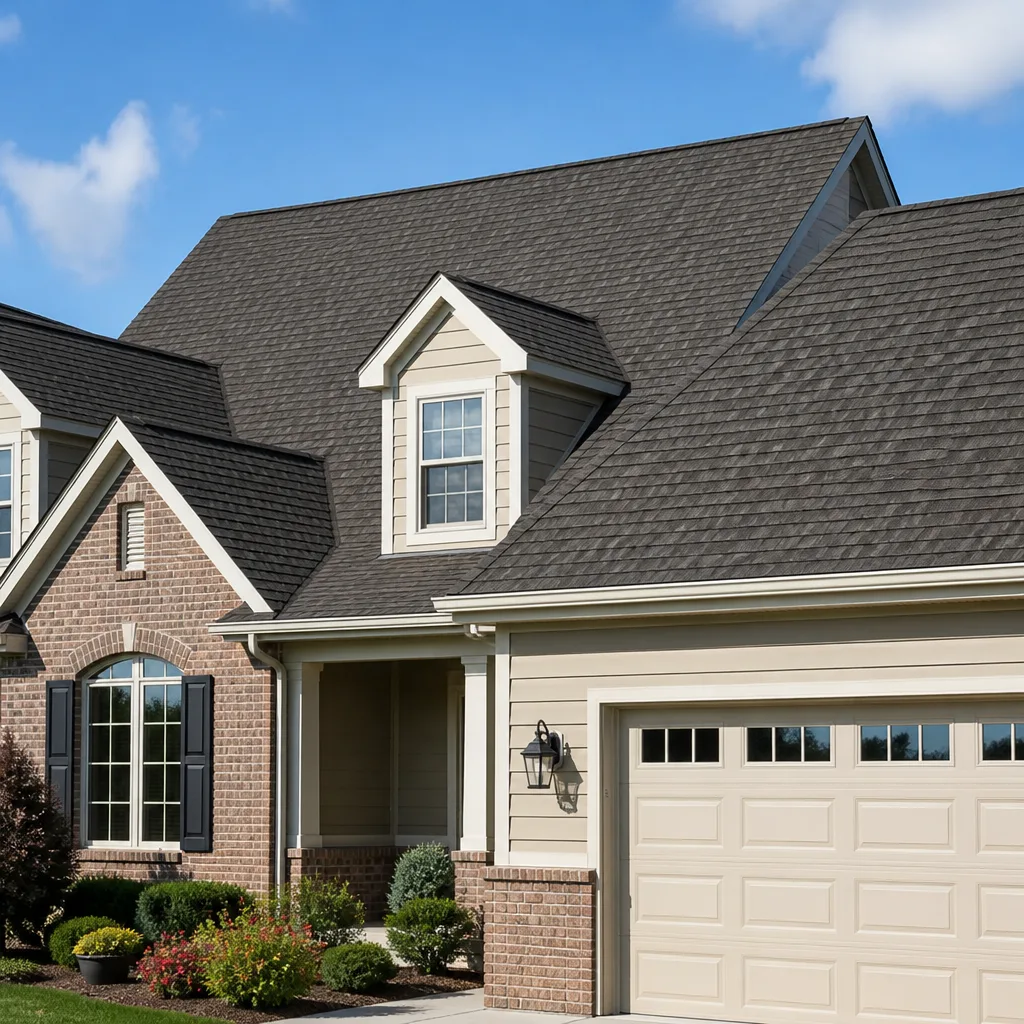 Architectural shingles
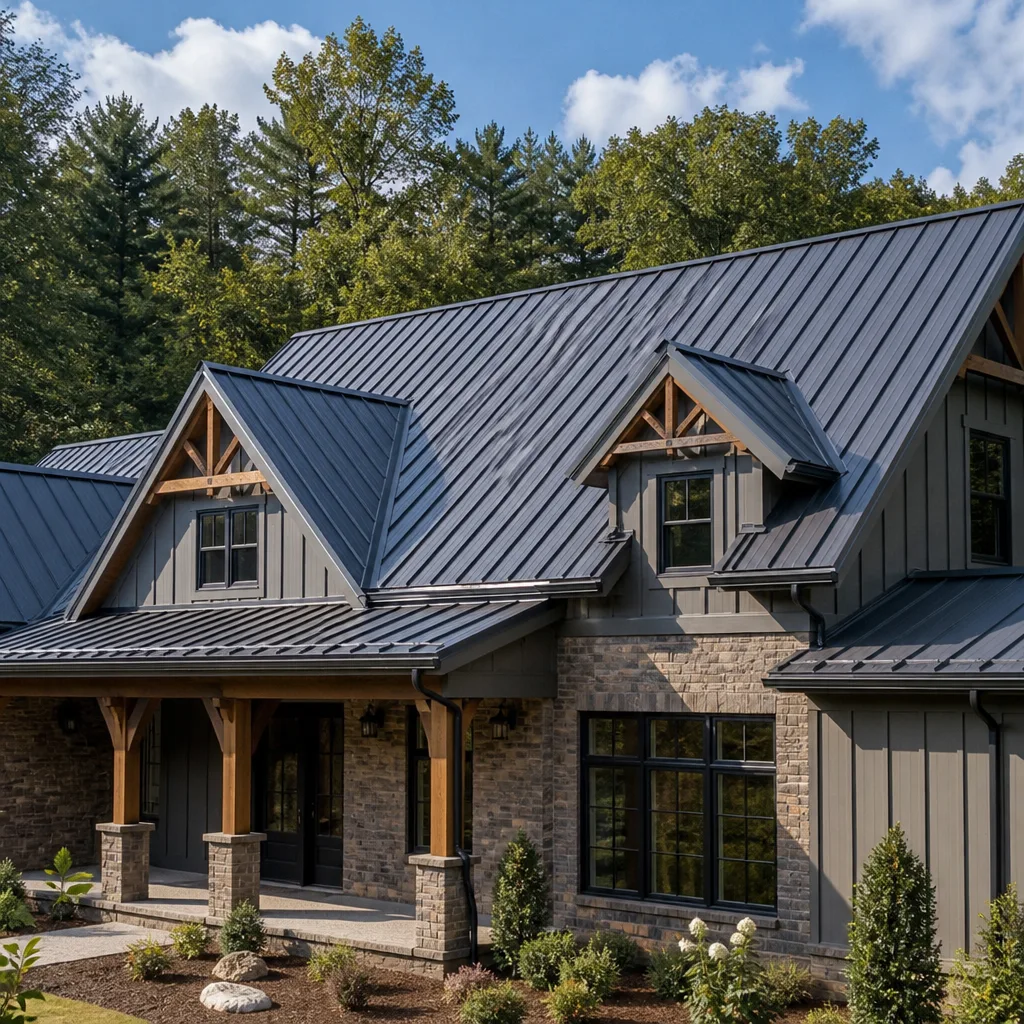 Metal roofing
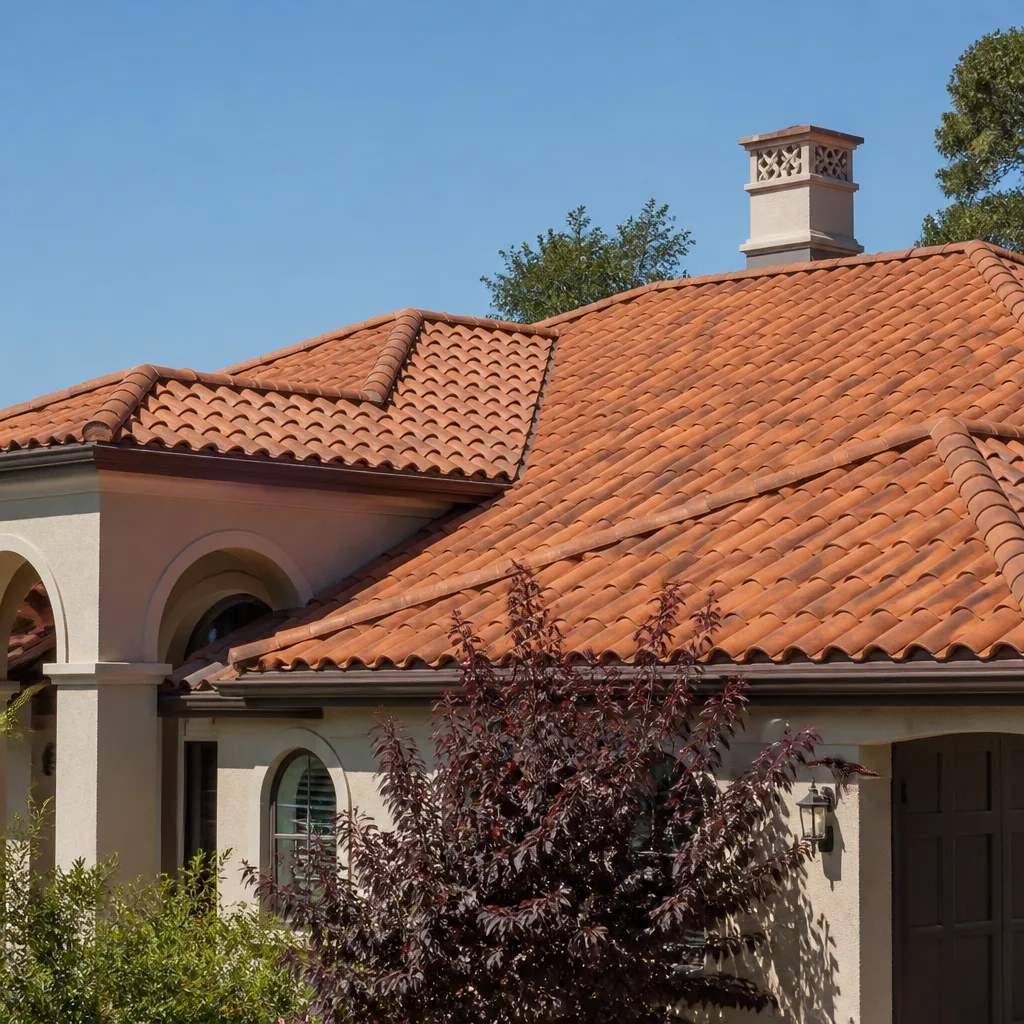 Tile roofing
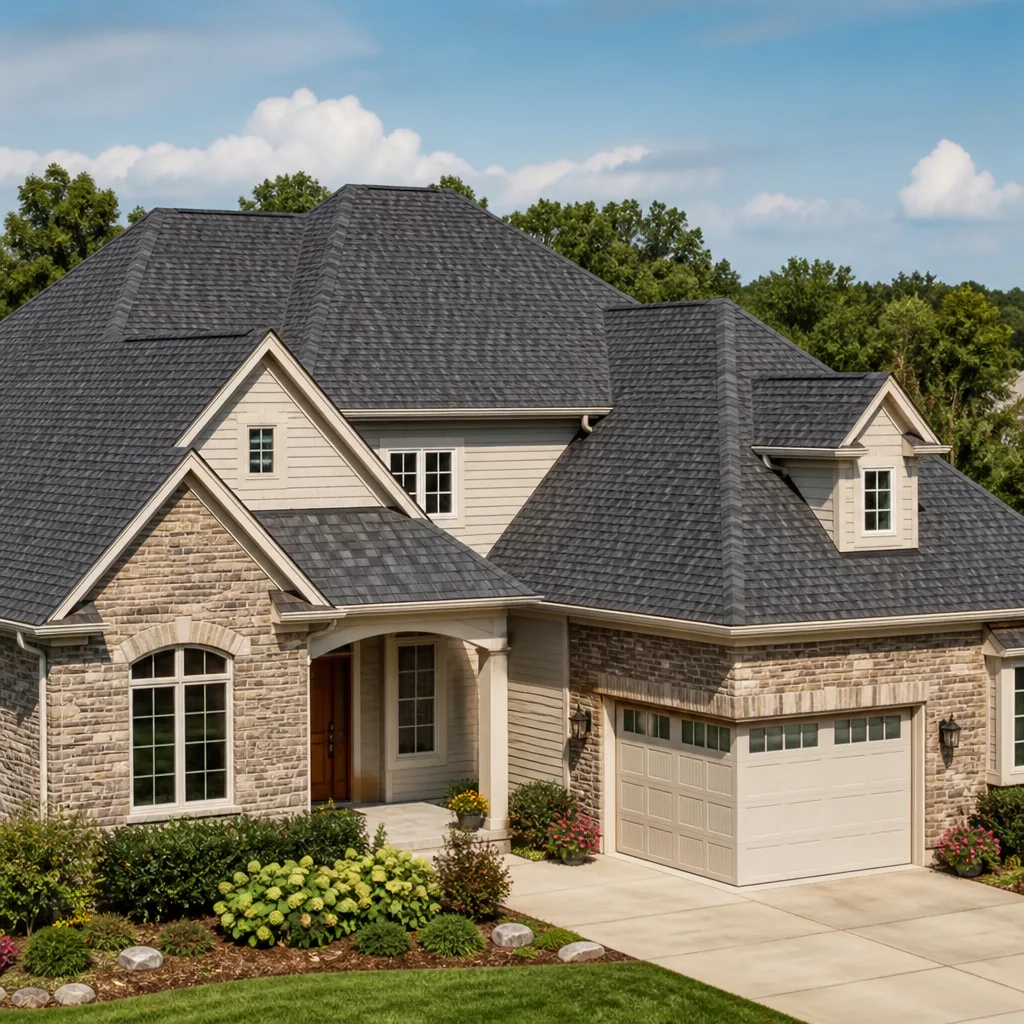 GAF
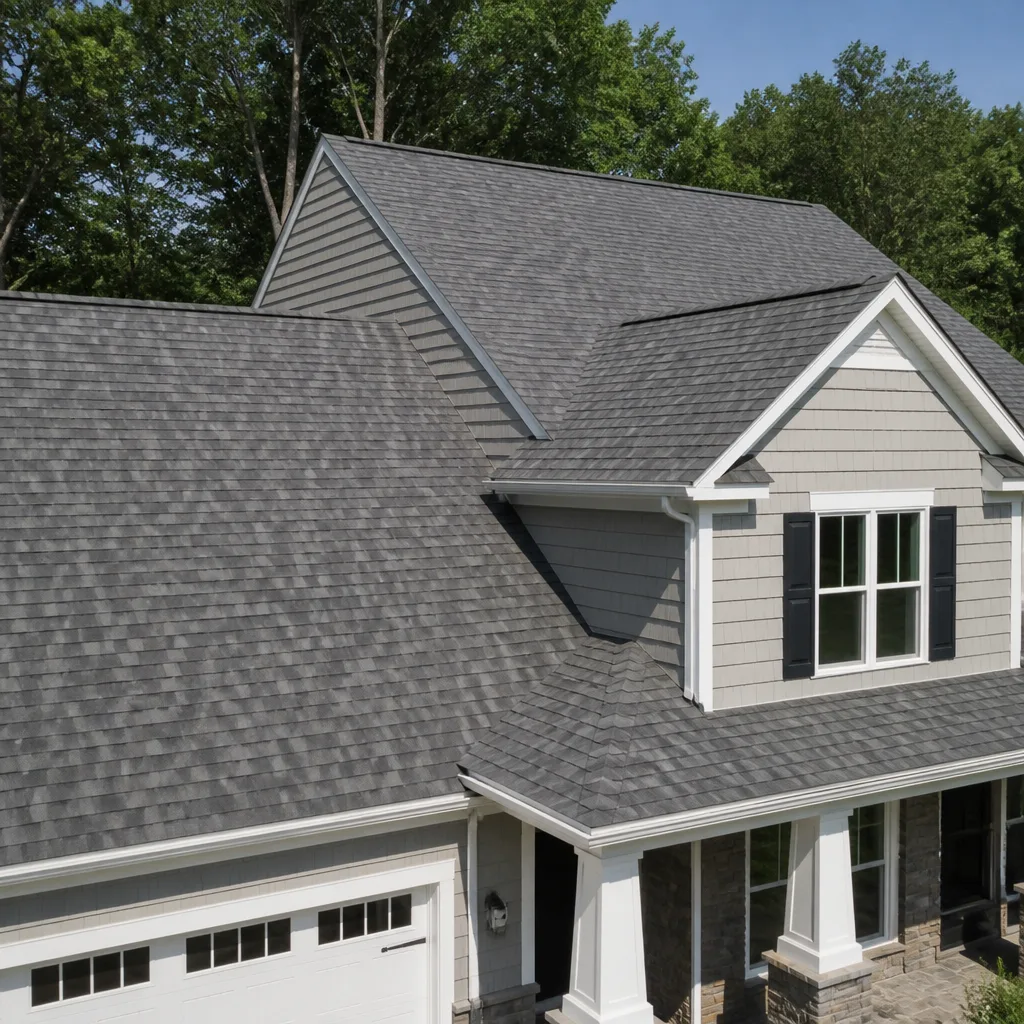 Owens Corning
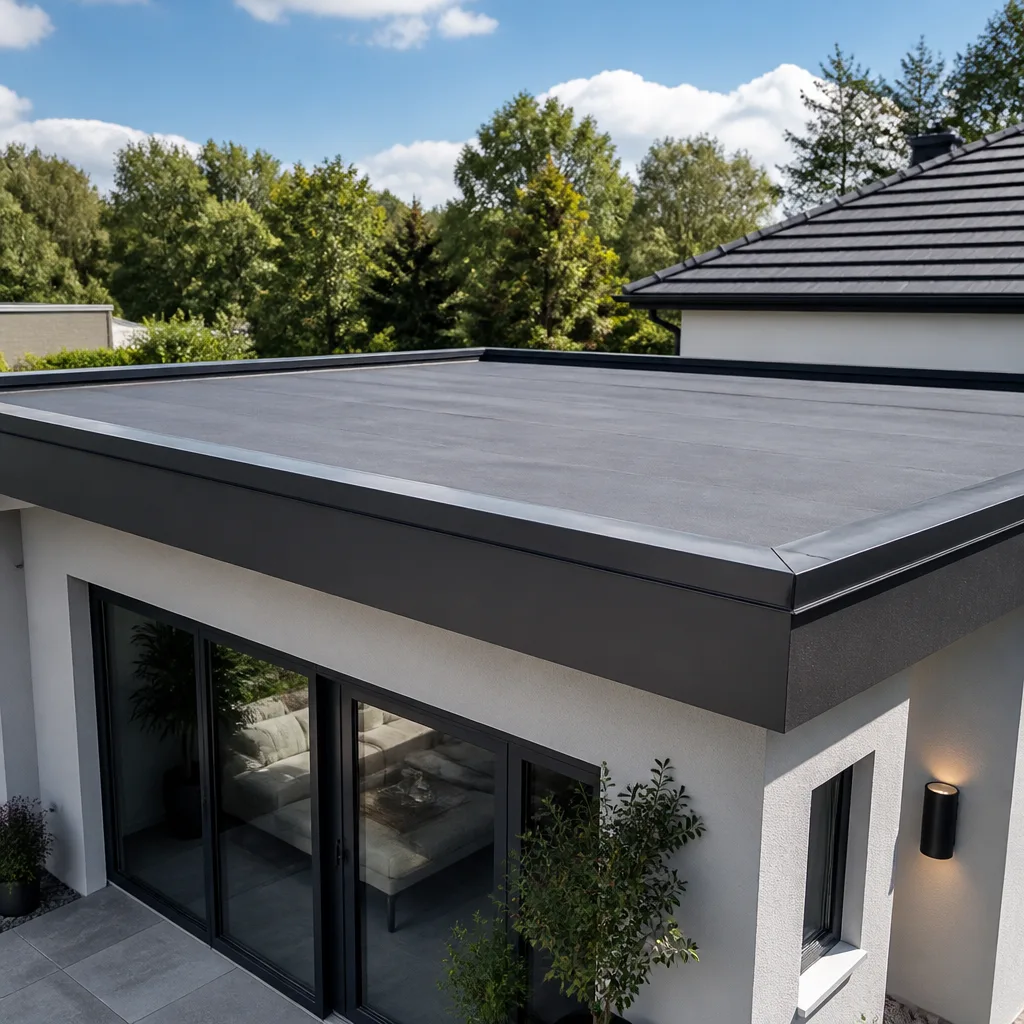 Flat & low-slope
Free roof inspection with deck photos before we talk money - GAF and Owens Corning certified installation
The Complete Roof Repair Guide for Westminster Homeowners
Most Westminster roofs that fail before 15 years weren’t installed wrong. They were repaired wrong the first time, with materials rated for a different climate. A patch job done with inland-grade adhesive will hold fine in Riverside. It will peel apart in Westminster after two seasons of marine layer moisture followed by 90-degree UV. This guide maps the specific failure patterns we see across Westminster’s roofscape, then walks you through which repairs actually stabilize a roof, which ones extend its rated lifespan, and when the smarter financial move is a partial or full replacement. If you’re researching roof repair in Westminster CA, this is the full picture.
Quick Answer
Roof repair in Westminster typically costs between $350 and $1,800 depending on the failure type, with granule-loss stabilization and flashing replacement on the lower end and deck section replacement on the upper end. The right repair depends on three variables: deck condition, material age, and how far the visible failure has spread. In Westminster’s coastal-adjacent climate, the most common repair is not a leak patch but a UV-and-moisture cycling fix, usually requiring a peel-and-stick underlayment rated for marine exposure rather than a standard asphalt patch.
Styles & brands we work with
Table of Contents
- Why Westminster’s Climate Creates a Different Failure Pattern
- The Difference Between a Stabilizing Repair and a Lifespan-Extending Repair
- Santa Ana Wind Uplift and What It Does to Starter Strips and Hip Caps
- Which Repair Materials Are Over-Specified and Under-Specified for Westminster
- The Repair vs. Partial Replacement vs. Full Replacement Decision Matrix
- What a Proper Westminster Roof Inspection Actually Covers
- How Much Roof Repair Costs in Westminster
- Common Mistakes to Avoid
- When to Call a Professional
- Frequently Asked Questions
Why Westminster’s Climate Creates a Different Failure Pattern
Westminster sits close enough to the coast that marine layer settles overnight, lifting by mid-morning and exposing roofs to direct UV for six to eight hours. This is a unique combination. Inland cities get heat but less overnight moisture. True coastal cities get fog but less sustained UV. Westminster gets both, and that cycling is what destroys roofing materials.
The sequence we see repeatedly goes like this. Overnight, the marine layer condenses on the roof surface, particularly on north-facing slopes and areas shaded by trees or neighboring two-story homes. That moisture seeps into the granule layer of asphalt shingles and into the adhesive tabs. By 10 a.m., the sun burns through and the roof surface temperature climbs rapidly. The moisture expands. The adhesive softens. The granules, already loosened by expansion, release from the shingle surface. Over two or three years, the shingles on the affected slopes look bald, while shingles on other slopes still look normal.
This is why Westminster homeowners often see granule loss on only one side of their roof. That’s not a manufacturing defect. It’s a climate exposure pattern.
The repair implication matters. A roof with granule loss on one slope doesn’t need a full replacement if the deck underneath is still sound. It needs a slope-specific response. Patching individual bald shingles with sealant won’t work, because the surrounding shingles are losing their granules too, just more slowly. The right fix on a slope like this is usually a peel-and-stick underlayment over the entire affected plane, followed by new shingles on that plane only. That’s a repair sequence that addresses the moisture cycling cause, not just the visible granule symptom.
This is also the pattern we reference when doing a Roof Inspection in Westminster. The inspection report should tell you which slopes are failing and why, not just flag that the roof looks worn.
The Difference Between a Stabilizing Repair and a Lifespan-Extending Repair
Almost no one talks about this, and it’s the single most important concept in roof repair. There are two categories of repair, and they solve different problems.
A stabilizing repair stops active deterioration. It prevents water intrusion, seals open gaps, reattaches loose material. It does not add meaningful years to the roof’s life. It simply keeps the roof from getting worse right now. A stabilizing repair is appropriate when the failure is localized, the deck is sound, and the remaining shingles still have enough granule coverage and adhesive integrity to keep doing their job. A homeowner planning to sell in two to three years or someone with a tight budget and no active leaks is a good candidate for a stabilizing repair.
A lifespan-extending repair resets a section of the roof to a younger condition. This means tearing off the shingles on an entire slope down to the deck, inspecting the deck, replacing any soft or delaminated plywood or OSB, installing new underlayment appropriate for Westminster conditions, and then installing new shingles that match or complement the existing roof. This extends the serviceable life of that plane by 10 to 15 years. It’s more expensive than a patch, but it’s the right call when the slope is showing broad granule loss, when water has been getting under shingles for years unnoticed, or when the deck has started to soften.
We use these two categories with every homeowner because the distinction changes the conversation. If a roof has five years of functional life left and one leak around a pipe boot, you want a stabilizing repair. If the same roof has a south-facing slope with half its granules gone, you want a lifespan-extending repair on that slope, because patching it buys you almost nothing.
That’s the “Repair when it makes sense. Replace when it doesn’t.” approach, and it’s how we frame every recommendation. It’s also why we work with seven manufacturer brands, including GAF, CertainTeed, and Owens Corning. The right material for a lifespan-extending repair on a Westminster south slope is different from the right material for a stabilizing patch on a north slope. When a roofer only stocks one brand, every recommendation bends toward what they have on the truck. We don’t work that way.
Santa Ana Wind Uplift and What It Does to Starter Strips and Hip Caps
Most roof repair conversations in Westminster center on water intrusion, and that’s reasonable. But the failure that causes the most hidden damage in our market is wind uplift during Santa Ana events, which hit Orange County between September and January.
Santa Ana winds in Westminster typically come from the northeast, which is unusual for a coastal region where prevailing winds come from the southwest off the ocean. That means the roof slopes that normally get pounded by weather are sheltered during a Santa Ana event, and the slopes that normally stay dry and protected suddenly get high-velocity wind slamming into them from an unexpected direction.
The vulnerable points are predictable. Starter strips along eaves and rakes take the first hit, because wind peels from the edge. If the starter strip is loose or missing, the wind gets a fingerhold and starts lifting the first course of shingles. Hip caps fail next, because they sit on the roof’s angular transitions, catching wind from both sides. Any section of roof with a wide overhang or an exposed footprint, particularly in neighborhoods where homes are spaced apart and there’s no windbreak from adjacent structures, will see more uplift.
Once the wind lifts a starter strip or hip cap, it breaks the seal. The shingles may settle back down after the wind event, but the adhesive bond is gone. The next wind event peels more. Within a season, you have loose shingles slapping against the deck, cracked shingles, and eventual water intrusion. The leak often appears in a different place than the wind damage, because water travels before it drips.
What to check after a Santa Ana event in Westminster. First, walk the perimeter of the house. Look for shingle tabs sticking up or missing along the edges. Second, check the hip lines and ridge. Look for lifted or cracked cap shingles. Third, check the ground along the fence line. Granules and small shingle fragments on the ground after a wind event mean something sifted off the roof. None of this requires getting on a ladder. If any of these signs are present, get an inspection before the next rain.
Which Repair Materials Are Over-Specified and Under-Specified for Westminster
Material selection is where even experienced roofers in this market go wrong, because most repair material guidance is written for generic Southern California, not for Westminster’s specific climate band. Here’s where we see the over- and under-specification.
Class 4 impact shingles are over-specified for Westminster. They’re designed for hail impact, and Westminster gets almost no hail. The rating is real and useful in hail-prone markets like the Midwest or Texas. In Westminster, paying a premium for impact-resistance you’ll never use is waste. The better investment is a shingle with strong granule adhesion and a high-quality adhesive strip, because those two properties resist the UV-moisture cycling that actually fails Westminster roofs.
Modified bitumen patches are over-specified for small, localized repairs on pitched shingle roofs. Modified bitumen is a torch- or self-adhered asphalt membrane, excellent for flat and low-slope applications, but it’s overkill on a 6:12 pitched shingle roof where the failure is granular or adhesive. A standard shingle replacement with proper underlayment is more appropriate and integrates better with the surrounding material.
Peel-and-stick underlayment is under-specified, and this is the one that matters most. In Westminster’s marine layer environment, the underlayment is the last line of defense before water hits the deck. If the shingles lose their seal from moisture cycling, the underlayment must hold. Standard 15-pound felt absorbs moisture and degrades quickly in these conditions. Peel-and-stick underlayment, the type with a polymer-modified bitumen backing, adheres directly to the deck and seals around fasteners. It’s the difference between a roof that stays dry when the shingles start failing and a roof that rots the deck without showing leaks. Any lifespan-extending repair in Westminster should include a peel-and-stick underlayment on the affected slope. Stabilizing repairs around pipe boots and flashings should also use peel-and-stick at the penetration point, even if the rest of the roof has felt.
For shingle selection, we look at granule adhesion ratings and adhesive seal strength more than any other factor. GAF’s Timberline line, CertainTeed’s Landmark series, and Owens Corning’s Duration all perform well in Westminster conditions, but the right choice depends on the roof pitch, the exposure, and the homeowner’s timeline. That’s why we carry all three, plus IKO, rather than locking a homeowner into a single brand.
The Repair vs. Partial Replacement vs. Full Replacement Decision Matrix
Here’s the decision framework we use on every Westminster roof assessment. It’s based on three variables: deck condition, current material age, and failure spread.
- Deck condition. If the deck is solid, dry, and free of delamination, any of the three options is viable. If the deck is soft, warped, or delaminating in sections, you’re no longer in repair territory. The deck section must be replaced, which pushes you toward a partial or full replacement.
- Current material age. If the shingles are under 10 years old and the failure is localized, a repair is the right call. If they’re 10 to 15 years old and failing broadly on one or two slopes, a partial replacement of those slopes makes sense. If they’re over 15 years old and failing on multiple slopes, a full replacement is typically the better financial decision.
- Failure spread. If granule loss is confined to one slope, that’s a partial-replacement candidate. If granule loss is visible on all sun-exposed slopes, the roof has hit the end of its functional life across the board. Repairing slope by slope will cost more per year of added life than replacing the whole roof once.
The matrix in plain language:
- Localized failure, sound deck, shingles under 10 years old: Stabilizing repair. Fix the flashing, pipe boot, or small shingle section. Expect to revisit in 3 to 5 years for a broader assessment.
- Slope-wide failure, sound deck, shingles 10 to 15 years old: Lifespan-extending repair on the affected slope with peel-and-stick underlayment. This adds 10+ years to that plane.
- Slope-wide failure, soft deck sections, shingles 10 to 15 years old: Partial replacement including deck section replacement. The deck can’t be repaired; it gets replaced, then the slope is re-roofed.
- Multi-slope failure, shingles over 15 years old: Full Roof Replacement in Westminster. The deck is usually still sound at this age, so replacement cost is lower per year of added life than sequential repairs.
This framework is why we offer inspection as a standalone service with no purchase required. You can’t make this decision from a sales pitch. You make it from a deck assessment, a granule check, and a moisture reading. Start with an inspection, then decide.
What a Proper Westminster Roof Inspection Actually Covers
A roof inspection that matters in Westminster is not a drive-by photo session. It’s a physical examination of the roof system, and it has to be done by someone who knows this specific climate.
A proper inspection covers five areas:
- Granule condition by slope. The inspector should walk the roof and assess granule retention on each slope separately. South and west-facing slopes in Westminster lose granules faster than north and east slopes. If the inspector doesn’t differentiate slopes, the report is incomplete.
- Deck condition at the eaves and at any past leak site. The inspector should test for softness, warping, and delamination, especially around penetrations and at the drip edge where water gets trapped.
- Flashing integrity at every penetration. Pipe boots, chimney flashing, skylight curbs, and valley metal all have different failure ages. Boots fail first, usually in 8 to 12 years. The inspector should check each penetration individually.
- Wind damage along starter strips, rakes, and hip caps. After Santa Ana season, this is where damage shows up. Lifting, cracking, missing cap shingles, and seal failure on the first course are all red flags.
- Ventilation and attic moisture. Westminster’s marine layer means moisture gets into attics more readily here than in inland homes. A proper inspection includes an attic check for condensation, mold, and inadequate airflow.
A real Roof Inspection in Westminster also tells you what’s fine. Not every granule-cupped shingle is a problem. Not every crack is active. The inspection should give you a prioritized list: what needs attention now, what needs watching, what’s in good shape. If the inspection only tells you what’s wrong and always ends with a replacement pitch, that’s sales, not diagnosis.
How Much Roof Repair Costs in Westminster
Repair pricing in Westminster reflects the specific failure pattern, not a flat hourly rate. Here are the ranges we quote for common repair types in this market:
- Pipe boot replacement: $350 to $550. This includes removing the old boot, sealing the penetration with peel-and-stick material, installing a new boot, and re-setting the surrounding shingles. It’s the most common leak source in Westminster homes built between 1990 and 2010.
- Localized shingle replacement, 10 to 20 shingles: $450 to $800. This includes matching shingles where possible, proper fastening, and sealant application. On older roofs, color matching may be approximate.
- Valley flashing repair or replacement: $600 to $1,200. Valley metal in coastal-adjacent markets corrodes faster than inland due to salt air and moisture cycling.
- Slope-wide re-roof with peel-and-stick underlayment: $1,800 to $4,500 depending on slope size and accessibility. This is a lifespan-extending repair, not a patch. It resets one entire roof plane.
- Deck section replacement: $400 to $900 per 4×8 sheet replaced. This cost applies when water intrusion has damaged the plywood or OSB and is usually layered on top of a slope repair or partial replacement.
These are free-estimate ranges for Westminster, and the final number depends on roof pitch, deck condition, material choice, and access. The one variable that consistently changes the final cost is what the deck looks like once the shingles come off. A roof that looked like a simple patch job can become a deck replacement once the roofer exposes what’s underneath. That’s another reason the inspection matters. The more accurate the pre-repair assessment, the fewer surprises once work begins.
For an exact quote on your specific roof, call (855) 382-0485. Estimates in Westminster are free.
Common Mistakes to Avoid
- Using generic sealant on a granule-loss slope. Sealant stops water at one point. It does nothing for a slope that’s losing granules across hundreds of square feet. You’ll be back on the ladder in six months, and the roof will be worse.
- Failing to match underlayment to Westminster conditions. Using felt underlayment on a repair in this climate is a short-term fix. It absorbs marine layer moisture and degrades faster than peel-and-stick. The choice should not be about saving $200 on a repair that needs to last a decade.
- Ignoring the attic during a leak repair. If water has been getting in, the attic needs a check. Moisture trapped in insulation or on the deck underside will not dry on its own in Westminster’s humidity profile. Fix the roof, but also fix the attic if it’s damp.
- Replacing a roof because one slope is fading. This is the most expensive mistake. A south-facing slope in Westminster will fade years before the north slope. That’s normal climate behavior, not full-roof failure. A slope-specific repair is often the right call.
- Waiting too long after Santa Ana damage. A lifted starter strip is a minor fix in October. By February, the same roof can have water intrusion, deck damage, and a repair bill triple the October price. Wind damage compounds fast.
- Choosing a repair material based on what’s on the truck. When a roofer stocks one brand, the recommendation tends to match the inventory. That’s backwards. The job should match the material, not the material to the job. We carry GAF, CertainTeed, Owens Corning, IKO, and more so that the recommendation follows the roof, not the warehouse.
When to Call a Professional
There are thresholds where a homeowner should stop assessing and start calling. If you see water staining on the ceiling, call immediately; water has already breached the roof system and is working through insulation and drywall. If you see granule loss across an entire sun-exposed slope, call; that’s a slope-wide failure pattern, not a spot repair. If you see lifted shingles after a wind event, call before the next rain. If your roof is over 15 years old in Westminster and you’ve never had a professional inspection, call; the marine layer cycle has been working on it since day one. Any of these conditions warrants a trained eye on the roof. Select Roof Repair offers free estimates in Westminster. Call (855) 382-0485.
Frequently Asked Questions
How much does roof repair cost in Westminster CA?
Most roof repairs in Westminster cost between $350 and $1,800, with pipe boot replacement at the lower end and slope-wide re-roofing at the upper end. The final price depends on deck condition, material age, and how far the failure has spread across the roof plane. Call (855) 382-0485 for a free estimate.
What’s the most common roof problem in Westminster?
The most common roof problem in Westminster is the combination of marine layer moisture and UV cycling that causes granule loss and adhesive failure, particularly on south and west-facing slopes. This shows up as bald spots on one side of the roof while the other side still looks intact. Call (855) 382-0485 to schedule a free inspection and see what’s affecting your roof.
Can you repair part of a roof instead of replacing the whole thing?
Yes. In Westminster, single-slope repairs are common and effective when the deck underneath is still sound. The affected slope gets peeled down to the deck, fitted with peel-and-stick underlayment, and re-roofed. This adds 10 to 15 years of life to that plane without replacing the whole roof. Call (855) 382-0485 for an assessment of whether a partial repair is right for your situation.
How long does a roof repair last in Westminster’s climate?
A lifespan-extending repair with proper underlayment and quality shingles typically lasts 10 to 15 years. A stabilizing repair, like a pipe boot replacement or small shingle patch, lasts 3 to 5 years and is meant to stop active deterioration, not add decades of life. The right approach depends on your roof’s current condition. Call (855) 382-0485 for a professional evaluation.
Do I need a full roof inspection before a repair?
In Westminster, it’s strongly recommended. Many repairs fail because the underlying cause was never identified. An inspection works to ensure the actual cause is addressed, so you don’t end up with a repeat leak. A proper inspection covers all slopes, the deck, flashings, penetration points, and attic moisture. You can schedule an inspection for free by calling (855) 382-0485.
Is roof repair worth it, or should I just replace the roof?
It depends on deck condition, material age, and failure spread. If the deck is sound and the failure is confined to one slope or one penetration, repair is usually the better financial call. If the roof is over 15 years old and failing on multiple slopes, replacement typically delivers more value per dollar. The honest answer comes from inspection data, not from a sales pitch. Select Roof Repair home offers standalone inspections in Westminster with no purchase required.
The Bottom Line
Westminster’s coastal-adjacent climate creates a specific failure pattern that generic roofing advice misses. Granule loss on sun-exposed slopes, adhesive failure from moisture cycling, and wind damage along starter strips and hip caps during Santa Ana season are the real enemies here. The repair that works is the one that addresses the cause, not the symptom. A stabilizing repair stops the bleeding. A lifespan-extending repair resets a slope to a younger condition. The decision between repair, partial replacement, and full replacement comes down to deck condition, shingle age, and failure spread. Get the full picture from a professional Roof Repair in Westminster assessment, and make the call from data, not pressure. Call (855) 382-0485 for a free estimate.
Written by the team at Select Roof Repair, serving Westminster since 2018.
See the difference
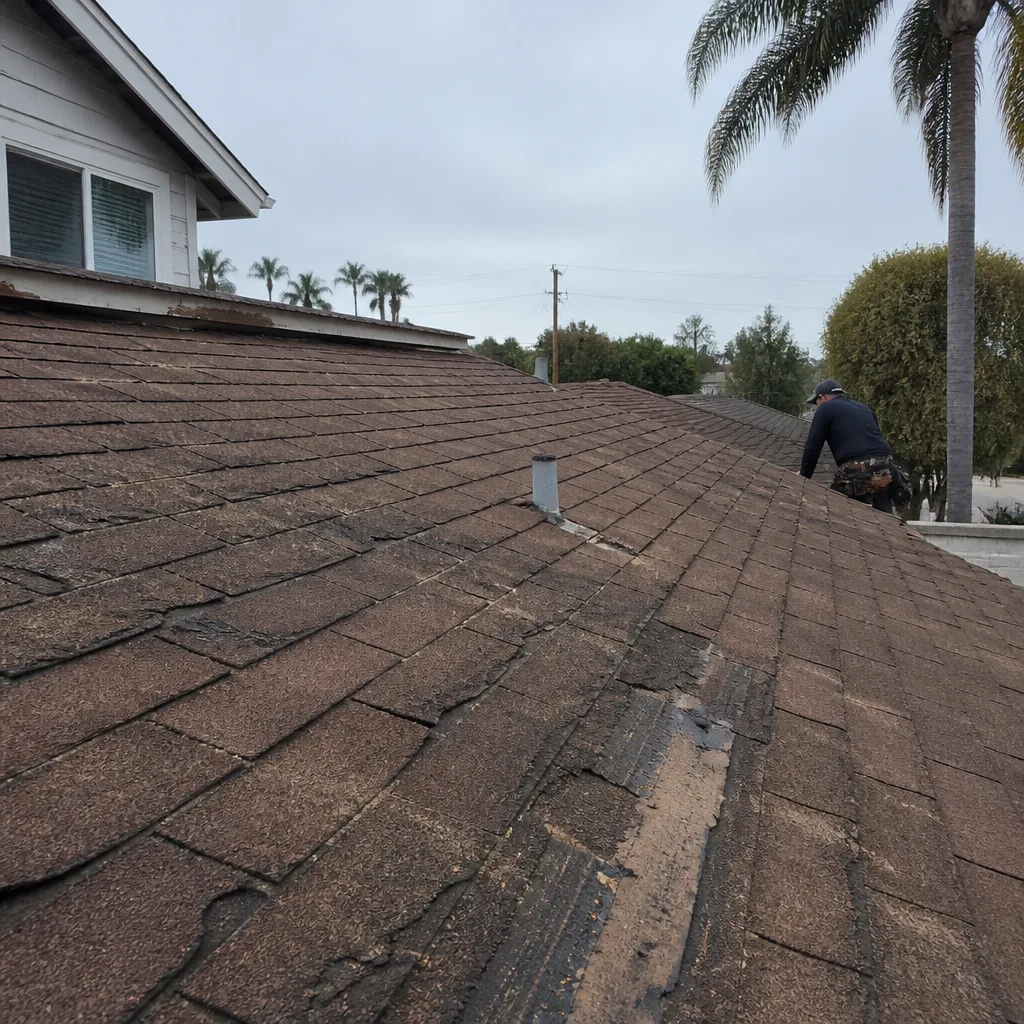 Before
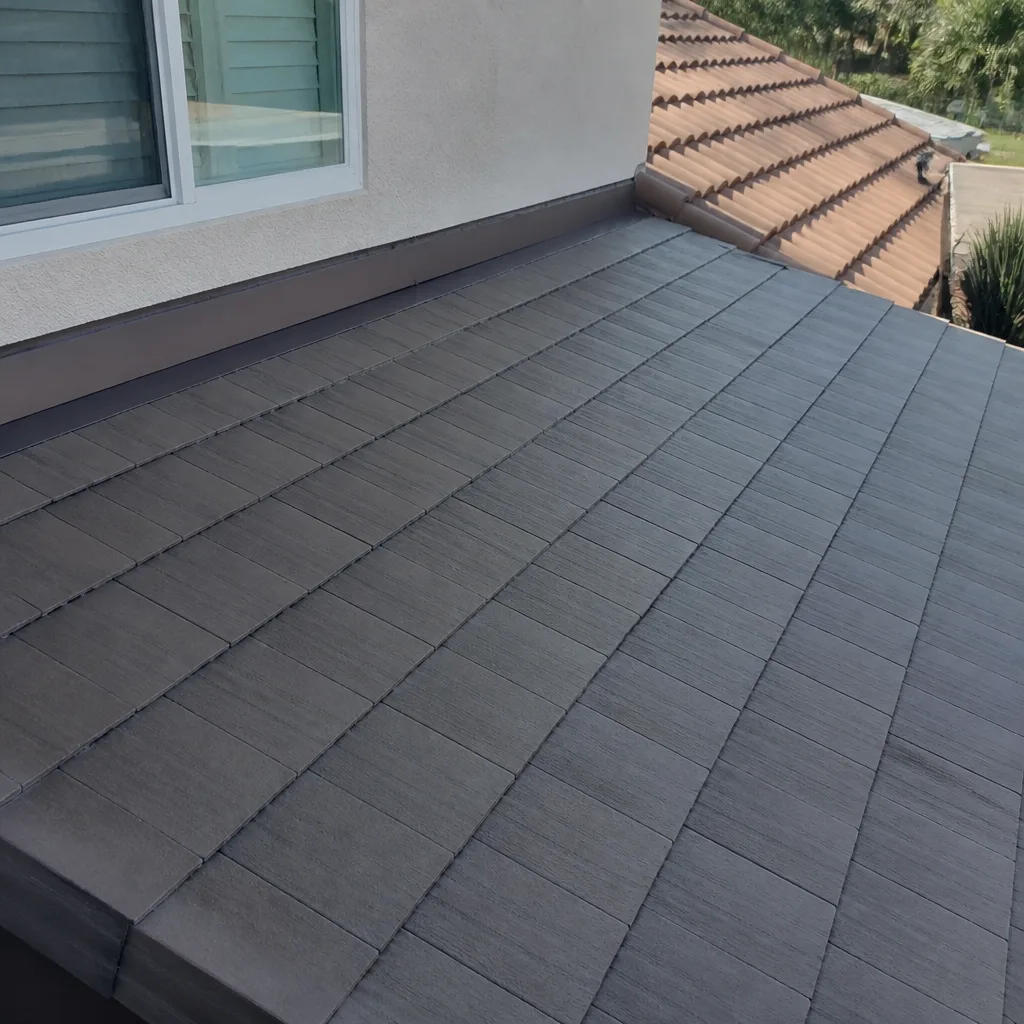 After
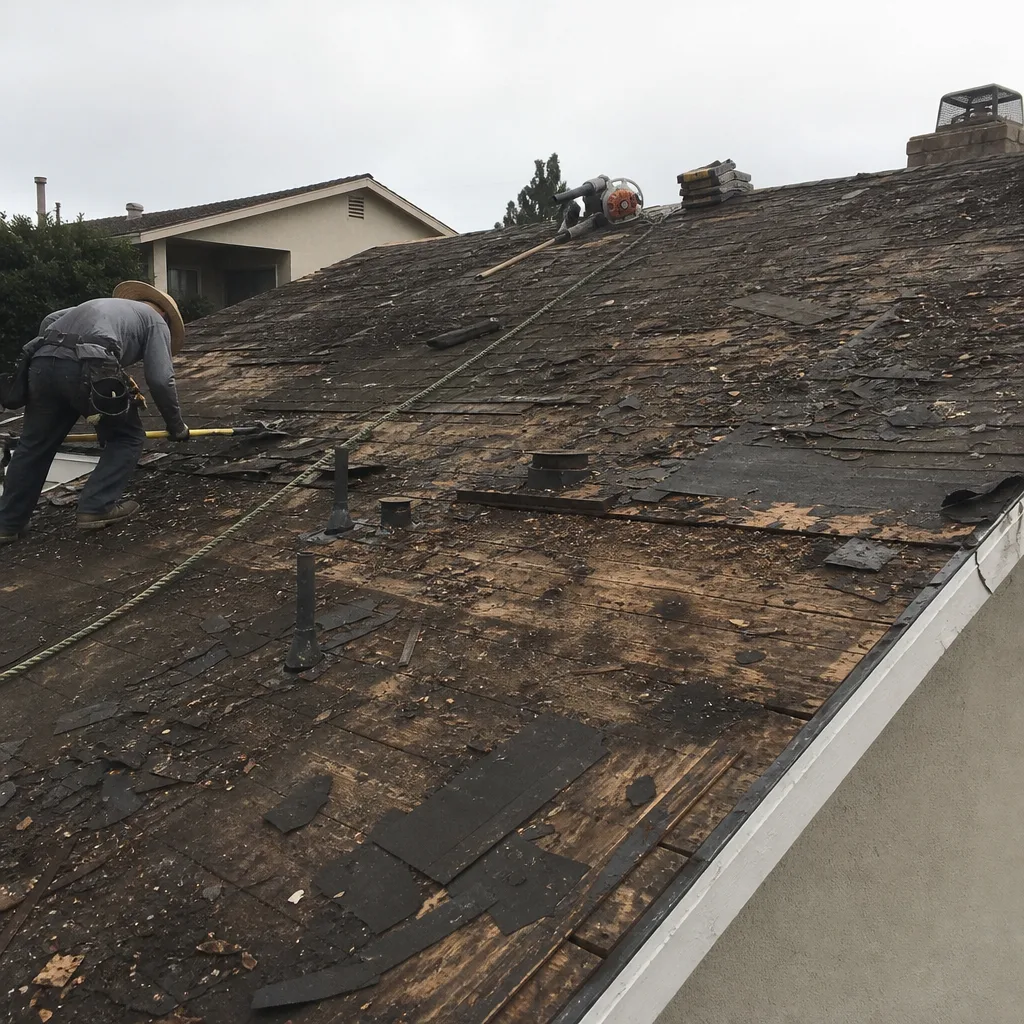 Before
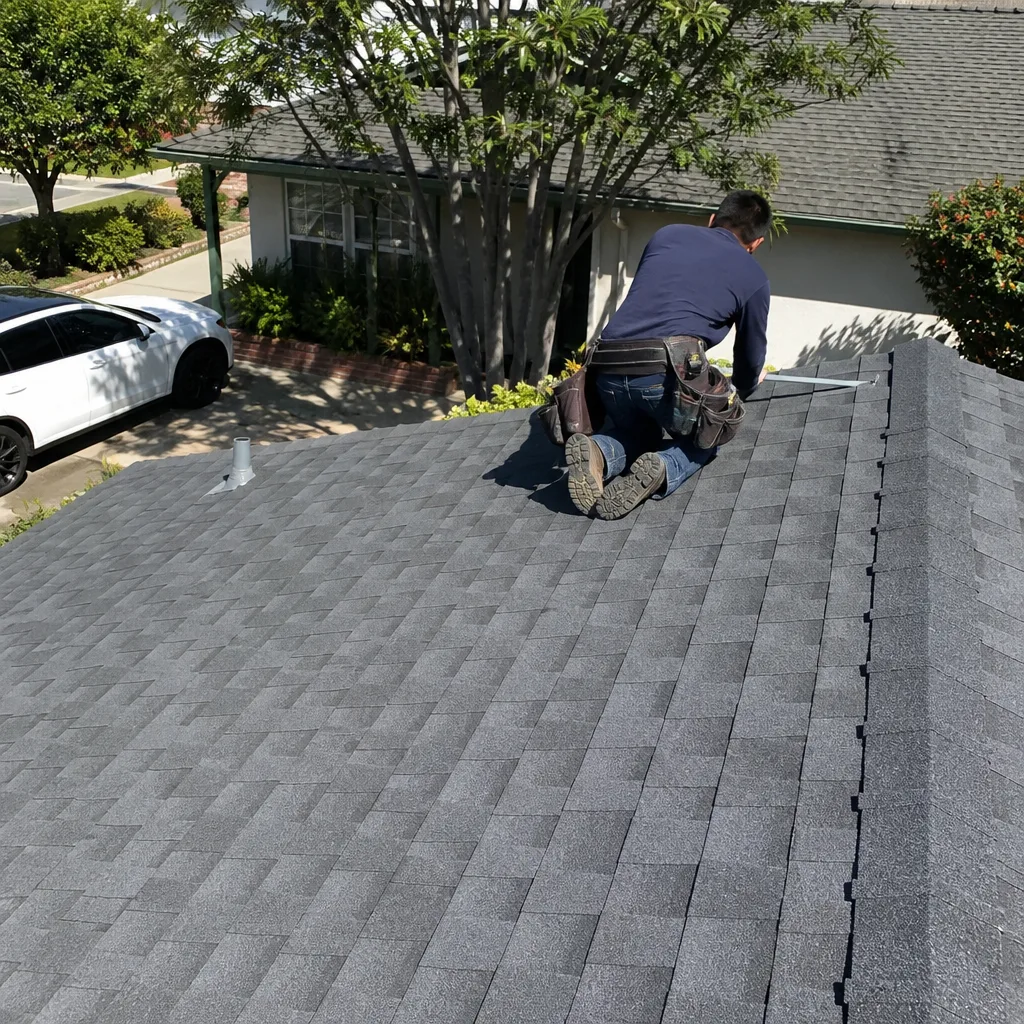 After
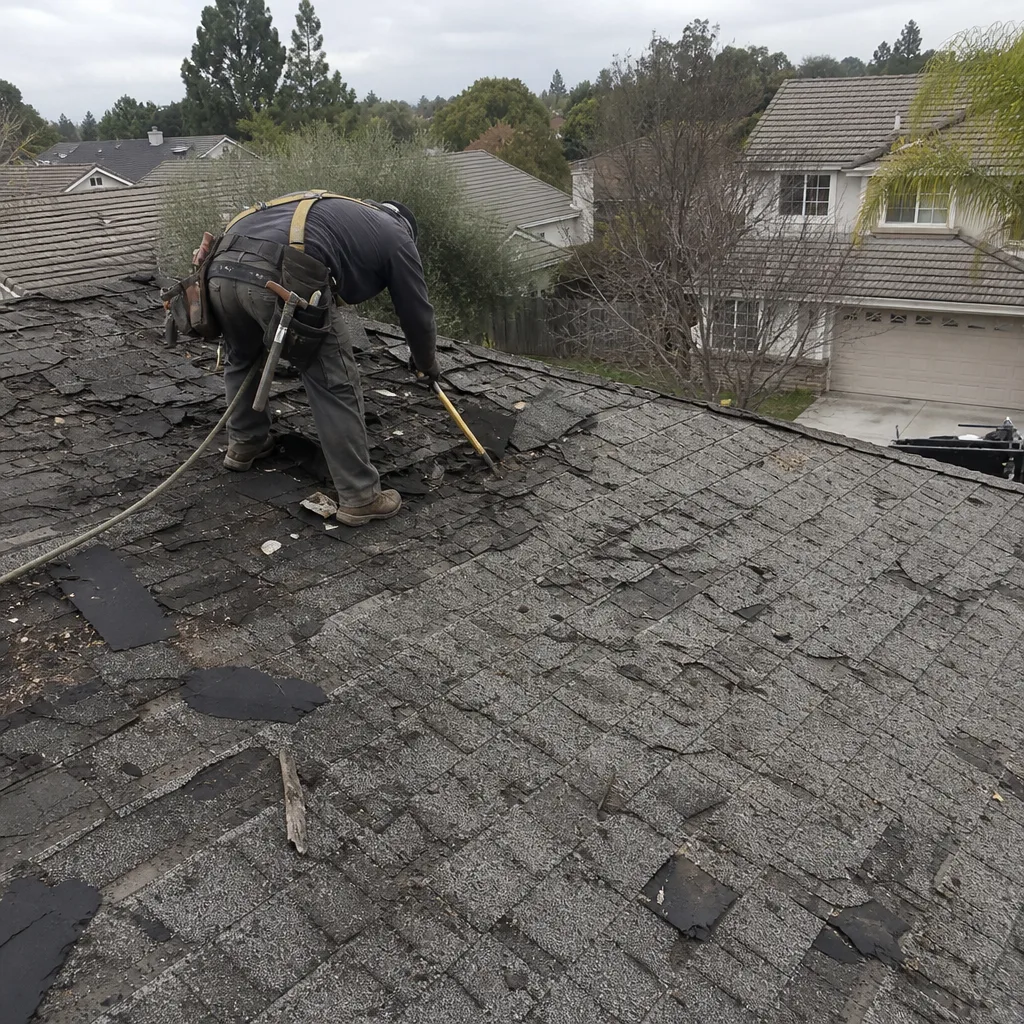 Before
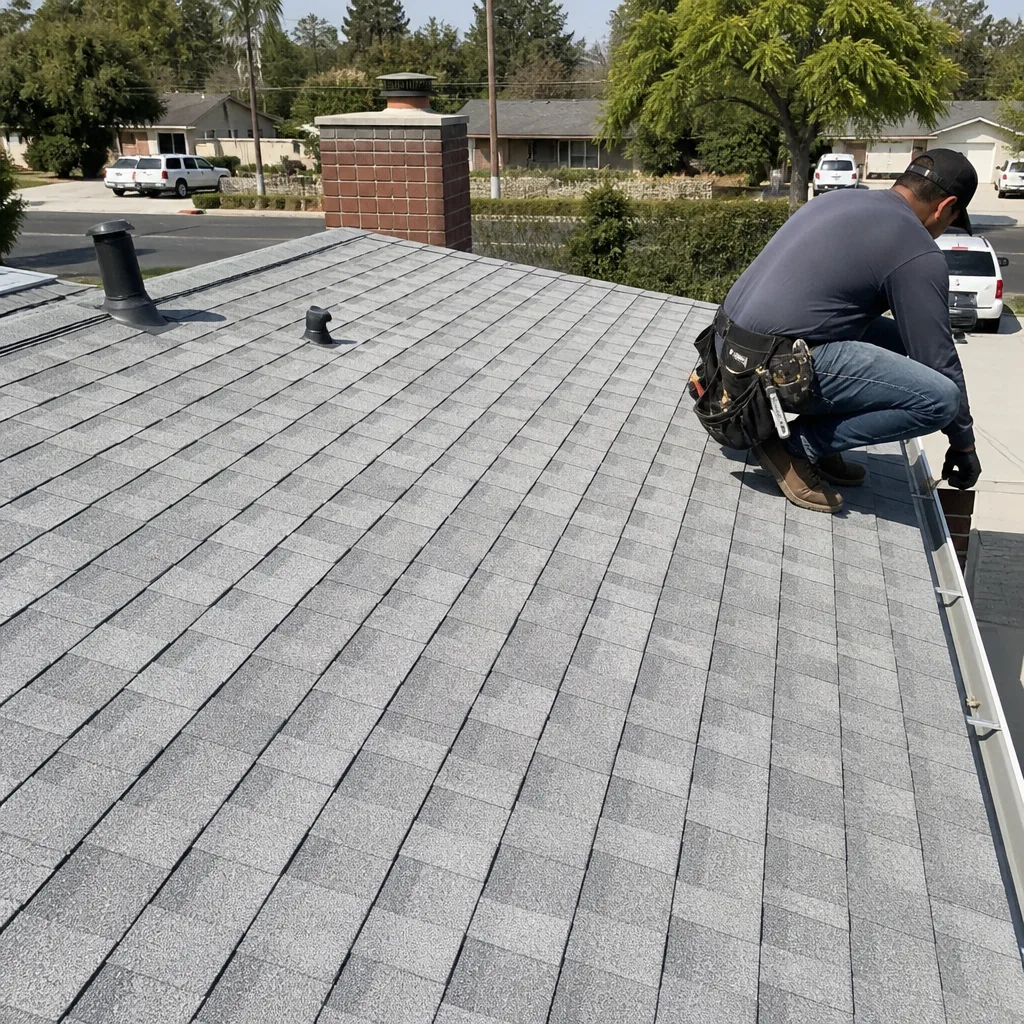 After