
Last updated October 30, 2026
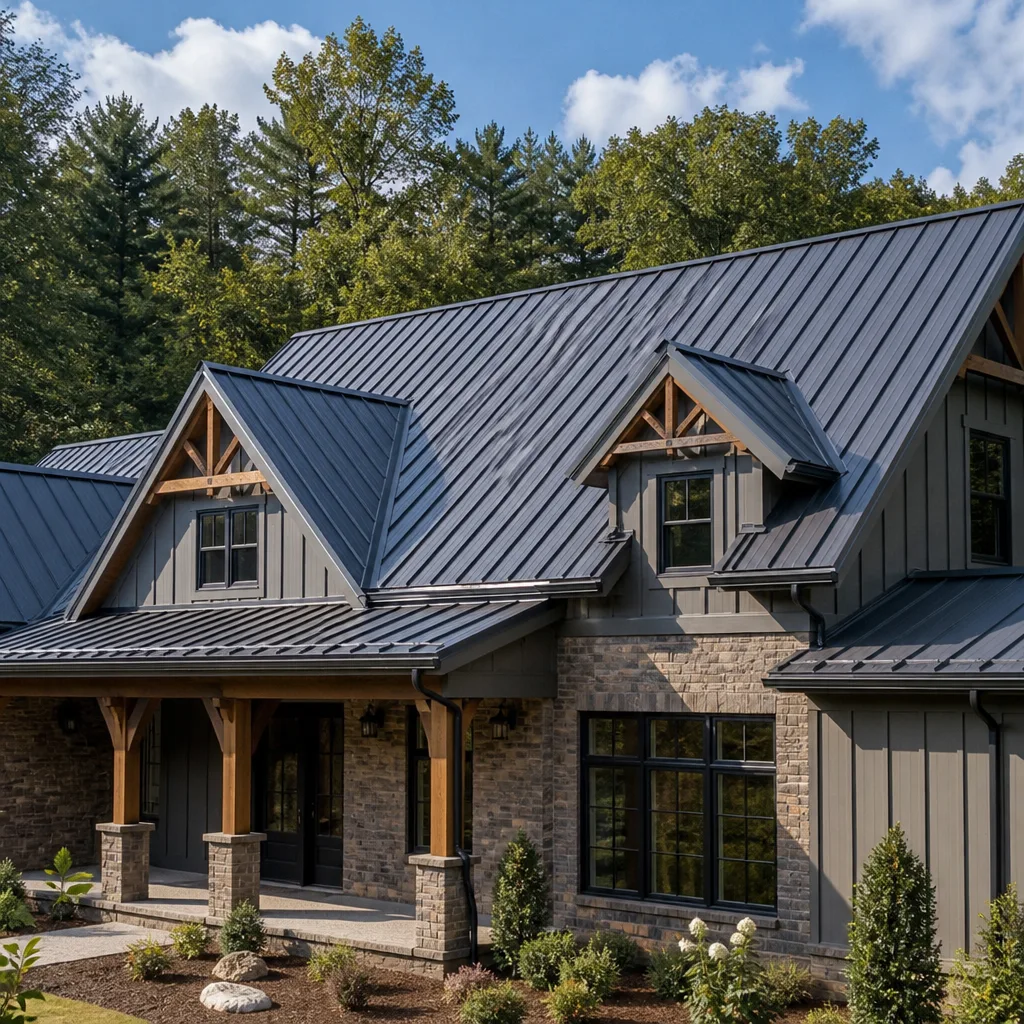 Metal roofing
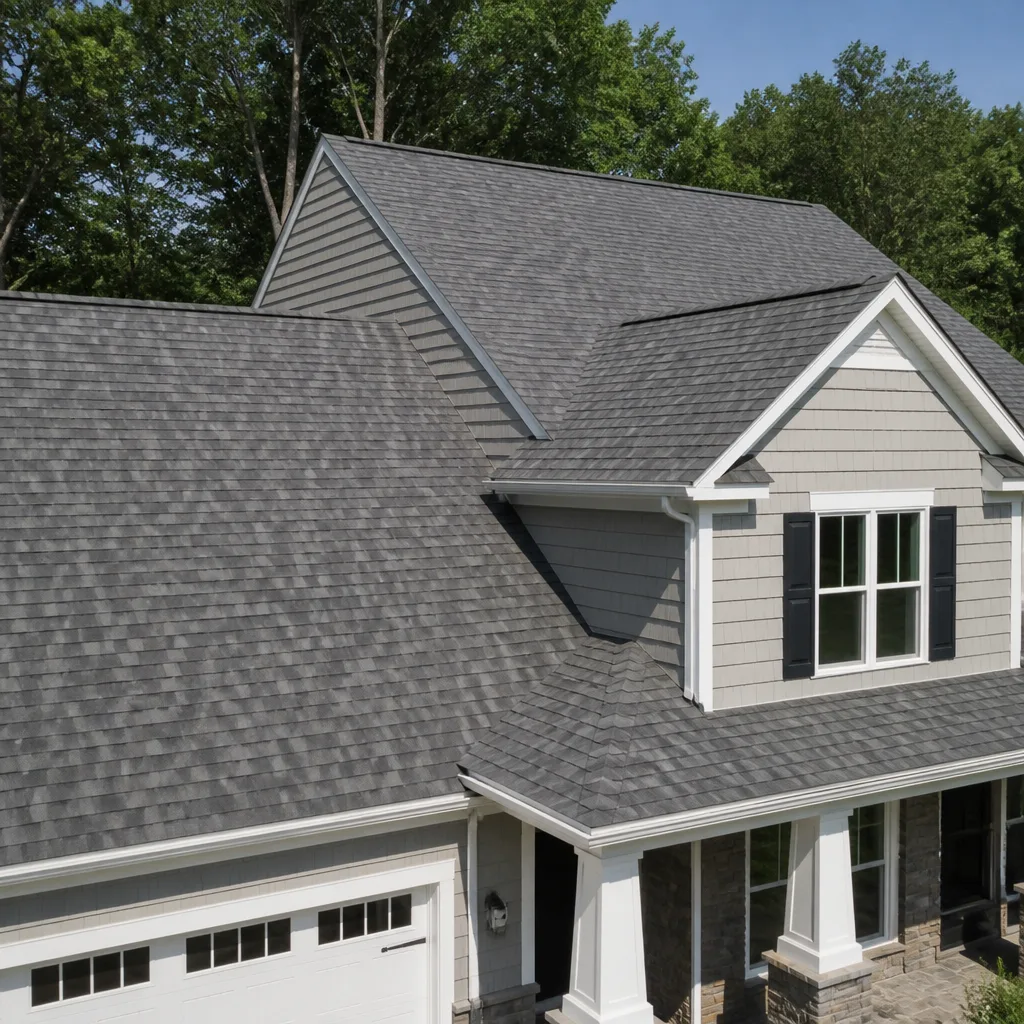
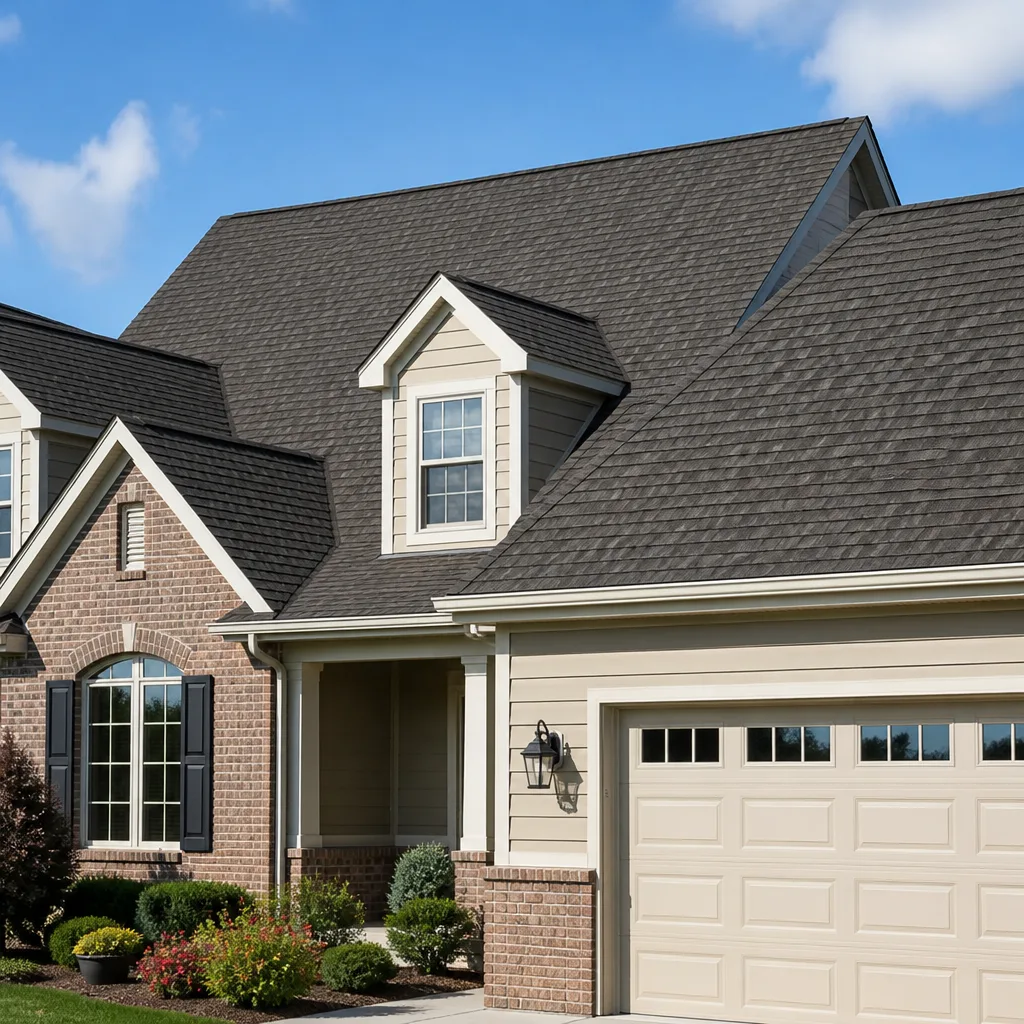 Architectural shingles
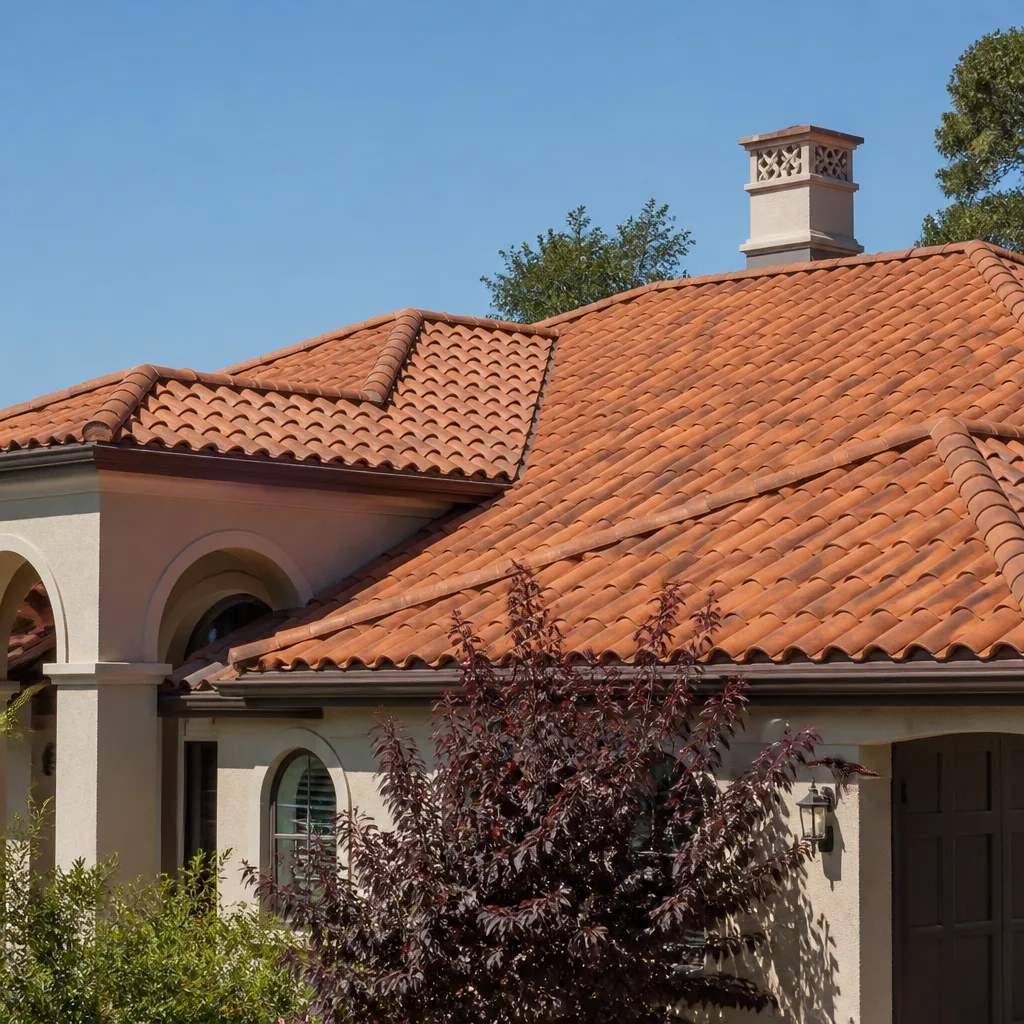 Tile roofing
 GAF
 Owens Corning
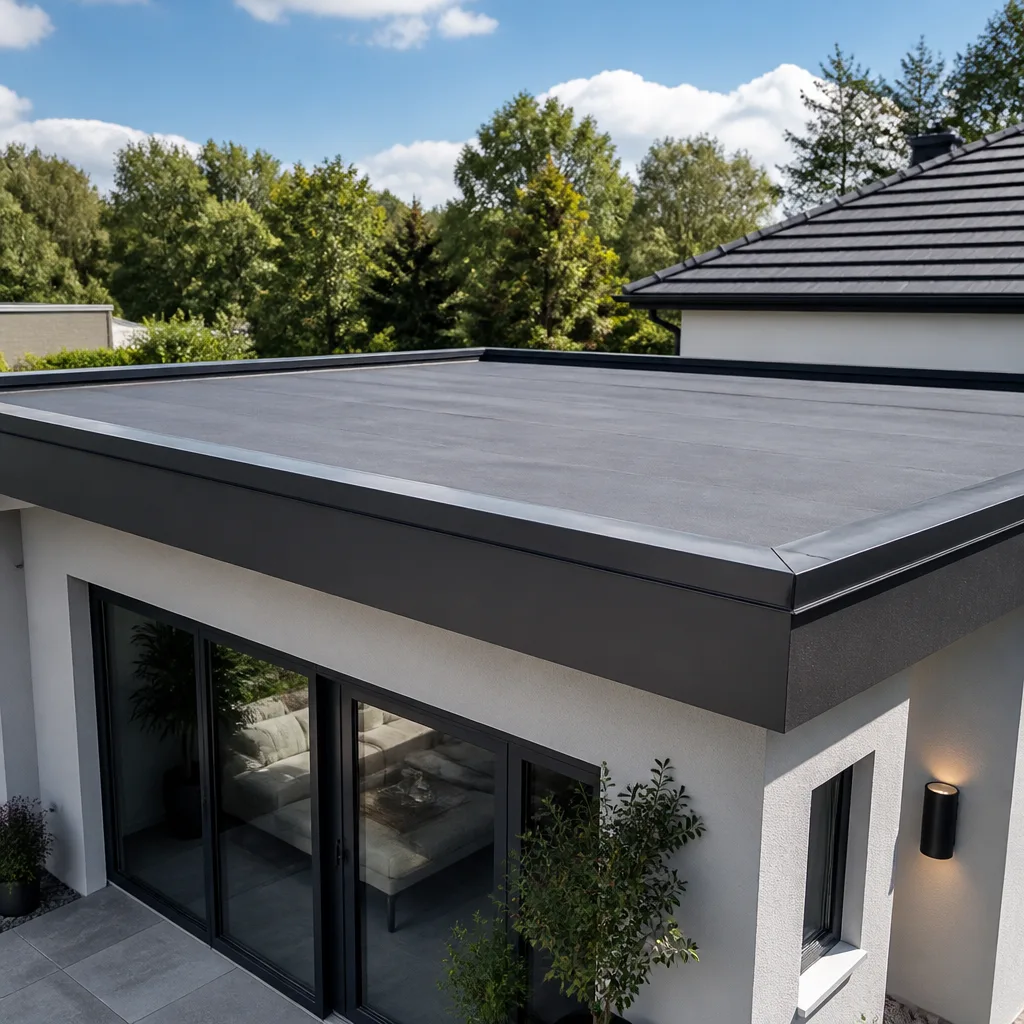 Flat & low-slope
Free roof inspection with deck photos before we talk money - GAF and Owens Corning certified installation
Roofing Cost Breakdown: The Westminster Homeowner’s Reference for 2026
Here’s a number most Westminster roofing companies won’t volunteer: two crews can quote the same 1,600-square-foot architectural shingle roof and land $4,000 apart, and both quotes will look complete at first glance. The gap is rarely about profit margin. One contractor priced a W-2 crew with full liability coverage, a 15% decking replacement allowance, code-grade synthetic underlayment, and haul-off included. The other priced a rotating subcontractor pool, bare-minimum felt, “decking as needed” with no allowance, and a dumpster fee that shows up later as a change order. This guide decodes every cost driver in Westminster so you can compare quotes line by line, not bottom-line to bottom-line.
Quick Answer
The average roof replacement cost in Westminster, CA runs $11,000 to $26,000 for a typical single-family home in 2026, with asphalt architectural shingles at $7.50 to $11.00 per square foot installed, concrete tile at $14 to $22 per square foot, and metal at $16 to $28. Targeted repairs are far cheaper, usually $450 to $1,800 depending on the failure type. The spread between quotes comes down to material assumptions, labor structure, underlayment grade, decking allowances, and warranty depth, not contractor greed.
Styles & brands we work with
Table of Contents
- Material Cost Ranges by Type in Westminster for 2026
- Hidden Line Items: What Separates a Cheap Bid from a Complete Bid
- How Pitch, Height, and Accessories Multiply Labor Costs
- What Legitimate Warranties Actually Cost
- How to Compare Three Quotes with Different Scopes
- Repair vs. Replacement: The Westminster Decision Framework
- Permits, Code, and the Westminster Inspection Process
- Timeline and What to Expect During Installation
Material Cost Ranges by Type in Westminster for 2026
Westminster sits in a coastal-influenced climate zone where UV exposure, Santa Ana wind events, and the occasional heavy El Niño rain cycle shape material selection. The same roof that works in a mild, low-wind city fails faster here if you choose entry-level products. The per-square-foot numbers below reflect installed cost, labor included, based on what we see in the Westminster market in 2026. A “square” is 100 square feet of roof surface, not home square footage.
- 3-tab asphalt shingle: $6.50 – $8.00 per square foot installed. The entry-level option. A 25-year rated product that typically lasts 15 to 18 years in Westminster sun. Seldom recommended unless it’s a rental with a tight budget or a home being sold.
- Architectural asphalt shingle: $7.50 – $11.00 per square foot installed. The workhorse. 30 to 50-year rated depending on the product tier. Brands like Owens Corning, CertainTeed, and Atlas dominate this category at different price points.
- Concrete tile: $14 – $22 per square foot installed. Heavy, long-lasting, and popular in Westminster’s Spanish and Mediterranean-style neighborhoods built in the 1970s through the 1990s. The same tile roof can last 40 to 50 years if the underlayment is replaced on schedule.
- Flat membrane (TPO / modified bitumen): $9 – $14 per square foot installed. Westminster has a meaningful stock of mid-century homes with flat or low-slope roof sections over additions, patios, and carports.
- Metal (standing seam / stone-coated steel): $16 – $28 per square foot installed. Rarely chosen for whole-house reroofs in Westminster due to upfront cost, but the right call on some modern builds and high-wind exposure zones.
The $1.20-per-square-foot difference between a standard 30-year architectural shingle and a 50-year architectural shingle is real, and it’s one of the smallest upgrade costs on the quote. For a 2,000-square-foot roof, that’s roughly $2,400. By contrast, the labor variance between a W-2 crew and a subcontracted crew runs $800 to $1,500 on the same job, quietly buried inside the “labor” line item where most homeowners never look.
Westminster Market Reality in 2026
Material prices stabilized somewhat after the supply disruptions of the early 2020s, but Westminster’s coastal position adds freight and logistics costs that inland cities absorb less. Expect a 4 to 7 percent material premium over national averages. When you see a Westminster quote that matches a national average exactly, look carefully at what’s missing.
Hidden Line Items: What Separates a Cheap Bid from a Complete Bid
Most homeowners compare roofing quotes the way they compare appliance prices, as if scope were identical. It’s not. Four line items determine whether a quote is complete or whether you’ll get a change order in the middle of the job. At Select Roof Repair home, we write these as explicit allowances so nothing arrives as a surprise.
- Underlayment grade. A full synthetic underlayment like a CertainTeed or GAF product runs $15 to $25 per 100 square feet more than 15-lb felt. Synthetic resists tearing during Santa Ana wind events before shingle installation, helps prevent leaks if a shingle blows off, and lasts the life of the roof. Cheap bids use felt. Complete bids use synthetic.
- Drip edge material. The difference between standard galvanized drip edge and a heavier-grade, code-compliant profile is $2 to $4 per linear foot, which can total $300 to $600 on a typical Westminster ranch. It’s one of the first items cut from a low bid, and one of the first things a thorough inspection catches.
- Decking repair allowance. This is the biggest swing item. Westminster’s older housing stock, especially homes built before 1990, often has plywood or OSB decking with water damage around vents, chimneys, and old leak points. A complete quote includes a per-sheet allowance, typically $75 to $120 per 4×8 sheet, with a stated number of included sheets. A cheap quote says “decking as needed” and then charges market rate for every sheet on the job. On a 1960s-era Westminster home with original decking, that difference easily reaches $2,000.
- Haul-off and disposal fees. A full tear-off on a 20-square roof produces 3 to 5 tons of debris. Landfill tipping fees in and around Orange County run $70 to $120 per ton plus delivery and pickup of the dumpster. Some bids bury this in “labor” and some omit it entirely as a separate line, then invoice it at the end. Ask every bidder to state haul-off as its own line item.
How Pitch, Height, and Accessories Multiply Labor Costs
The physical difficulty of the roof changes labor cost and crew size. This is where “it depends” becomes “here’s the multiplier.” We apply these numbers on roofs we bid in Westminster:
- Pitch: A walkable 4/12 or 5/12 pitch is the baseline. At 7/12, standard architectural work rises roughly 10 to 15 percent because crews need roof jacks and safety lines. At 9/12 and steeper, labor rises 20 to 30 percent and the crew moves at half speed.
- Story height: A single-story Westminster ranch is the cheapest roof to work. A two-story home adds staging, ladder setup, and tear-off logistics that push labor 8 to 12 percent higher. Three stories on a narrow lot near the Westminster Mall area can push 15 percent or more because material has to be carried by hand or crane.
- Valley count: Every valley adds hand-cutting, underlayment doubling, and flashing work. A simple hip roof with two valleys handles fine. A cut-up roof with five valleys adds $800 to $1,200 in labor, plus more waste factor.
- Skylights, pipe boots, and chimneys: Each penetration is a flashing point and a future leak risk if done wrong. A standard pipe boot replacement runs $60 to $120 in labor. A chimney saddle or cricket, especially on the backside facing the prevailing wind, is $400 to $800 when done correctly. Skylight reflashing typically runs $250 to $450 per unit, more if the curb is deteriorated.
When you look at a quote, the labor line should make sense against the house in front of you. A crew quoting a steep two-story with four valleys at the same labor as a flat ranch is either cutting corners or planning to ask for more later.
What Legitimate Warranties Actually Cost
Roof warranties divide into two categories that homeowners routinely confuse: manufacturer warranties and workmanship warranties. Each has different triggers, different coverage, and different real costs.
Manufacturer Warranties
The standard manufacturer warranty from a brand like IKO or Owens Corning covers product defects, prorated over the rated life of the material. A 30-year shingle doesn’t get a 30-year no-questions warranty. It gets full coverage for a short window (often 10 to 15 years) and then prorated coverage that shrinks each year. The standard warranty costs nothing beyond the material price.
An extended manufacturer warranty, like the GAF Golden Pledge or CertainTeed SureStart Plus, adds non-prorated coverage and often labor coverage for a set period. These warranties typically add $1,500 to $4,000 depending on the system components and whether the contractor is certified with that manufacturer. They also require the installer to follow the manufacturer’s installation spec to the letter, which filters out contractors who cut corners.
Workmanship Warranties
A workmanship warranty covers the installer’s labor against installation errors. The standard offering in Westminster is 2 to 5 years. Longer workmanship warranties, 10 years or more, are less about the paper and more about the installer’s likelihood of existing in 10 years. A roofer writing a 10-year workmanship warranty has to set aside contingency or carry insurance that covers future callbacks. That cost appears in the quote. It’s a signal of a legitimate, established operation, not a trick.
When you compare quotes, ask two questions: What does the manufacturer warranty cover in year 15, and is the workmanship warranty backed by a company that will still be around, or is it a sheet of paper from a two-man operation that closes and reopens under a new name?
How to Compare Three Quotes with Different Scopes
Three quotes arrive. One is $13,000. One is $17,500. One is $21,000. Different materials, different allowances, different warranty language. Here is the column-by-column method we recommend Westminster homeowners use to normalize the variables.
- Create a column for each contractor and a row for each component. Rows: material (brand and product line), underlayment (brand and type), drip edge (gauge and profile), decking allowance (sheets included and per-sheet add cost), haul-off, labor (with pitch and height noted), warranty (manufacturer + workmanship years), permit.
- Write the material spec, not just “architectural shingle.” A bid that says “architectural shingle” without a brand and product line can’t be compared. Demand the spec. If a contractor won’t name the shingle, that’s an answer.
- Circle every item that appears on one quote but not the other two. Missing underlayment spec, missing drip edge, missing decking allowance, missing haul-off line. Each gap is a future change order.
- Call the two lowest bidders and ask where the difference comes from. A contractor who can explain his pricing in 30 seconds is legitimate. A contractor who gets vague or defensive priced the job hoping you wouldn’t ask.
- Re-rank the quotes by completeness, not price. A complete $17,500 quote is often cheaper than an incomplete $13,000 quote that becomes $18,000 after decking, underlayment upgrades, and disposal fees.
Repair vs. Replacement: The Westminster Decision Framework
Some roofers quote a replacement for every roof they see because replacement is the bigger ticket. The honest path is to look at what’s actually failing and make the call from there. Here is the framework we use when we’re evaluating Westminster roofs.
- Repair the right call when: the failure is localized (a missing shingle, a failed pipe boot, a nail pop, one saturated decking sheet), the surrounding material is sound, and the roof has meaningful life left. A quality repair on a 10-year-old architectural roof is $450 to $1,800 and buys 5 to 10 more years.
- Replacement the right call when: the roof is past 80 percent of its rated life, decking is failing in more than a few places, multiple leaks are active or dormant across different slopes, or the underlayment has dried out and lost adhesion (a common Westminster issue on homes built in the 1990s).
- The inspection question. A standalone roof inspection in Westminster is the cheapest way to know which bucket you’re in. An inspection is not a sales appointment. It’s a diagnostic. The same way you’d get a structural engineer’s report before an addition.
In our experience, maybe 60 percent of the Westminster roofs we inspect have a repairable failure pattern, not a full replacement scenario. The other 40 percent were ignored long enough that replacement is the only honest recommendation.
Permits, Code, and the Westminster Inspection Process
Westminster reroofs require a building permit through the city. The permit is a line item, typically $400 to $900 depending on project scope and valuation, and it triggers a city inspection at the rough stage and final stage. A quote without a permit line is a quote for an unpermitted roof.
Here’s what a legitimate Westminster roofing permit and inspection sequence looks like:
- Application and plan review. Your contractor submits the product spec, underlayment type, and scope. The city confirms compliance with the California Building Code and local amendments.
- Tear-off and dry-in. Crew strips the old roof, repairs decking as needed, installs underlayment and drip edge. The city inspects the dry-in before shingles, tile, or membrane goes over it. If decking replacement was significant, this inspection catches structural problems while they’re visible.
- Final inspection. After the roof is complete, the inspector confirms the finished product matches the permit spec.
A contractor who suggests skipping the permit to save money is asking you to carry liability for unpermitted work, which becomes a problem at resale when the buyer’s inspector checks permits against the roof’s age. Any legitimate Westminster roofing company pulls the permit and works the inspection schedule into the timeline.
Timeline and What to Expect During Installation
A typical Westminster reroof takes longer than homeowners expect once you factor in permitting, material lead time, and the inspection schedule. A simple architectural shingle roof on a single-story ranch starts around 2 to 3 working days of actual installation. Add 1 to 2 weeks for permit processing. Add 3 to 10 days for material delivery depending on the product. Concrete tile and metal extend material lead time to 2 to 6 weeks if the product isn’t stocked locally.
The sequence is predictable: tear-off first, then decking inspection and repair, then underlayment and drip edge (the dry-in), then the city dry-in inspection, then the finish material. On a cut-up two-story with tile, the dry-in stage alone can take 2 to 3 days, and the roof is fully weatherproof at that point even if it doesn’t look finished yet.
Common Mistakes to Avoid
- Comparing bottom lines without reading the line items. A $4,000 difference between quotes looks like savings until you realize the lower quote has no decking allowance and felt underlayment. Read the lines, not the total.
- Accepting “decking as needed” without a stated allowance. This is the single largest source of change-order disputes on Westminster reroofs. Demand a per-sheet price and a stated number of included sheets.
- Choosing a material before understanding the climate exposure. Westminster’s UV load and Santa Ana winds mean cheap 3-tab products and lightweight underlayments degrade faster than their rated life. The material that works in Ohio isn’t the right call two miles from the coast.
- Skipping the permit to save $500. Unpermitted work converts a $500 savings into a resale liability and a potential insurance claim denial if the roof later fails. The permit protects you, not the contractor.
- Treating a roof inspection like a sales presentation. A legitimate inspection tells you what’s wrong and what’s not wrong. If every inspection you get ends with a hard sales close for a replacement, get a second set of eyes.
- Confusing the manufacturer warranty with the workmanship warranty. The manufacturer covers product defects. The installer covers installation errors. Both matter, and neither is worth much if the company behind it won’t be around.
- Waiting for a leak before acting. Westminster homes with 25 to 30-year-old roofs are past their serviceable life even if the ceiling hasn’t stained yet. Once water is visible inside, the decking and insulation damage is already done.
See the difference
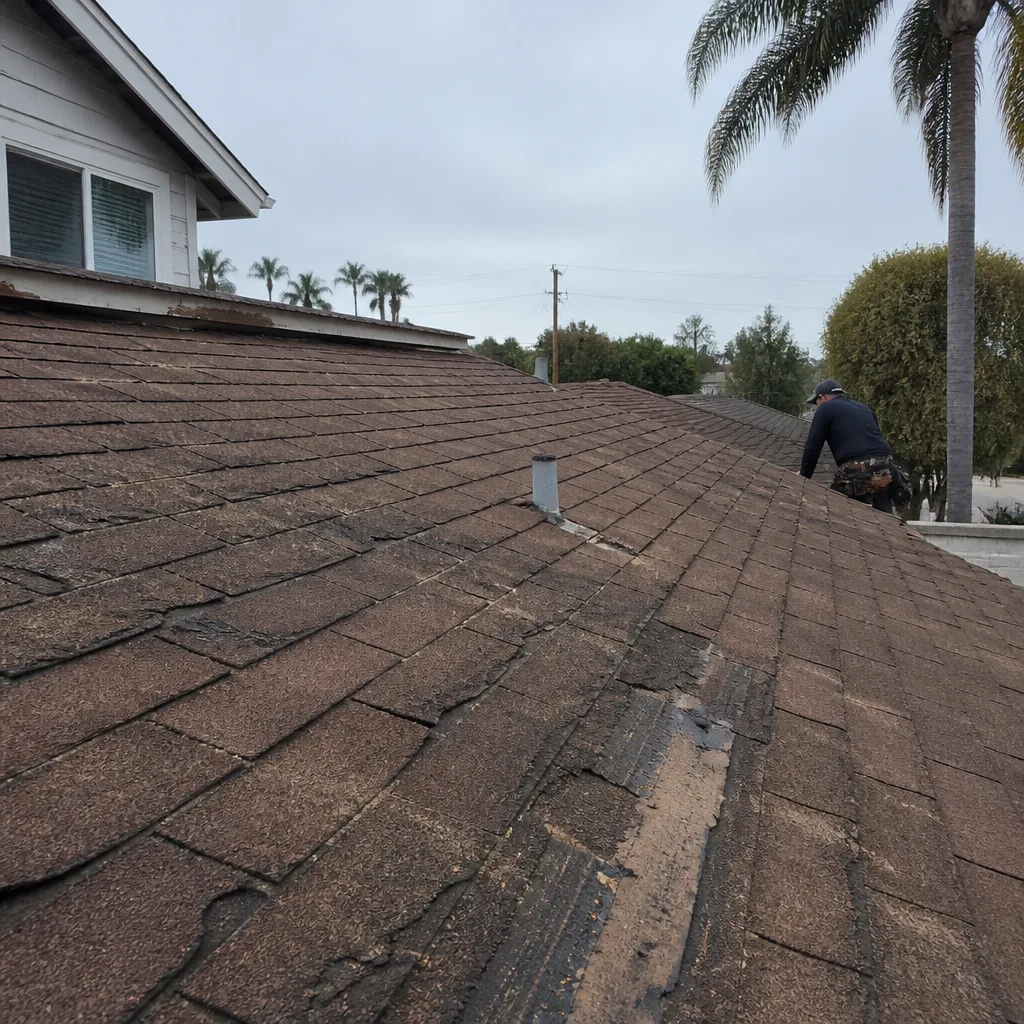 Before
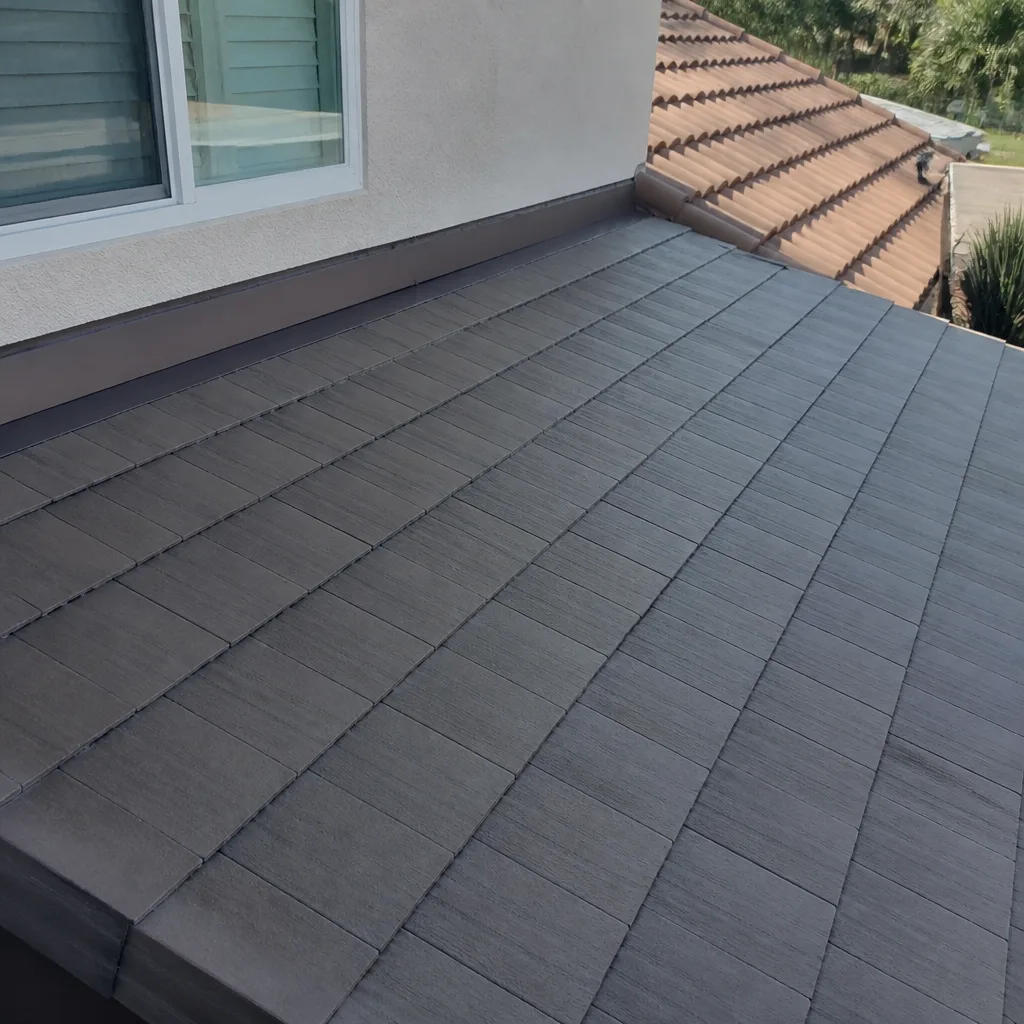 After
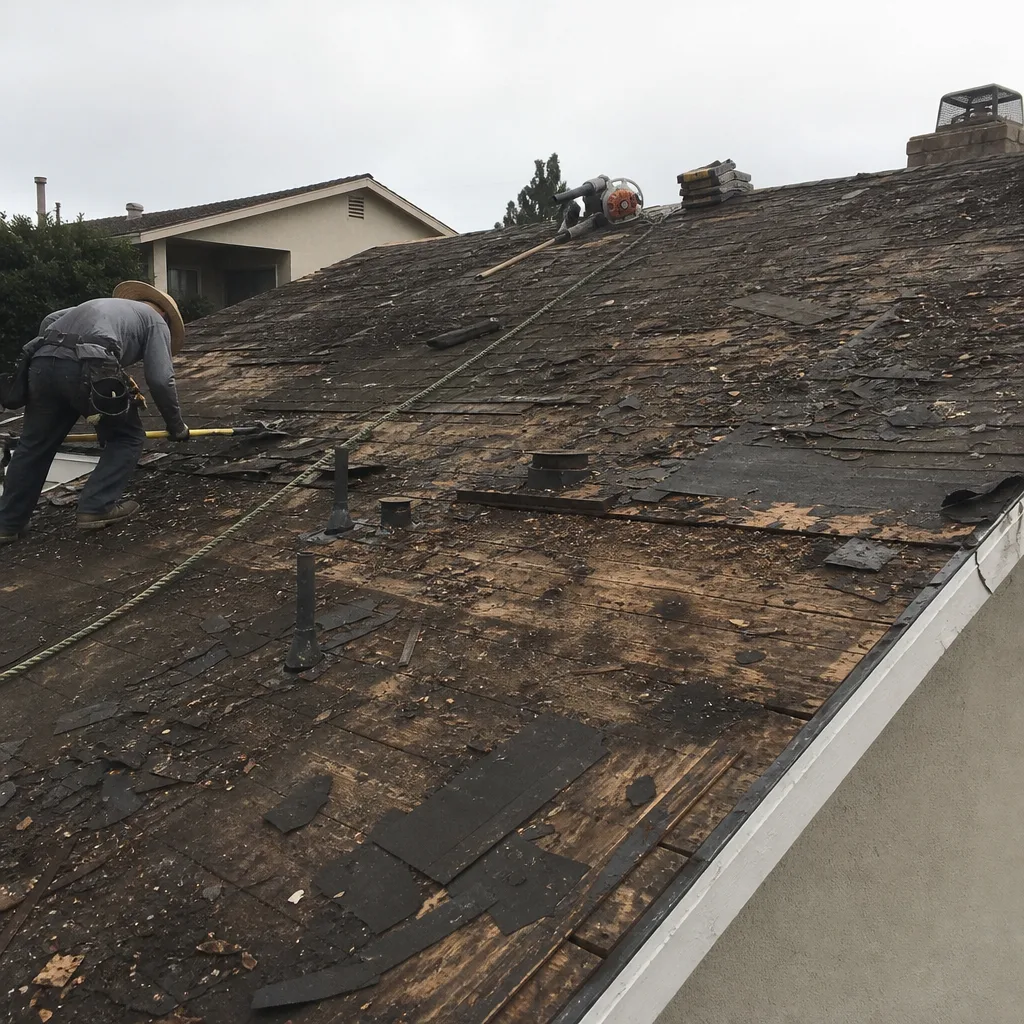 Before
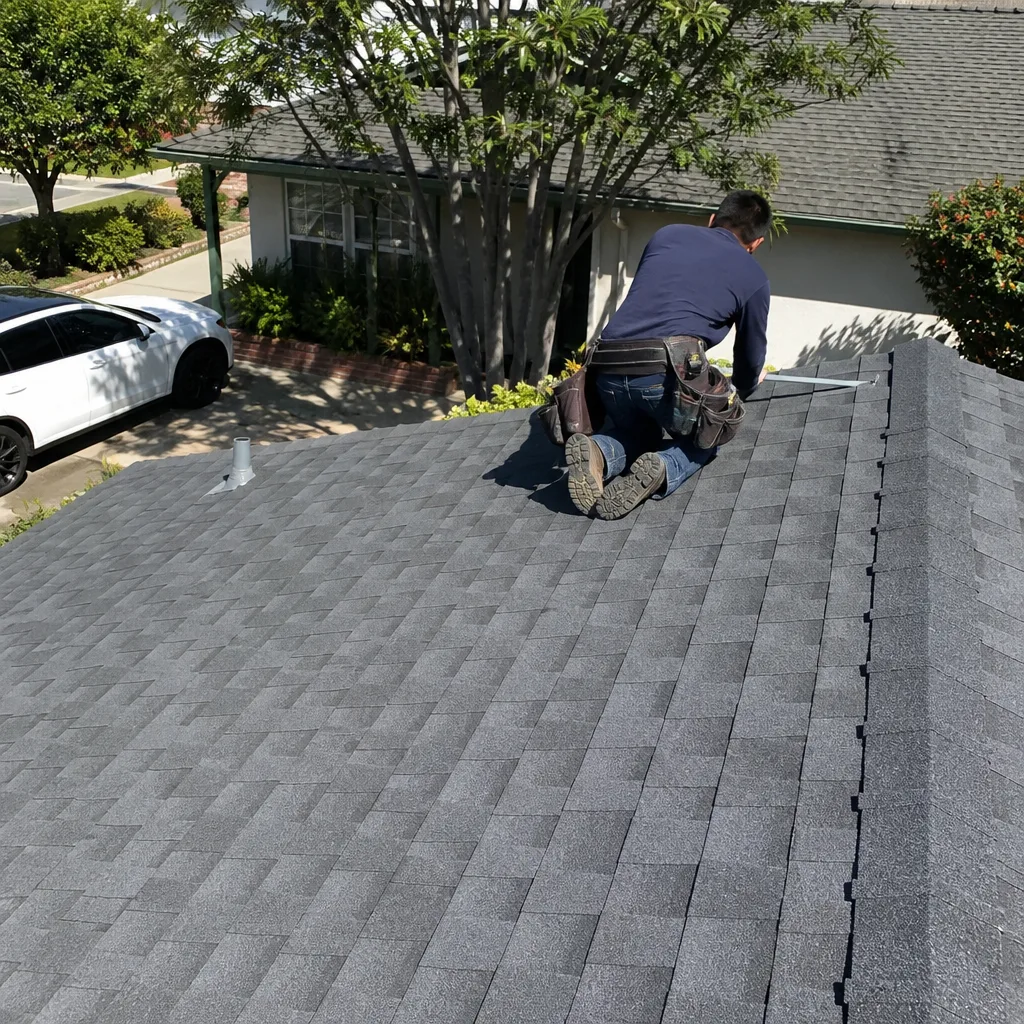 After
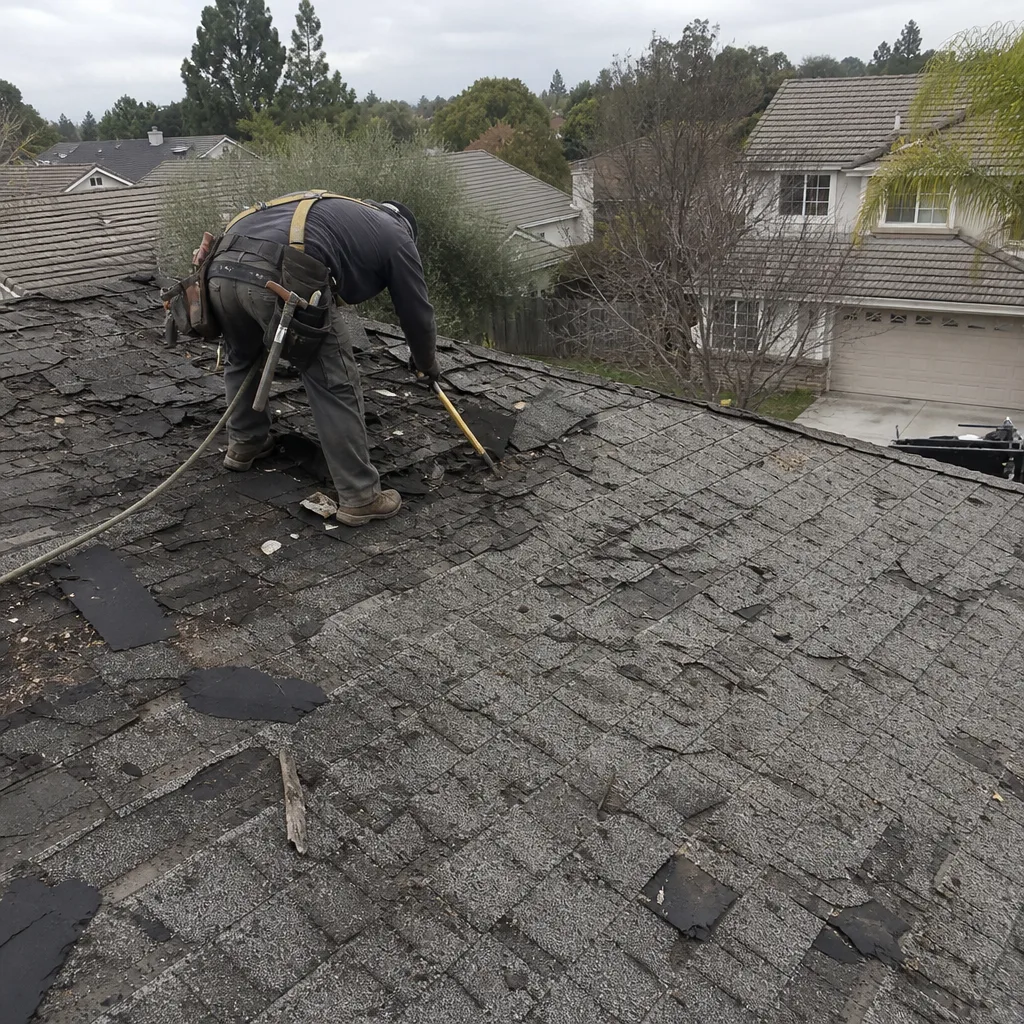 Before
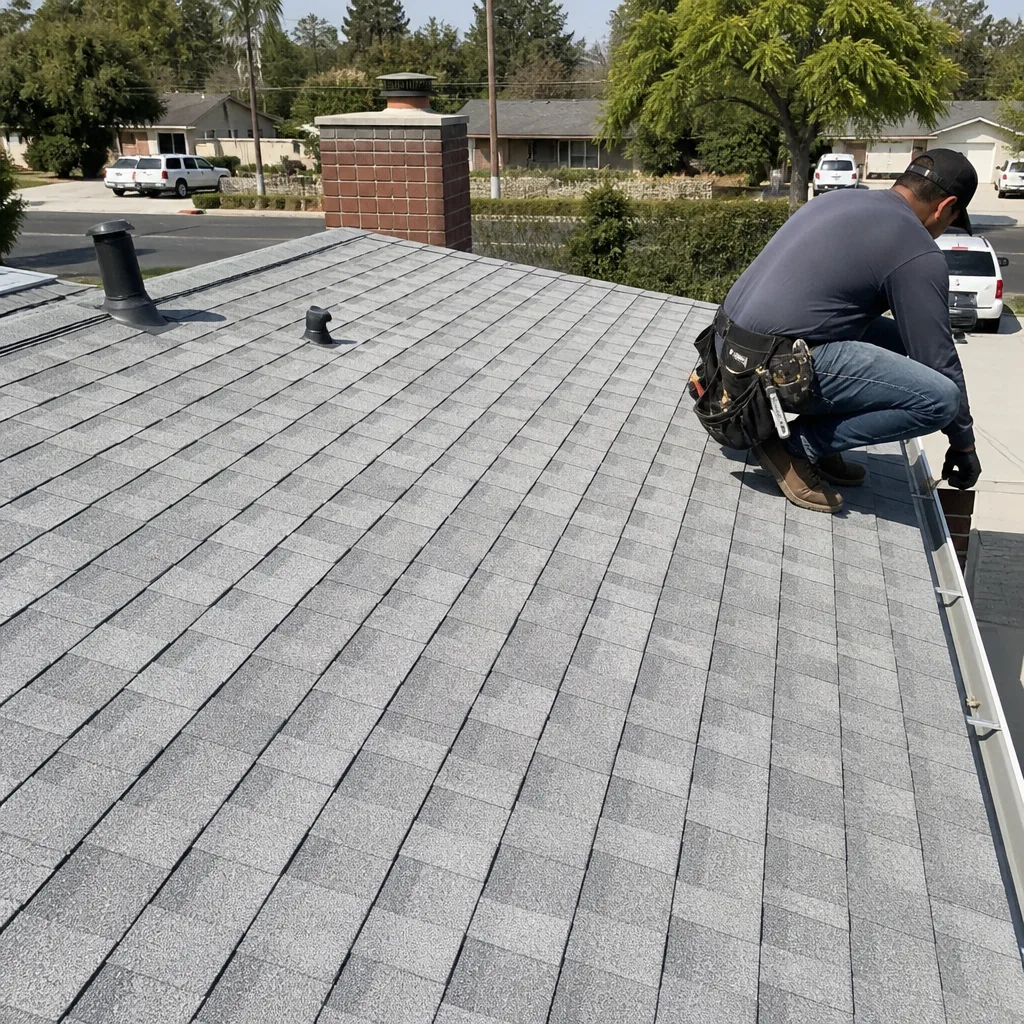 After
When to Call a Professional
You should call a roofing professional when you see granule loss in the gutters, cracked or missing shingles after a Santa Ana event, water staining on the ceiling or around attic penetrations, or an inspection report flags the underlayment. A roof past 20 years old that hasn’t been inspected in the last three years is also due for a professional assessment. Select Roof Repair offers roof repair in Westminster and roof replacement in Westminster, with free estimates. Call (855) 382-0485 to schedule a quote.
Frequently Asked Questions
A full roof replacement in Westminster typically costs $11,000 to $26,000 for a single-family home, depending on size, material, pitch, and decking condition. Architectural shingles run $7.50 to $11.00 per square foot installed; concrete tile runs $14 to $22; metal runs $16 to $28. Call (855) 382-0485 for a written, line-item quote.
The gap almost always shows up in line items one quote has and the other doesn’t: decking allowance, synthetic vs. felt underlayment, drip edge gauge, haul-off, permit, and warranty depth. A cheap quote that omits these isn’t cheaper; it’s incomplete. Normalize the scopes before comparing numbers.
Yes. Architectural shingles cost about $1.00 to $3.00 more per square foot installed than 3-tab, but they last 50 to 100 percent longer in Westminster sun and wind, and they carry a higher wind warranty. Over the life of the roof, architectural shingles are the cheaper material.
Most Westminster roofers charge $200 to $450 for a standalone inspection that includes attic access, flashing review, and a written finding report. Some contractors apply the fee toward repair or replacement if you proceed with work. An inspection is the lowest-cost way to know what you’re dealing with.
It can change if the decking under the shingles is in worse shape than expected, which is common on Westminster homes built before 1990. A good quote includes a per-sheet decking allowance and a stated number of included sheets, so decking surprises are capped and predictable. If a quote has no decking language, the price will change.
Legitimate ones do. A Westminster reroof requires a permit and a city inspection at the dry-in stage and final stage. The permit line runs $400 to $900 depending on scope. Any roofer who suggests skipping the permit is shifting liability to you.
The Bottom Line
The gap between a $13,000 and a $21,000 roof quote in Westminster is rarely a difference in margin. It’s a difference in assumptions, allowances, and the honesty of the paperwork. Two identical houses can produce quotes $8,000 apart when one roofer prices a complete job with synthetic underlayment, a real decking allowance, code-grade drip edge, and a manufacturer-backed extended warranty, and the other prices a bare-bones tear-off with change orders built into the method rather than the quote. Read every line. Ask for specs. Start with an inspection, then decide. The material should match your roof and your budget, not whatever brand the roofer happens to have a contract with.
Written by the team at Select Roof Repair, serving Westminster since 2018.