
Last updated October 30, 2026
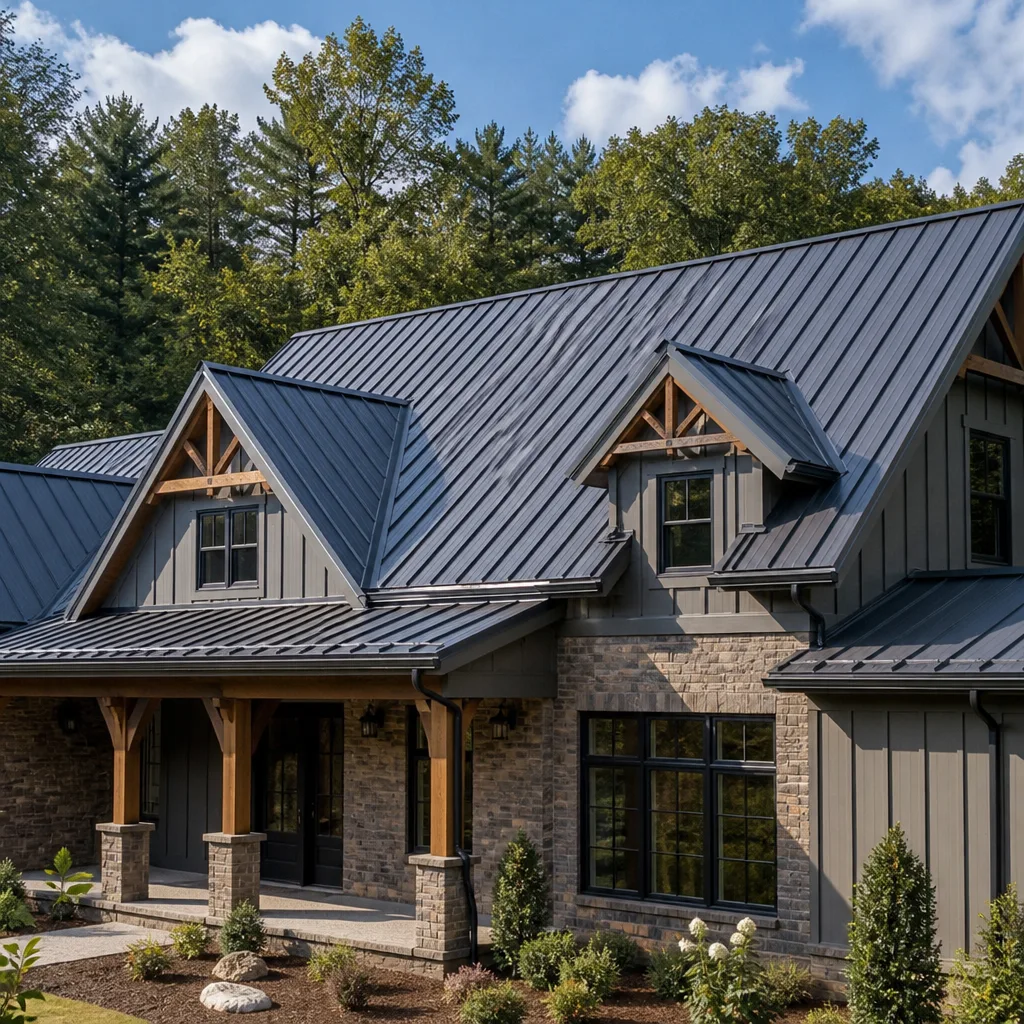 Metal roofing
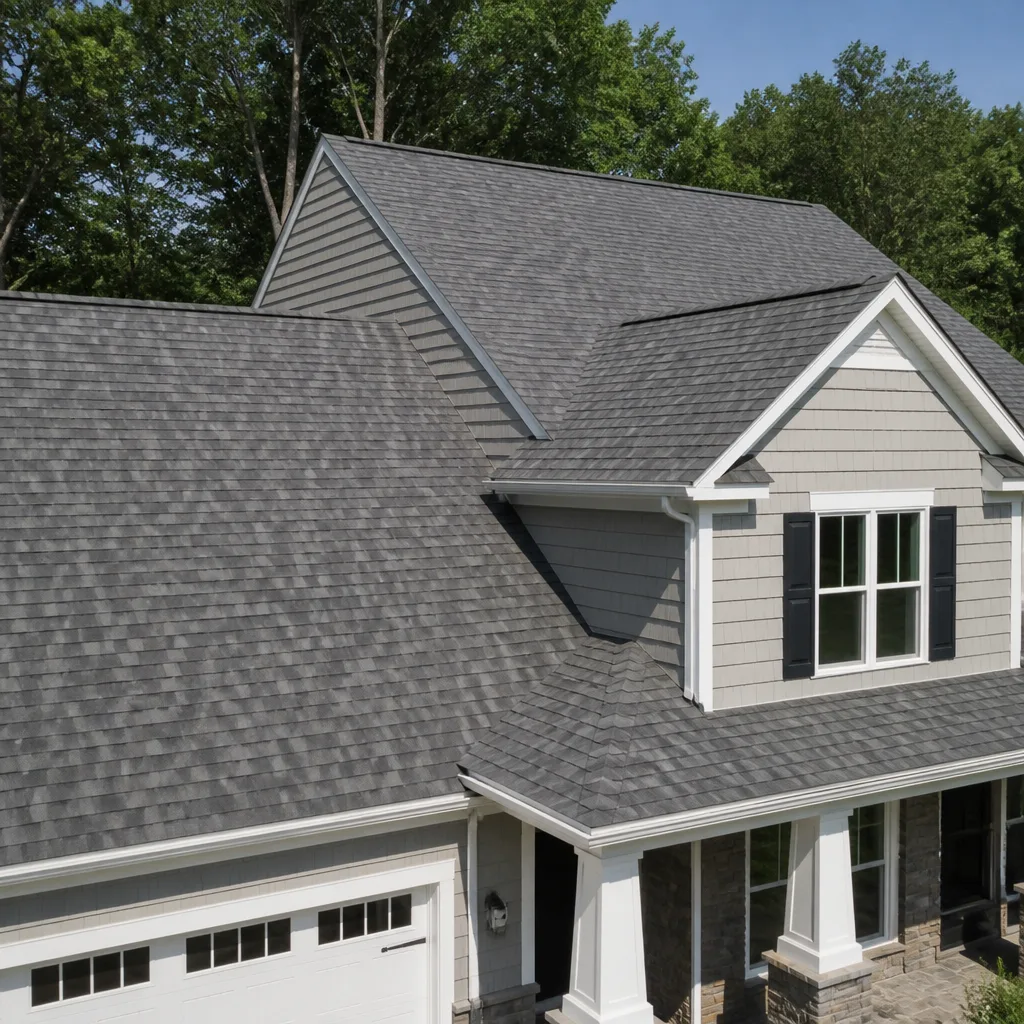
 Architectural shingles
 Tile roofing
 GAF
 Owens Corning
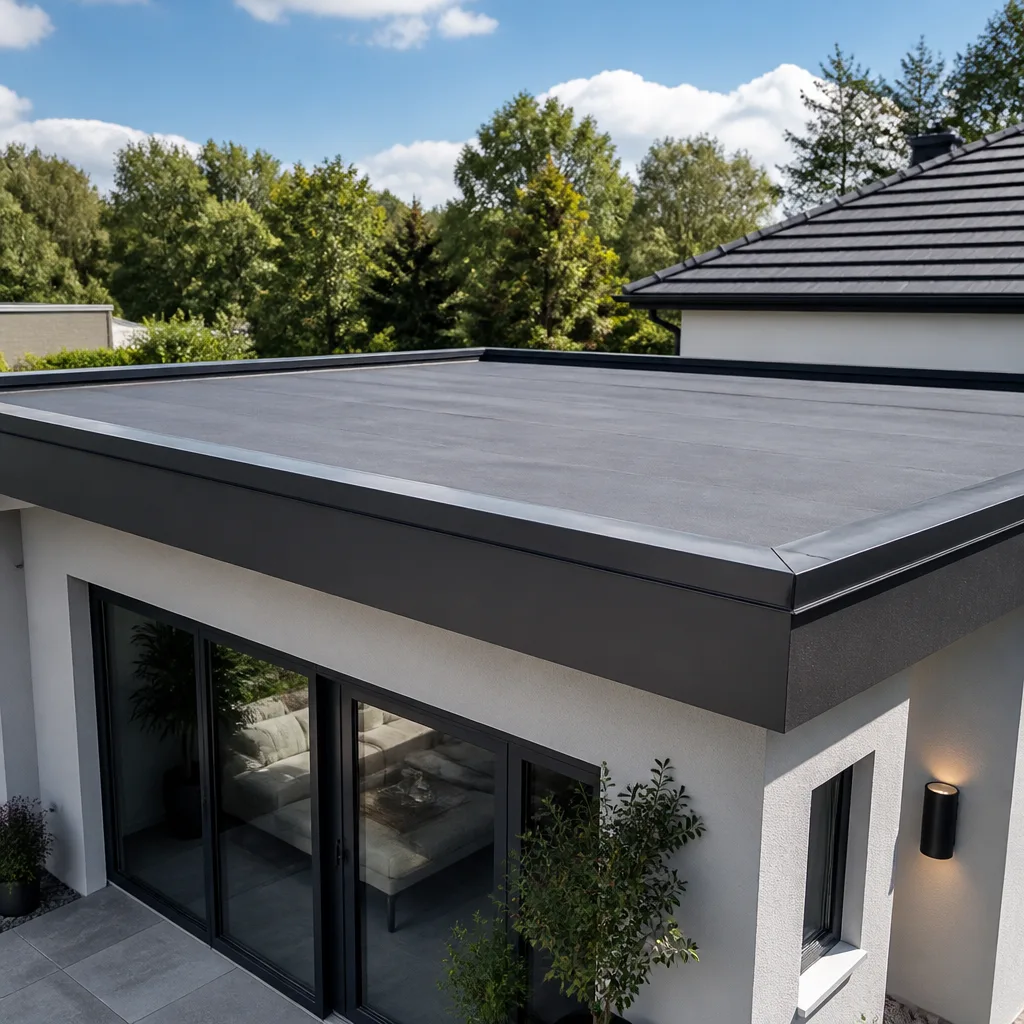 Flat & low-slope
Free roof inspection with deck photos before we talk money - GAF and Owens Corning certified installation
Roofing Emergency Preparedness Guide for Westminster Homes
Here’s a number most Westminster homeowners never think about until it’s too late: the average emergency roof tarp costs 40-60% more when it’s installed at 11pm during a rainstorm by the first crew that answers the phone. That’s not a markup, it’s the price of panic. Santa Ana winds peel back concrete tile ridges every fall, December rains find every aging flashing joint, and small seismic events shift roof penetrations just enough to create slow leaks nobody notices until drywall stains appear. This guide gives you a pre-built emergency plan so that when water is coming through your ceiling in Westminster, your first call is to a roofer you already know, not a stranger with a truck and a tarp.
Quick Answer
Roofing emergency preparedness in Westminster means having three things done before anything goes wrong: a documented roof profile with your roof’s age, material, and known vulnerabilities; a pre-vetted licensed roofer’s contact saved in your phone; and a one-page emergency reference card posted where you can find it in the dark. The actual emergency response, in order, is: contain interior water, document damage with photos, call your roofer for temporary protection, then file your insurance claim with the evidence you’ve already gathered. Homes that do this routinely save thousands on emergency repairs and avoid storm-chaser scams.
Styles & brands we work with
Table of Contents
- Building a Pre-Storm Roof Profile
- Westminster Emergency Scenarios: What Actually Happens Here
- Emergency Tarping: Done Right vs. Done Wrong
- Filing a Wind or Storm Damage Claim Correctly
- Your One-Page Emergency Reference Card
- Why Your Roof Material Changes Your Emergency Response
- After the Emergency: From Tarp to Permanent Fix
Building a Pre-Storm Roof Profile
You wouldn’t wait for a house fire to buy a smoke detector. Yet most Westminster homeowners wait for a roof leak to learn what kind of roof they have, how old it is, and who they’d call if it failed. A pre-storm roof profile is a simple document that changes the entire emergency equation because it removes every decision you’d otherwise make under stress.
Start with the basics. What roofing material is on your home? Westminster has a high concentration of concrete tile roofs, especially in neighborhoods built from the 1960s through the 1990s. Those tiles sit on underlayment that degrades over time, and the ridge caps are the most common failure point during Santa Ana wind events. If you have a flat or low-slope roof, typically on mid-century modern homes in Westminster’s older tracts, you’re dealing with a completely different vulnerability: ponding water and clogged drains, not wind uplift.
Document these facts when the sun is shining:
- Roof material and approximate age (check your home purchase documents or a previous inspection report)
- Last known repair or replacement date and what was done
- Any areas that have leaked before, even minor stains that were “fixed”
- Overhanging tree branches within striking distance of the roof surface
- Your roofer’s name and phone number, saved in your contacts under “Roof Emergency”
The most valuable stop on this list is a professional roof inspection in Westminster that gives you an honest baseline. We routinely find homeowners who think their roof is five years old when it’s actually fifteen, or who don’t know that the slight lift on their tile ridge was already visible last fall. A standalone inspection costs a fraction of an emergency call, and it converts a mystery into a documented plan. Even better, the report becomes the “before” evidence your insurance company will want if a storm does cause damage later.
Westminster Emergency Scenarios: What Actually Happens Here
Westminster’s climate produces a specific set of roofing emergencies, and they’re not the ones homeowners imagine. This isn’t hurricane country. We don’t get tornados. What we do get, with predictable regularity, are three failure modes that each demand a different response.
Scenario One: Santa Ana wind damage. When 65 mph gusts come out of the northeast, usually between September and December, they hit concrete tile roofs along their ridge lines and eaves. The force lifts tiles just enough to break the nose of the tile or push ridge caps out of alignment. The result is not usually a dramatic hole in your roof; it’s scattered displaced tiles that expose underlayment to the next rain. The immediate response is not an emergency tarp over the whole roof. It’s a targeted inspection to identify every displaced piece before rain arrives. In our experience, a Santa Ana event that causes “no visible damage” from the ground often leaves a dozen tiles shifted that find water three weeks later.
Scenario Two: Sudden winter rain intrusion through aging tiles. Westminster averages about 14 inches of rain per year, but it lands in a handful of concentrated storm events. A roof that survived the summer suddenly reveals its age when two inches fall in an hour. The leak that appears is almost never where the water enters. Water travels along the underlayment, hits a nail, a seam, or a flashing transition, and drips into your living room twenty feet from the actual entry point. The immediate response here is interior containment first, then a diagnosis that traces the water path, not a patch where the stain appeared.
Scenario Three: Post-earthquake flashing displacement. Westminster sits on the Newport-Inglewood fault zone, and small seismic events, magnitude 4 and under, happen several times per year. These don’t collapse roofs, but they do shift roof penetrations: vents, chimneys, skylights, and pipes. Flashing that was watertight on Tuesday is suddenly separated by a quarter inch on Wednesday, and the next rain finds it. The response here is an inspection of every penetration, not a replacement of the roof. Most post-earthquake leaks in Westminster are repaired with new flashing and sealant, not with a new roof.
Each of these scenarios has a correct first response and an expensive incorrect one. Knowing the difference before the emergency is the point of this entire guide, and it’s exactly where a roofing repair specialist in Westminster adds value: we diagnose the failure mode before prescribing the fix.
Emergency Tarping: Done Right vs. Done Wrong
When water is actively entering your home, temporary protection matters more than permanent repair. You can’t replace shingles in a downpour, and you shouldn’t. The immediate goal is to stop further damage, secure the interior, and buy days or weeks until a proper repair can be completed. That’s what emergency tarping is for, and the difference between a tarp done right and a tarp done wrong is measured in thousands of dollars of interior damage.
A legitimate emergency tarp covers the damaged area with a heavy-duty polyethylene tarp, typically 6-mil or thicker, secured so it can’t flap in wind. It’s anchored with cap nails and furring strips along the edges, not just weighted down with bricks or two-by-fours. The tarp must extend past the damaged area on all sides, generally at least four feet beyond the affected zone, and it must be lapped so water flows over it, not under it. The roof deck must be dry enough for temporary adhesion, which is why even a good tarp in a hard rain is a temporary measure, not a fix.
In Westminster’s emergency repair market, pricing splits into two tiers. A licensed roofing contractor charges between $400 and $900 for a standard emergency tarp on an accessible roof, depending on the size of the damaged area and the height of the roof. An unlicensed “storm chaser” or handyman will often quote $1,200 to $2,500 for the same square footage, and they’ll do it with a hardware store tarp, no insurance, and no obligation to come back and finish the repair. The markup is not for skill; it’s for urgency. You’re paying for the fact that they showed up at midnight, not for the quality of the work.
Here’s what a legitimate temporary repair covers and what it doesn’t:
- Covered: Stopping active water intrusion, protecting exposed decking and underlayment from rain and debris, giving you time to file an insurance claim and schedule a permanent repair.
- Not covered: Structural repairs, shingle or tile replacement, flashing repairs, or any work that requires removing and reinstalling roofing material. A tarp is a bridge, not a destination.
- Properly secured: The tarp should be anchored at all edges and seams so it survives a subsequent wind event. A tarp that flaps in the wind becomes a sail that tears itself apart, and it can damage adjacent roofing material as it whips.
In our experience, Westminster homeowners with a pre-storm roof profile and a saved roofer’s number pay less than half of what panic-call homeowners pay for the same emergency. Not because we charge less for the work, but because the work we do is appropriate to the situation rather than a maxed-out invoice for fear.
Filing a Wind or Storm Damage Claim Correctly
Insurance claims for roof damage are won or lost in the first 24 hours. The homeowners who document properly before touching anything end up with covered repairs. The homeowners who call their insurer with a vague description of “water coming in somewhere” and no photos end up fighting a denial. Here’s the correct sequence.
Step 1: Safety first. If there’s active water intrusion, shut off electricity to the affected area if safe to do so, and move valuables out from under the leak. Water and electricity don’t mix, and no insurance payout is worth a trip to the emergency room.
Step 2: Document everything, in this order. Take photos of the damaged roof from the ground or from inside the attic first. Then photos of the interior damage: the water stain, the wet drywall, the water path down walls. Then take photos of your roof before the storm if you have them, which is another reason to build that pre-storm roof profile. Then write down the date and time the leak appeared, the weather conditions, and any immediate actions you took.
Step 3: Call your roofer before your insurer. This is the step Westminster homeowners often skip. Your roofer can tell you whether the damage is severe enough to file a claim at all. If your deductible is $1,500 and the repair is $1,200, filing a claim raises your premiums and gets you nothing. A licensed roofer can also document the cause of damage in language your insurer will accept, which matters when the claim is for wind damage and your insurer wants to argue it was pre-existing wear and tear. A roof inspection report in Westminster showing your roof was sound before the storm is the strongest evidence you can put in front of an adjuster.
Step 4: File the claim with evidence. Submit photos, your roofer’s assessment, and documentation of the temporary repair. Don’t conceal the fact that you tarped the roof; insurers expect you to mitigate further damage and will reimburse reasonable temporary repair costs as part of the claim if you document them.
Step 5: Meet the adjuster prepared. Have your roofer present during the adjuster’s visit. The conversation between a roofer and an adjuster is different from the conversation between a homeowner and an adjuster; the roofer speaks the language of roof damage, and the adjuster is more likely to approve a claim that’s professionally documented with specific terminology.
Westminster homeowners should also know that California law requires insurers to handle claims fairly and promptly, and the California Department of Insurance is a resource if a claim is delayed or denied without cause. Document every conversation with your insurer, including dates, who you spoke with, and what was discussed.
Your One-Page Emergency Reference Card
The most valuable asset in a roofing emergency is a decision made in advance. When water is coming through the ceiling at 11pm, your brain floods with stress hormones, and your ability to make good decisions collapses. That’s why a one-page reference card, filled out now and posted where you can find it in the dark, is worth more than any gadget or gadget list.
Print this card and fill in the blanks. Laminate it if you’re thorough. Tape it to the inside of a kitchen cabinet door or the garage wall next to your electrical panel, in a spot where a flashlight lives.
- Roof type: ___ (concrete tile, composition shingle, flat/low-slope, wood shake, metal)
- Roof age: ___ years (from purchase documents, inspection report, or roofer’s assessment)
- Known vulnerabilities: ___ (example: “ridge cap lifted on north side during 2023 Santa Ana event” or “slow drip at chimney flashing after heavy rain”)
- Roofer’s name and phone: ___ (Select Roof Repair: (855) 382-0485, if that’s your choice)
- Insurance company and policy number: ___
- Insurance deductible: $___
- Electrical shut-off location: ___
- Water shut-off location: ___
When an emergency actually happens, the card tells you what to do first. It eliminates the “who do I call?” paralysis and replaces it with a sequence. Here’s the sequence that works in Westminster:
- Contain the water: move valuables, place a bucket or container under the leak, and shut off electricity to the affected area if water is near outlets or light fixtures.
- Call your roofer from the reference card. Not the first name that pops up in a search results page. The one you already vetted.
- Document damage with your phone before anything gets moved or cleaned up. Photos of the interior damage, the water path, and the exterior roof area.
- File your insurance claim with the evidence assembled, following the sequence from the previous section.
- Schedule a permanent repair. A tarp is temporary; every day it’s on your roof is a day your roof is exposed to the next storm.
The reference card isn’t a gimmick. It’s the difference between a controlled response and a controlled disaster. Westminster homeowners who use one save money, save time, and save their sanity.
Why Your Roof Material Changes Your Emergency Response
Not all roofs fail the same way, and not all failures should be addressed the same way. This matters because Westminster’s housing stock spans several roofing materials, and the homeowner who responds to a tile roof leak the way they’d respond to a shingle roof leak is setting themselves up for an expensive mistake.
Concrete tile roofs are the most common in Westminster, and their emergency failure mode is almost always displacement rather than decay. Tiles crack, shift, or fall off, but the tile itself doesn’t rot. The emergency response is to identify the displaced area, tarp it if rain is imminent, and schedule the specific repair. A concrete tile roof with a few displaced tiles after a Santa Ana event rarely needs replacement; it needs targeted restoration. The biggest risk on tile roofs is foot traffic. Walking on concrete tile is a skilled job, and an untrained person can crack more tiles than the storm did.
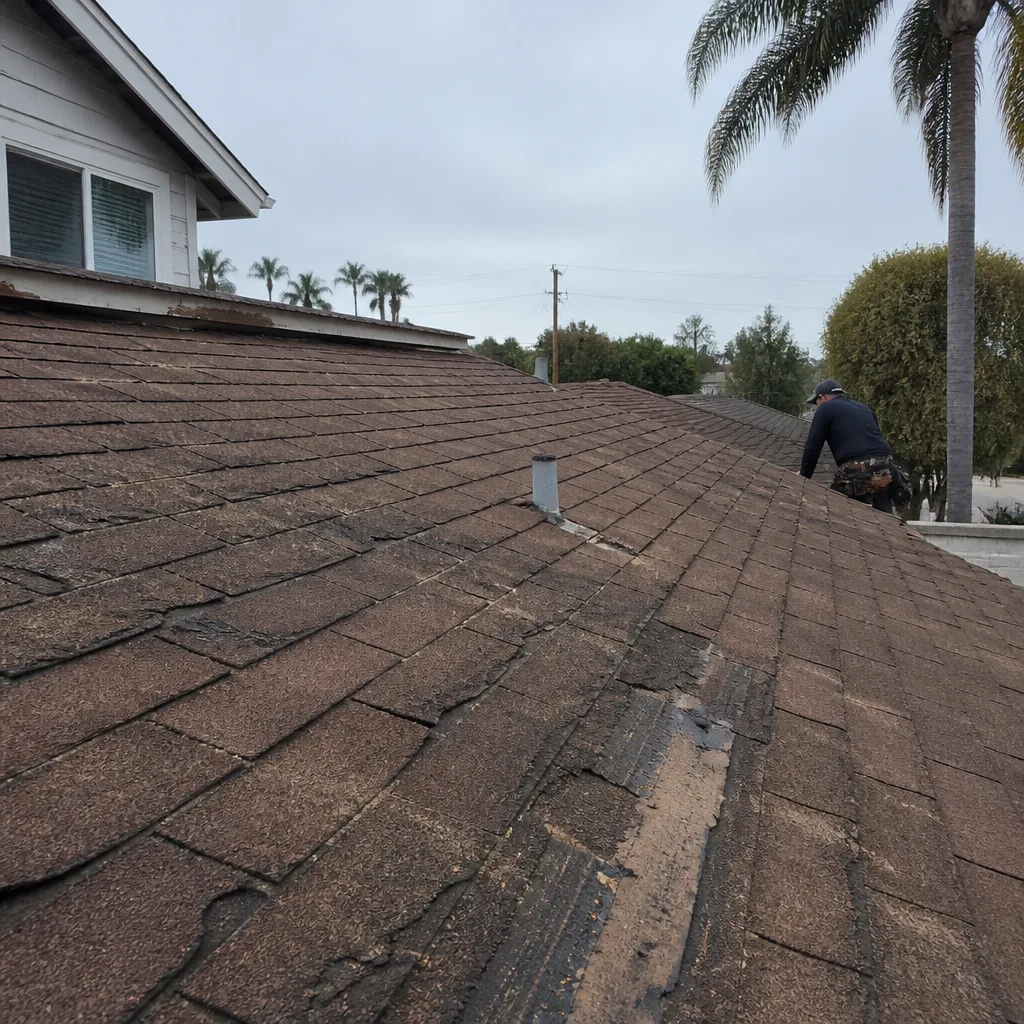
Composition shingle roofs fail differently. Shingles age, granule surfaces wear away, and the asphalt matrix dries and cracks. Wind damage on shingle roofs typically lifts shingle tabs and tears them at the fastener line, which creates an immediate leak path. The emergency response is to secure the lifted shingles with a tarp and schedule a repair or replacement depending on the roof’s age and condition. A shingle roof near the end of its service life that loses a dozen tabs to wind is probably a replacement candidate, not a repair candidate, and an honest roofer will tell you that.
Flat and low-slope roofs are the third scenario. These roofs, common on Westminster’s mid-century builds, don’t shed water the way pitched roofs do. Their vulnerability is ponding and drain blockage. When a flat roof’s drains clog during the kind of heavy December rain Westminster gets, the water sits, finds a seam or penetration, and enters the building. The emergency response starts with clearing the drains, because no tarp will matter if the water can’t leave the roof surface. Then the membrane is patched or, if the roof is old, replaced.
Here’s the point that connects all three: your roof material determines the right temporary response and the right permanent fix, and a roofer who only works with one material will give you a one-size-fits-all answer. Select Roof Repair works across the full material spectrum, including products from GAF, CertainTeed, and Owens Corning, which means our recommendations are driven by what your roof actually needs, not by what we happen to stock.
After the Emergency: From Tarp to Permanent Fix
Once the tarp is on and the immediate crisis is contained, Westminster homeowners face the real decision: repair or replace. This is where a clear, honest diagnosis matters more than ever, and it’s where the pressure to make a quick choice is highest.
Most emergency roof damage falls into one of three categories:
- Isolated damage: A handful of displaced tiles, a single flashing joint, one penetrations. The correct fix is a targeted repair, and it should cost hundreds of dollars, not thousands. A roofer who immediately recommends full replacement for isolated damage is padding the invoice, or they don’t have the skill to do a proper repair.
- Systemic failure: The roof reached the end of its service life, and the storm simply exposed what was already failing. If your shingle roof is 22 years old and loses half its tabs in a wind event, repairs will be a losing game. Every storm will remove more, and you’ll pay for tarps and patches until you replace the roof anyway.
- The honest call: Sometimes the right answer isn’t obvious until a roofer gets on the roof and sees what’s underneath. We’ve opened up “minor” leaks in Westminster homes and found rot across half a deck, and we’ve seen dramatic looking damage that turned out to be three displaced tiles and a $450 fix.
This is the part of the process where a roofer’s incentives matter. A company that profits from replacement will tell you to replace. A company that profits from repair will tell you to repair. A roofer who does both, with no financial stake in which way the decision goes, can tell you the truth. That’s the Select Roof Repair model: repair when it makes sense, replace when it doesn’t, and start with an inspection either way.
Your tarp is a clock. It’s not permanent, and every day it sits on your roof is a day your home is vulnerable. In Westminster’s dry season, that clock is forgiving; in the rainy months, it’s not. We recommend scheduling the permanent fix within two weeks of the emergency, and sooner if rain is in the forecast. The right material for your roof, not ours, determines what that fix looks like.
Common Mistakes to Avoid
- Calling the first number in a search results page. Storm chasers buy ads that surface during emergencies. They know you’re panicked, and their pricing reflects that. Pre-vet a roofer now, save the number, and don’t make this decision at midnight.
- Assuming “no visible damage” means no damage. Westminster’s Santa Ana events and light seismic activity often cause damage that’s invisible from the ground. A tile shifted a half inch is a future leak, not a current fall.
- Filing an insurance claim before knowing the repair cost. If your deductible is higher than the repair, filing a claim costs you money in the long run. A roofer’s estimate should come first.
- Using a hardware store tarp and hoping it holds. Lightweight tarps from big-box stores shred in Westminster’s wind within days. A proper emergency tarp is 6-mil or thicker and anchored along all edges. If you’re tarping, do it once and do it right.
- Ignoring the interior water path. Water enters the roof, travels along framing, and drips far from the entry point. Patching the interior stain without tracing the water path back to the actual entry guarantees repeat leaks.
- Delaying the permanent repair. A tarp is temporary by design. The longer it sits, the more weather it sees, and the more likely you are to face a second emergency before the first one is resolved.
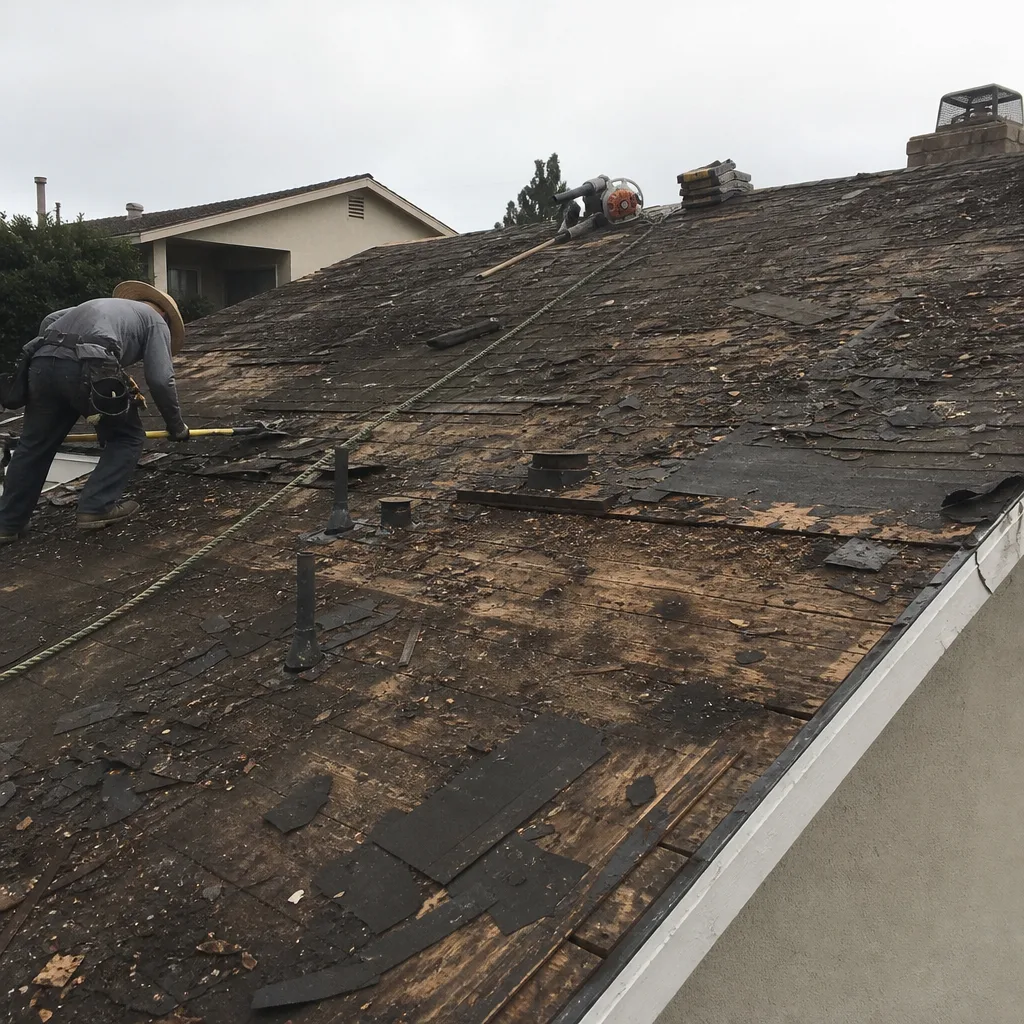
See the difference
 Before
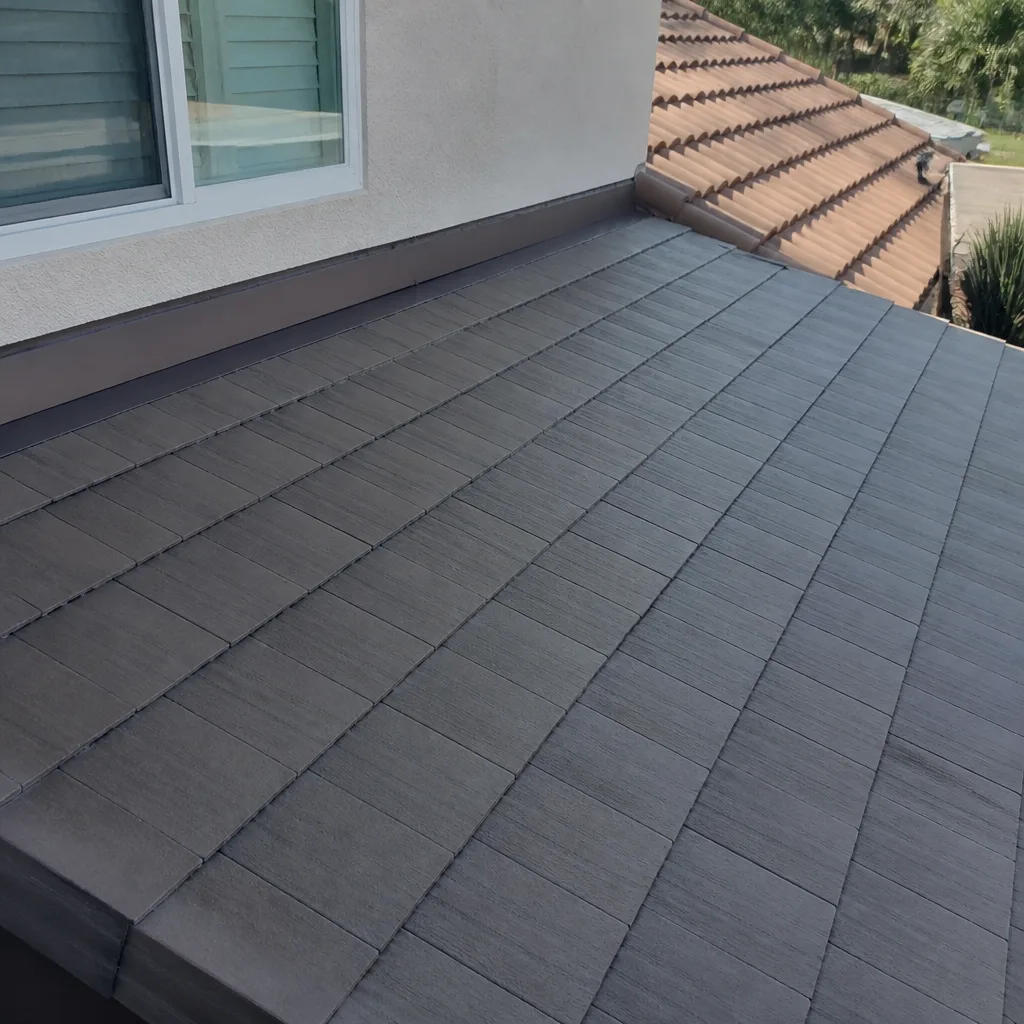 After
 Before
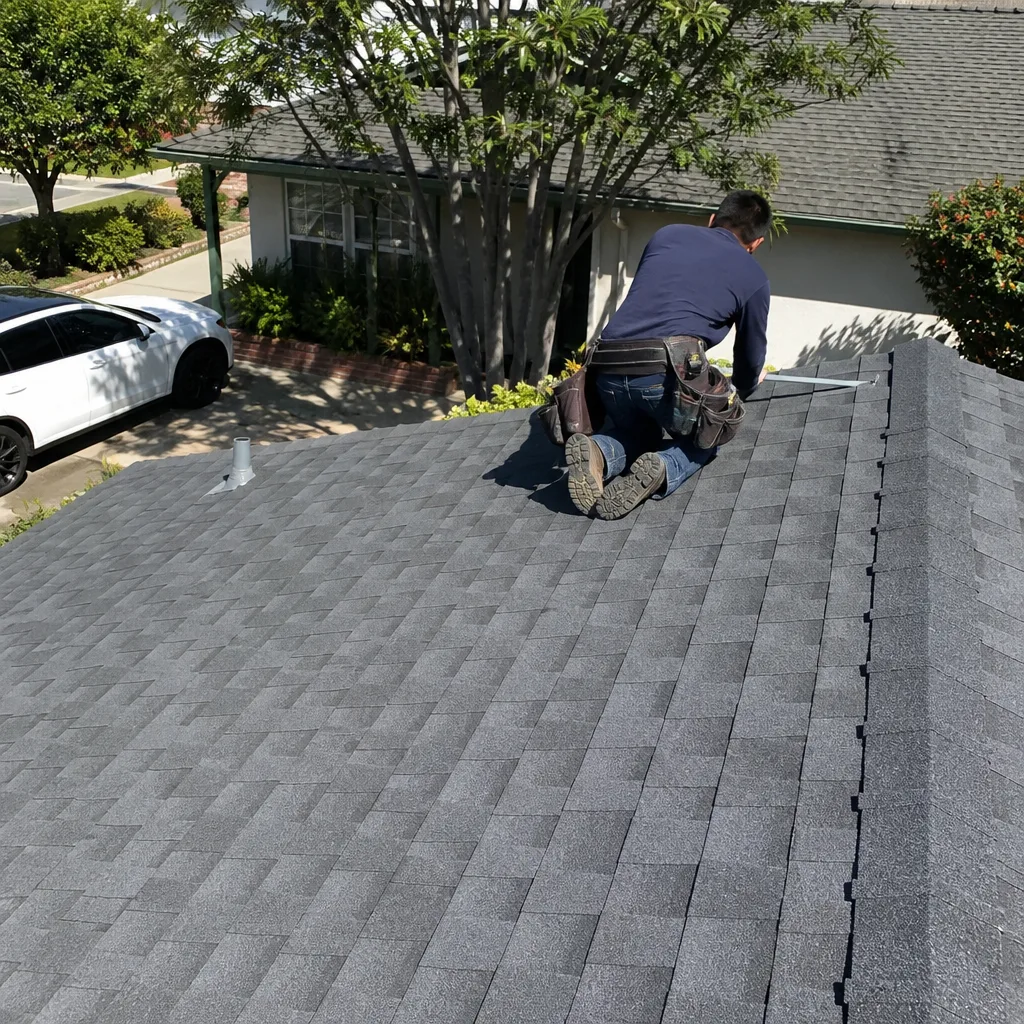 After
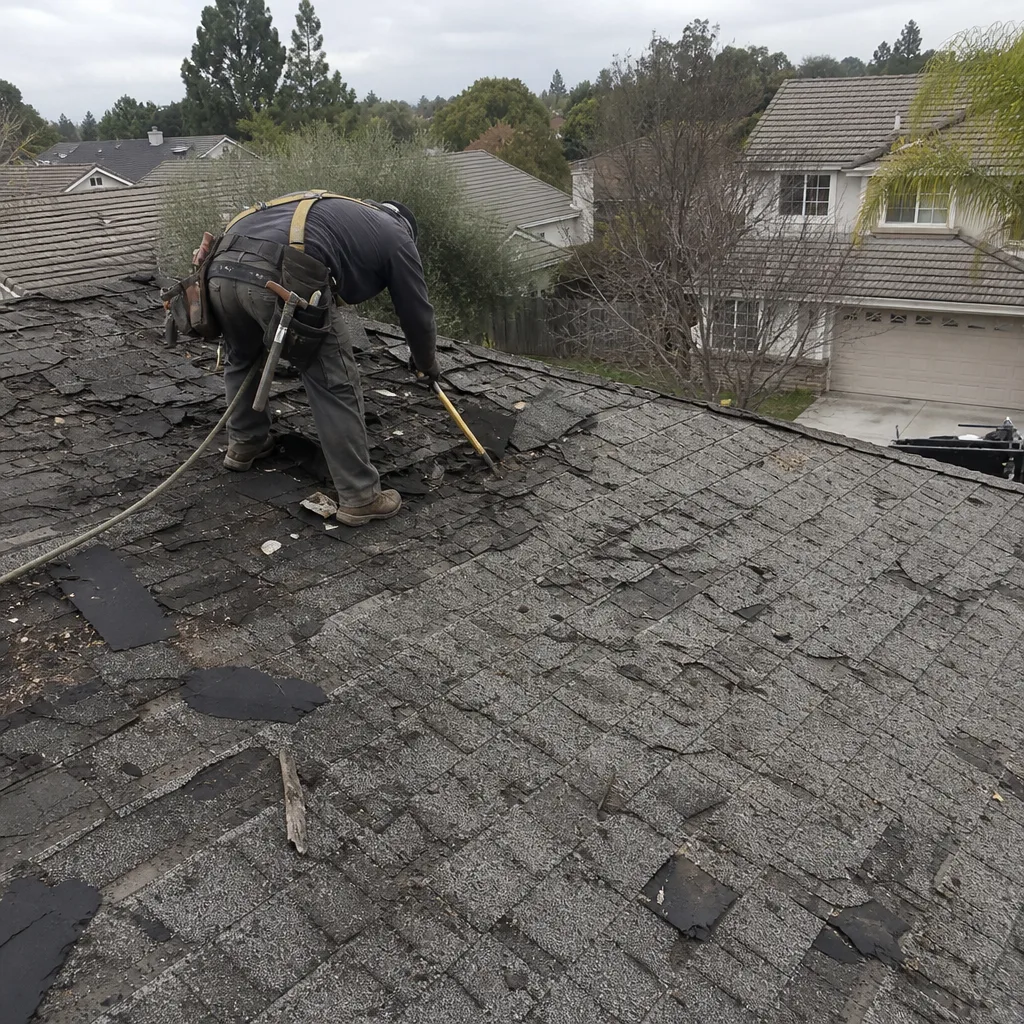 Before
 After
When to Call a Professional
Concrete tile roofs should never be walked on by homeowners. The tiles crack under foot traffic, and the fall risk on a wet roof is real. If you have displaced tiles, visible underlayment, or a leak you can’t trace to a specific point, call a roofer. Shingle and flat roof homeowners can safely inspect from the ground or a ladder at the eave, but anything requiring roof access during or after a storm should be left to a licensed contractor. Select Roof Repair offers free estimates in Westminster, and we’re happy to assess any emergency situation with no obligation. Call (855) 382-0485.
Frequently Asked Questions
Emergency roof tarping in Westminster typically costs $400 to $900 for a licensed contractor, depending on the size of the damaged area and roof accessibility. Unlicensed crews often charge $1,200 to $2,500 for the same work, which is why pre-vetting a roofer before an emergency saves money. Call (855) 382-0485 for an exact quote.
Contain the water first: move valuables, place a container under the leak, and shut off electricity to the affected area if water is near outlets or fixtures. Then document the damage with photos and call your pre-vetted roofer. The documentation matters for your insurance claim, and the pre-vetted roofer matters for your wallet.
Yes. Santa Ana wind events regularly produce gusts of 50 to 65 mph in Westminster, which is enough to lift concrete tile ridges, displace shingles, and tear flashing. The damage often isn’t obvious from the ground, so a professional inspection after major wind events is the prudent move.
Homeowners insurance generally covers sudden, accidental storm damage, including wind and rain intrusion, minus your deductible. The key to coverage is documentation: photos of the damage, your roofer’s written assessment, and evidence that your roof was sound before the event. Pre-existing wear and tear is typically excluded, which is why a pre-storm roof inspection report is so valuable. Call (855) 382-0485 for an assessment before you file.
A properly installed emergency tarp can protect your roof for several weeks, but it’s not designed as a permanent solution. Wind, rain, and UV exposure degrade the tarp over time, and each weather event weakens the seal. In Westminster’s climate, we recommend scheduling the permanent repair within two weeks of the emergency.
No. Concrete tiles crack easily under foot traffic, and a homeowner walking on a tile roof can cause more damage than the original storm. Roof access on any material should be left to a professional with proper training and safety equipment. A ground-level visual inspection plus an attic check is all a homeowner should attempt. Select Roof Repair offers free estimates in Westminster, so checking is easy: call (855) 382-0485.
The Bottom Line
Roofing emergencies in Westminster are predictable in their causes and manageable in their responses, but only if homeowners prepare before the water starts coming through the ceiling. A pre-storm roof profile, a one-page emergency reference card, and a pre-vetted roofer’s number saved in your phone convert a panic situation into a controlled process. The professionals at Select Roof Repair are Westminster’s roofing-only specialists, working across seven manufacturer brands so our recommendations match your home’s needs, not our inventory. Start with an inspection, know what you have, and when the storm comes, you’ll know what to do. Select Roof Repair home.
Written by the team at Select Roof Repair, serving Westminster since 2018.