
Last updated October 30, 2026
 Metal roofing
 Architectural shingles
 Tile roofing
 GAF
 Owens Corning
 Flat & low-slope
Free roof inspection with deck photos before we talk money - GAF and Owens Corning certified installation
Seasonal Roofing Care for Westminster: Year-Round Homeowner’s Guide
The cheapest roof repair in Westminster is always the one done in September, before Santa Ana season loads the wind stress, while sealants are still pliable enough to cure properly in moderate temps. Most homeowners here treat roof care as a single annual checkup, but Westminster doesn’t have four roofing seasons. It has three distinct stress periods: Santa Ana winds in the fall, winter storm bursts, and the prolonged UV-plus-marine-layer grind of summer. This guide breaks the year into those real events so you can catch problems when intervention costs the least, not after a 60 mph gust has already peeled a ridge cap loose.
Styles & brands we work with
Quick Answer
Seasonal roof care in Westminster means preparing for Santa Ana winds each September, responding to winter rain events between December and March with ground-level assessments, and managing UV-driven sealant degradation on south and west-facing planes through the summer. A professional inspection is best scheduled in spring when temperatures are moderate, while sealant work should stay within the September window for proper curing. The most cost-effective year-round strategy is preventative: catch loose ridge caps, cracked pipe boot collars, and degraded sealant before they become leak points.
Table of Contents
- Why Westminster’s Climate Demands a Different Roofing Calendar
- Pre-Santa Ana Season Prep (September-October)
- Winter Rain-Event Response (December-March)
- Summer UV Management (May-September)
- Why Spring Is for Inspection, Not Sealant
- Month-by-Month Quick Reference Calendar
- Common Mistakes to Avoid
- When to Call a Professional
- Frequently Asked Questions
- The Bottom Line
Why Westminster’s Climate Demands a Different Roofing Calendar
Westminster sits in a microclimate that doesn’t match the broader Orange County reputation for mild, uneventful weather. The city gets roughly 13 inches of rain per year, but it arrives in concentrated bursts between December and March, often with enough intensity to expose weaknesses that months of dry weather have hidden. Then there’s the Santa Ana season, where wind gusts regularly exceed 50 mph and can hit 70 mph in exposed areas of Westminster, particularly neighborhoods east of the 405. And from May through September, the marine layer burns off by mid-morning and leaves south and west-facing roof planes under relentless UV exposure, with surface temperatures that climb well past 140°F on composite shingles.
Those three stress periods operate on different failure mechanisms. Santa Ana winds apply mechanical stress, physically lifting and peeling materials. Winter rain exploits whatever gaps the wind created and adds hydrostatic pressure to existing weak points. Summer UV doesn’t fail a roof all at once, it degrades sealants and accelerates granule loss so the next wind or rain event does the failing. When you understand that sequence, the timing of your roof care stops being arbitrary and becomes a response to how Westminster weather actually works.
This guide is written from years of inspecting and repairing roofs across Westminster, from the older neighborhoods north of Bolsa Avenue to the newer developments near the Westminster Mall. We’ve seen the same patterns repeat: loose ridge caps after the first big Santa Ana, pipe boot collar cracks that leak during February storms, and sealant that turns brittle and pulls away from flashing on west-facing walls by August. None of these failures are random. They’re predictable, which means they’re preventable.
Pre-Santa Ana Season Prep (September-October)
Santa Ana winds in Westminster are most destructive between late September and November, with October being the peak month. These are the winds that snap tree branches, send patio furniture airborne, and load roofs with sudden, sustained uplift forces that most other Southern California cities rarely experience. Your roof’s ability to survive Santa Ana season depends on what you do before the first strong gust arrives, not on anything you can fix once the wind is already blowing.
The prep window is narrow and temperature-dependent. Sealants need surface temperatures between 50°F and 90°F to cure properly, and in Westminster that means September and early October are the last reliable windows before winter weather makes sealant application inconsistent. By mid-October, overnight lows drop enough that morning dew interferes with adhesion, and if you wait until November, you’re applying sealant to a roof that’s already been through the first wind events of the season.
Here’s what to address before Santa Ana season, ranked by how frequently we see failures in Westminster:
- Ridge caps and hip caps. These are the most common Santa Ana casualties. The wind catches the exposed edge and works it loose over time, especially on older roofs where the original adhesive has dried out. A loose ridge cap becomes a projectile in 60 mph gusts and exposes the ridge line to water intrusion during the next rain.
- Pipe boot collars. The rubber collar around plumbing vents degrades from UV exposure and splits at the base, but the split doesn’t always leak until wind-driven rain forces water sideways into the gap. Check for visible cracking or a chalky, brittle texture.
- Gutter attachment points. Gutters act as wind scoops during Santa Ana events. If the fasteners are loose or the hangers are spaced too far apart, the entire gutter can pull away from the fascia and tear off sections of drip edge with it.
- Loose flashing at walls and chimneys. Wind-driven rain in Westminster often comes at a sharp angle. Flashing that’s slightly lifted or missing sealant at the top edge allows that angled water to get behind it, which is a leak that won’t show up until the first heavy winter rain.
- Overhanging tree branches. A branch that’s been fine all summer becomes a sweeping, scratching hazard in Santa Ana winds. Anything within three feet of the roof line should be trimmed back before October.
For most of these items, a ground-level visual check with binoculars will tell you whether a closer look is warranted. You’re looking for lifted edges, visible gaps, missing granules, or anything that moves when the wind blows. If you see something suspicious, that’s when to call a roofing contractor for a proper assessment, not when to get out the ladder yourself. A fall from a roof is a life-changing injury, and it’s not worth the cost of avoiding a professional inspection. Our Roof Inspection in Westminster page walks through exactly what a professional assessment covers, and it’s a standalone service, no repair or replacement purchase required.
Winter Rain-Event Response (December-March)
Westminster’s rain comes in bursts. The city might go six weeks without a drop, then get two inches in 48 hours. These infrequent but intense events are what cause roofs to leak, because the dry weeks allow small issues to develop unnoticed, and the sudden downpour pushes water into every gap at once. The key to responding to Westminster’s rain events is knowing that your job after the storm is assessment, not immediate repair, and that assessment should start from the ground.
Here’s the post-rain assessment sequence we recommend for Westminster homeowners:
- Start inside before you go outside. Check ceilings and walls for water stains, especially in rooms directly under roof penetrations like vents and chimneys. A fresh leak in Westminster often shows up as a slightly darker patch on the ceiling within 24 to 48 hours of the rain event, before it dries and leaves a permanent stain.
- Check the attic during daylight hours. Turn off any lights and look for daylight visible through the roof deck. Check for damp insulation, dark staining on rafters, or a musty smell that wasn’t there before the storm.
- Walk the perimeter of the house at ground level. Look for missing shingles in the yard, sections of gutter that are sagging or detached, and any debris that clearly came off the roof rather than out of the trees.
- Use binoculars to inspect roof penetrations. The pipe boot collars, chimney flashing, and ridge caps take the most punishment from wind-driven rain. Look for anything that’s shifted, lifted, or visibly damaged since your last look.
- Document what you find. Take photos with your phone, even if you’re not sure something is a problem. The next rain event depends on what happened in this one.
If you find evidence of water intrusion, try to identify the likely entry point from inside the attic, but don’t climb onto a wet roof to investigate further. Wet shingles are slippery, and the last thing you need after a leak is a fall. Mark the location as best you can, place a bucket under any active drips, and call a professional. The repair work itself is straightforward for someone who does Roof Repair in Westminster regularly, but diagnosing the true entry point often requires experience. Water travels along roof deck seams and framing before it finally shows up on your ceiling, and the visible stain is frequently six to ten feet from the actual penetration.
Summer UV Management (May-September)
From late spring through early fall, Westminster sits under a particular combination of conditions that accelerates roof material degradation faster than most homeowners realize. The marine layer rolls in overnight and burns off by mid-morning, which means roof surfaces spend the early hours damp with condensation, then bake in direct sun for the rest of the day. That daily wet-dry cycle, repeated for five months, is what causes sealants to crack and pull away from flashing faster in Westminster than in inland cities that stay dry all day.
The planes that take the worst beating are the south and west-facing slopes. Those are the surfaces that get the most direct afternoon sun after the marine layer clears, and they’re the first place sealant failure shows up. The signs are visible from the ground if you know what to look for:
Sealant degradation: Sealant around flashing, vents, and skylights should look uniform and flexible. When it’s failing, it develops hairline cracks that start small and widen through the summer. You’ll see the edges pull away from the surface it’s supposed to seal, creating a visible gap. By late August, failed sealant in Westminster often looks chalky and brittle, and it crumbles if you touch it. A roof that needs Roof Replacement in Westminster work often starts with this kind of sealant failure that was ignored for years.
Granule loss patterns: Composite shingles shed granules as they age, but UV exposure accelerates the process on south and west-facing planes. You’ll notice granules collecting in gutters below those slopes, or you’ll see the shingles developing a patchy, lighter appearance where the granules have worn thin. The shingle felt underneath is what UV breaks down next, and once that happens the shingle starts to crack and curl.
Pipe boot collar checking: The rubber boot around plumbing vents is one of the few roof components that’s directly exposed to UV on all sides. In Westminster, these collars typically fail on the sun-exposed side first. Look for radial cracks at the base of the rubber, or for the rubber to appear flattened and hardened rather than springy.
If you’re doing a summer visual check and you notice any of these signs, you have time to act before the winter rain season arrives. Summer is the right time to identify UV damage and schedule repairs for the fall window when sealant work will cure properly. What you don’t want to do is apply sealant during peak summer heat, when surface temperatures on a Westminster roof can exceed 140°F and cause the product to skin over before it bonds. That’s the most common DIY mistake we see, and it’s the kind of premature sealant failure that leads to leaks by February.
Why Spring Is for Inspection, Not Sealant
There’s a persistent myth in Westminster that spring is the right time to do everything on a roof, since the weather is mild and it’s comfortable to work. The reality is more nuanced: spring is the ideal window for a professional inspection, but it’s often the wrong time for sealant application and certain temperature-sensitive repairs.
Here’s the problem with spring sealant work. By the time March and April arrive in Westminster, the roof has been through the winter rain cycle, which means surfaces are still holding residual moisture even on days that feel dry. Sealant applied to a surface with any moisture content will fail to bond properly, and the result looks fine for a few weeks before it starts peeling away. By May, you’re into the daily marine layer condensation cycle, which creates the same problem in the early morning hours. The reliable sealant window in Westminster runs from about mid-April through October, but only if you’re working in the afternoon after surfaces have dried. Most professionals schedule sealant work for the fall because that’s when both temperature and moisture conditions align most consistently.
Spring inspection, on the other hand, makes perfect sense for one simple reason: it gives you the full summer and fall to address whatever the inspection finds before the next winter rain season. A March inspection that identifies failed sealant, a cracked pipe boot, or loose flashing means you can schedule repairs for the fall window when conditions are right. An inspection in October that finds the same issues leaves you with very little runway before the weather turns.
That’s also why we recommend treating inspection as its own service, separate from any repair or replacement decisions. The goal is to know what’s happening on your roof, not to be pressured into work you don’t need. Our Select Roof Repair home page goes over that approach in more detail, but the short version is this: start with an inspection, then decide. A residential roof in Westminster might have another eight to ten years of life with a few targeted repairs, or it might be at the point where replacement is the smarter financial move. You won’t know until someone actually looks at the entire roof surface, not just the areas that are visibly problematic from the street.
Month-by-Month Quick Reference Calendar
Here’s a working calendar for Westminster homeowners who want to stay ahead of seasonal roof stress without spending half their weekends on the ladder. Tasks are marked DIY-safe for ground-level work using binoculars, or Contractor-required for anything that involves getting on the roof surface, working on steep slopes, or applying sealant that needs specific curing conditions.
| Month | Primary Task | Access Level | Why This Month |
|---|---|---|---|
| January | Post-rain attic inspection for leaks and staining | DIY-safe | Winter rains reveal active leak points |
| February | Check gutters and downspouts during rain events | DIY-safe | Peak rain month in Westminster |
| March | Schedule professional roof inspection | Contractor-required | Spring window for full assessment before summer |
| April | Review inspection report, plan repairs for fall | DIY-safe | Time to budget for identified issues |
| May | Document UV damage on south and west planes | DIY-safe | Marine layer + UV cycle starts stressing sealants |
| June | Check pipe boot collars for cracks | DIY-safe | UV exposure intensifies through the month |
| July | Monitor granule accumulation in gutters | DIY-safe | Peak granule loss visible on south/west slopes |
| August | Check flashing and sealant integrity | DIY-safe | Last check before Santa Ana prep window opens |
| September | Schedule sealant and flashing repairs | Contractor-required | Optimal curing temps before Santa Ana season |
| October | Clear loose materials, secure ridge caps | Contractor-required | High Santa Ana risk month in Westminster |
| November | Trim overhanging branches | DIY-safe with proper tools | Santa Ana damage prevention |
| December | Clear gutters before first major rain event | DIY-safe with ladder safety | Winter rain bursts begin |
This calendar isn’t meant to be rigid. The point is to show how roofing tasks in Westminster cluster around specific weather events, and how the timing of each task matters as much as the task itself. A pipe boot check in October catches what summer UV did, but it’s too late to schedule sealant work for ideal curing conditions. A March inspection gives you a map for the rest of the year. A November gutter clearing protects against December’s first heavy rain.
Common Mistakes to Avoid
- Applying sealant in summer heat. In Westminster, roof surface temperatures hit 140°F and above between June and September. Sealant applied in those conditions skins over and fails to bond, which means it’s already failing before the winter rains arrive. Wait for the fall window.
- Ignoring the south and west planes. Every roof has the same aging pattern in Westminster: the sun-facing slopes degrade first. If you only check the side of the roof visible from the street, you’re checking the wrong side half the time.
- Climbing onto a wet roof after a rain event. Wet composite shingles are slippery, and the angle of a typical Westminster roof is more than enough to cause a serious fall. Post-rain assessment should happen from the ground and from inside the attic.
- Waiting until a leak appears to think about roof maintenance. By the time water is visible on a ceiling, the roof has been compromised for months. The leak is just the point where the problem became impossible to ignore.
- Treating inspection as a sales pitch to be avoided. A professional roof inspection in Westminster costs far less than the average repair that follows a missed problem. The inspection is the only way to catch UV degradation and wind damage before they turn into water damage.
- Making structural fixes during Santa Ana season. If a ridge cap comes loose in October and the wind is already blowing, the right move is to secure it temporarily and wait for a calm window. Trying to work on a roof in sustained 40 mph gusts is dangerous and makes the repair less reliable.
- Assuming a newer roof doesn’t need seasonal attention. We’ve inspected five-year-old roofs in Westminster that had failed pipe boot collars and separated flashing, while 20-year-old roofs with consistent seasonal maintenance were still performing. It’s about the conditions, not the age.
When to Call a Professional
Some roof issues in Westminster can be monitored from the ground, but most interventions require professional equipment, safety gear, and specific product knowledge. Call a contractor when you see a lifted or missing ridge cap after a wind event, any visible split or cracking in a pipe boot collar, sealant that’s pulling away from flashing around walls or chimneys, granules accumulating heavily in gutters below south or west-facing planes, or water staining on any ceiling or attic surface after rain. These are not cosmetic issues, and the cost of professional attention is a fraction of what interior water damage will run.
Select Roof Repair offers free estimates in Westminster. Call (855) 382-0485 and we’ll assess the problem honestly, recommend repair if that’s what makes sense, and discuss Roof Replacement in Westminster only when the numbers say replacement is the smarter long-term investment. Seven leading brands give us the flexibility to match the product to your home and budget, not to whatever inventory happens to be in the warehouse.
Frequently Asked Questions
Seasonal roof maintenance in Westminster typically runs between $200 and $500 per visit for targeted work like resealing flashing, securing loose ridge caps, and replacing a pipe boot collar. A comprehensive inspection as a standalone service is generally $150 to $350 depending on roof size and accessibility. The cost of deferred maintenance is significantly higher: a water-damaged ceiling repair commonly exceeds $1,500, and that’s before addressing the roof itself. Call (855) 382-0485 for a line-item quote based on what your roof actually needs.
March and April are the best months for a roof inspection in Westminster because the winter rain season has exposed any active leak points, and you still have the full summer and fall to schedule repairs before the next rain cycle. A spring inspection also avoids the peak UV months when sealant issues are developing rather than fully visible, and it gives you budget runway if the inspection finds significant work.
Yes, the marine layer contributes to faster sealant degradation in Westminster by creating a daily condensation cycle on roof surfaces. The overnight moisture rehydrates flexible sealants and then the midday sun bakes them dry, which accelerates the cracking and pulling-away process that eventually creates leak points. This is why south and west-facing planes in Westminster often show sealant failure years before the same materials fail on north-facing slopes.
Ground-level inspections using binoculars are safe and useful for monitoring seasonal changes, but any repair that requires walking on the roof surface should be left to a professional. Steep slopes, slippery granules, and the specific hand-tool techniques for proper sealant and flashing work mean the risk of injury and the risk of doing the job wrong are both high. The type of work we do on Roof Repair in Westminster involves safety equipment and material knowledge that aren’t part of a typical homeowner’s tool kit.
You should do a ground-level visual check at least four times per year in Westminster: once in September before Santa Ana season, once after the first major winter rain, once in March or April to assess winter damage, and once in August to check UV degradation before the fall window. Each check should take no more than 20 minutes and should focus on ridge caps, pipe boots, flashing, and granule accumulation in gutters.
Repair addresses a specific, localized problem like a failed sealant joint, a cracked pipe boot, or loose flashing, and it extends the life of the existing roof. Replacement becomes the right call when the underlying roof materials have aged to the point where repairs would be frequent, unpredictable, and more expensive than replacing the roof now. The decision comes down to the condition of the entire roof surface, which is why a full inspection is the most important step before committing to either path.
The Bottom Line
Westminster roofs fail on a predictable seasonal schedule: Santa Ana winds in the fall expose mechanical weaknesses, winter rain bursts turn those weaknesses into leaks, and summer UV accelerates the degradation that sets up the next failure cycle. The homeowner who understands that sequence can time their attention to the moments that matter most: sealing before the winds, assessing after the rains, inspecting before the summer, and preparing before the fall. It’s not about more work. It’s about doing the right work in the right month, and knowing when a professional needs to take over. Start with an inspection, then decide, and you’ll spend less on roofing over the life of your home in Westminster than the homeowner who reacts to every surprise.
Written by the team at Select Roof Repair, serving Westminster since 2018.
See the difference
 Before
 After
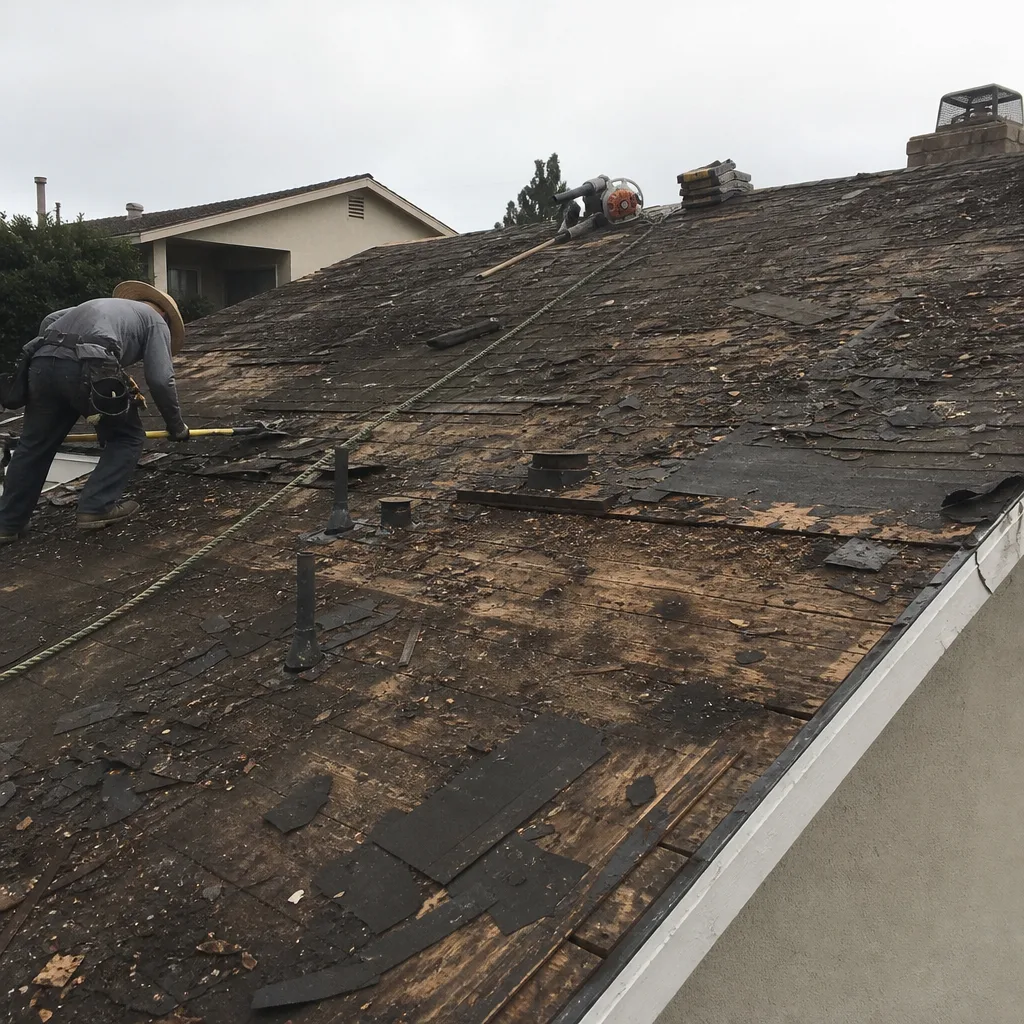 Before
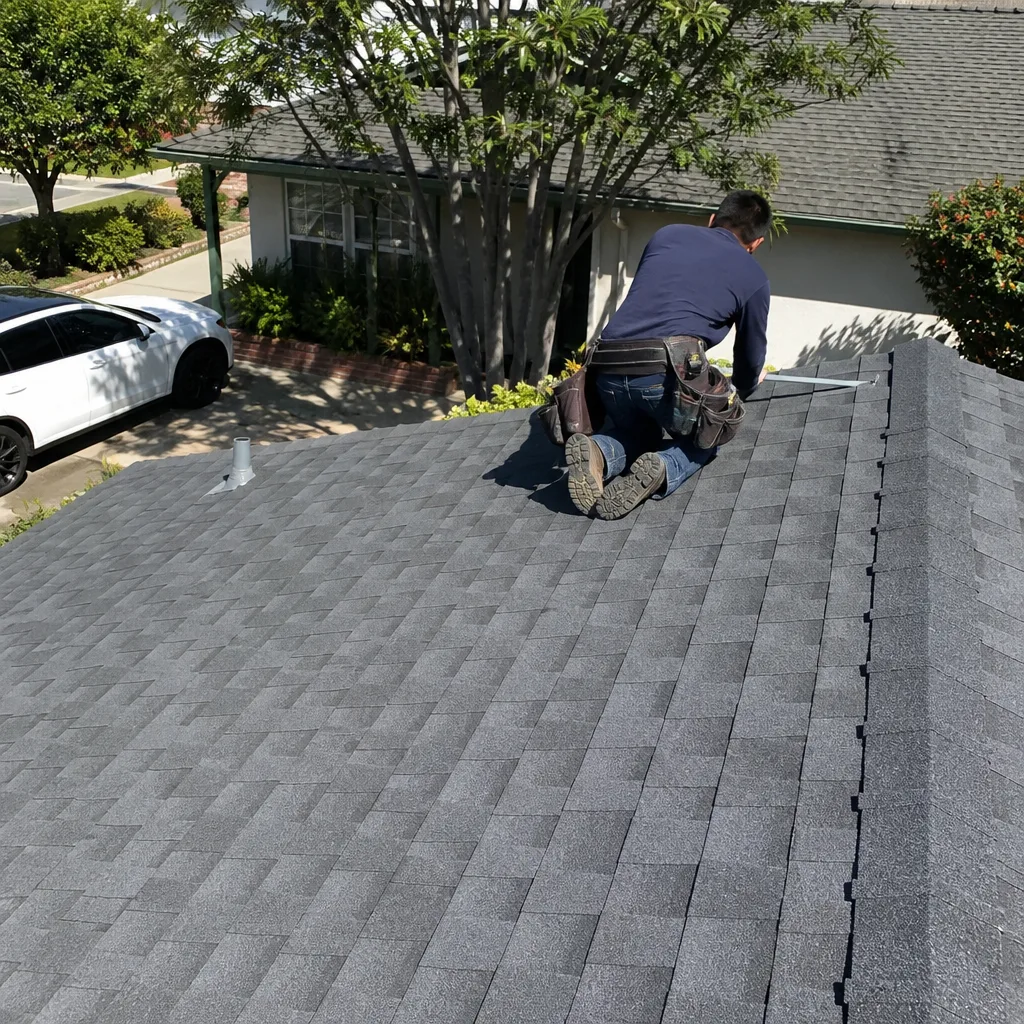 After
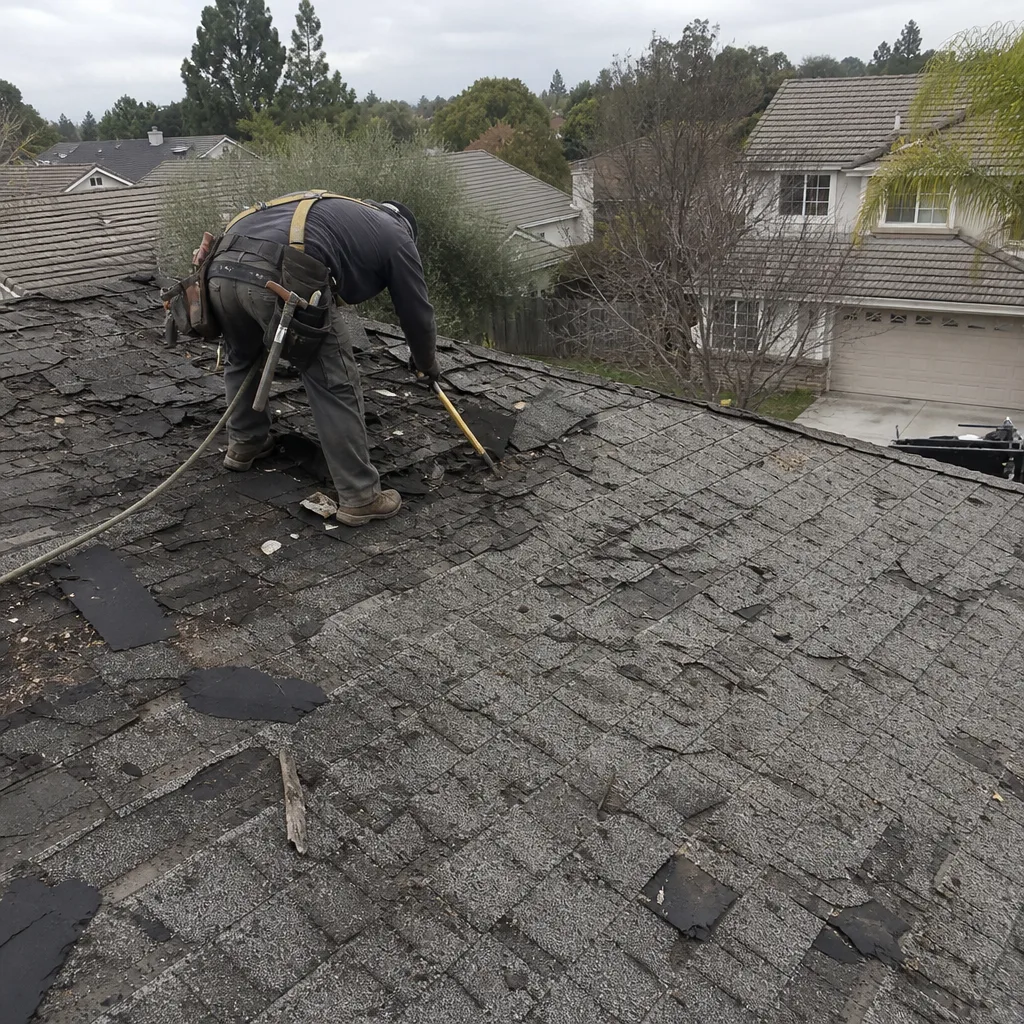 Before
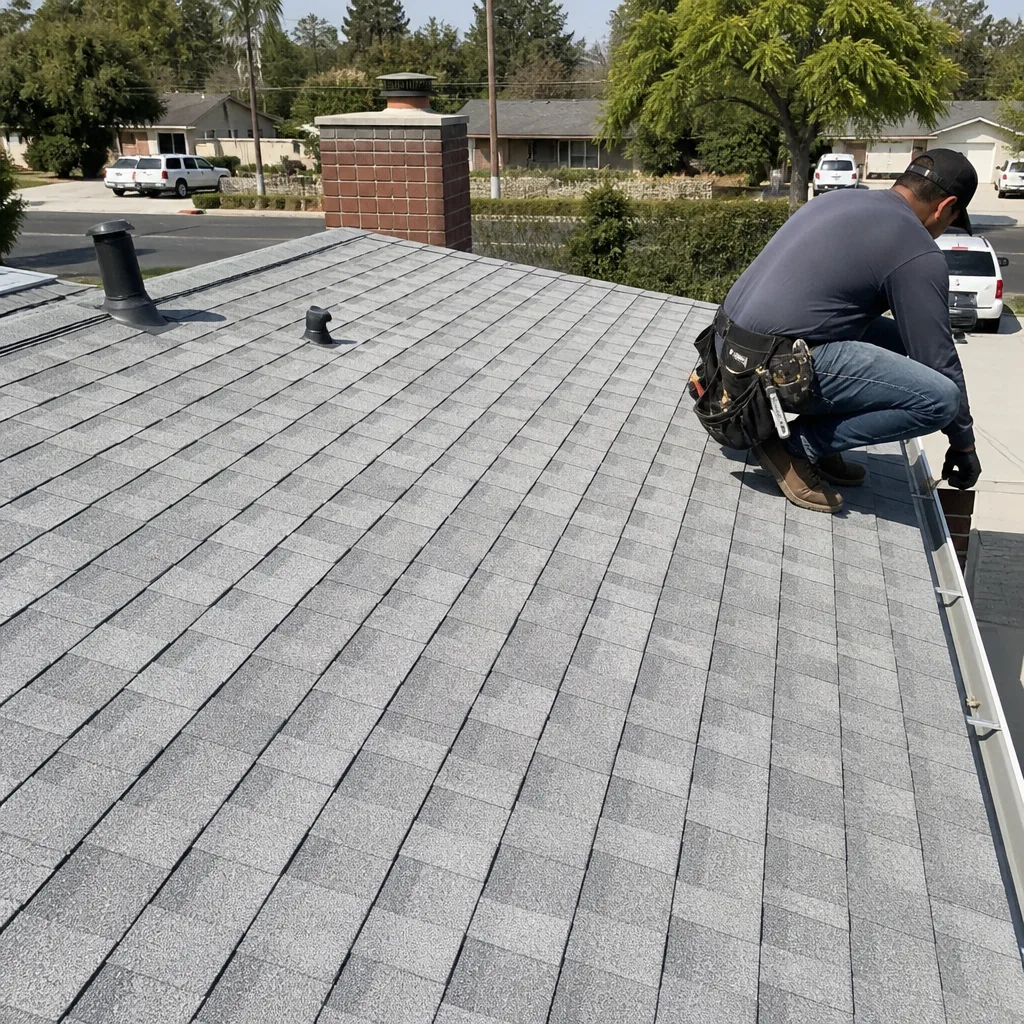 After