
Last updated October 30, 2026
 Architectural shingles
 Metal roofing
 Tile roofing
 GAF
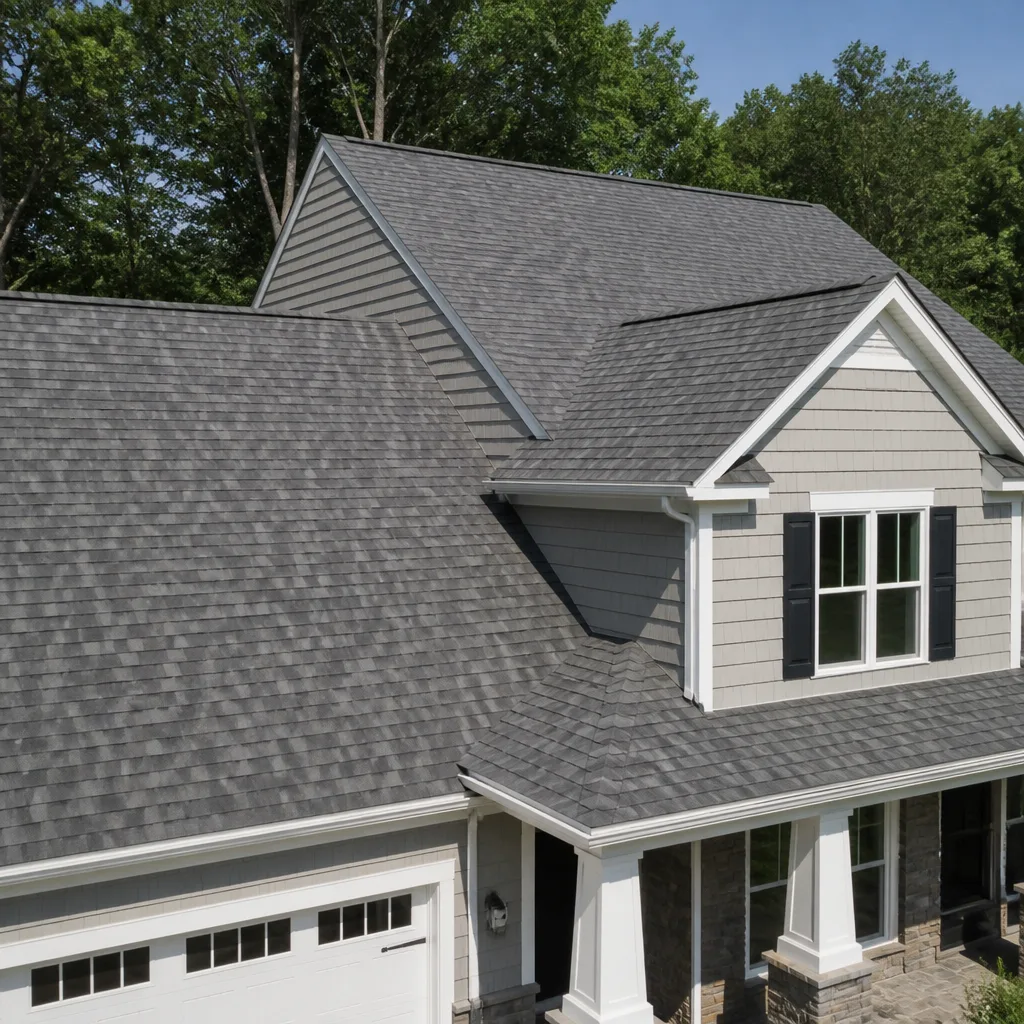 Owens Corning
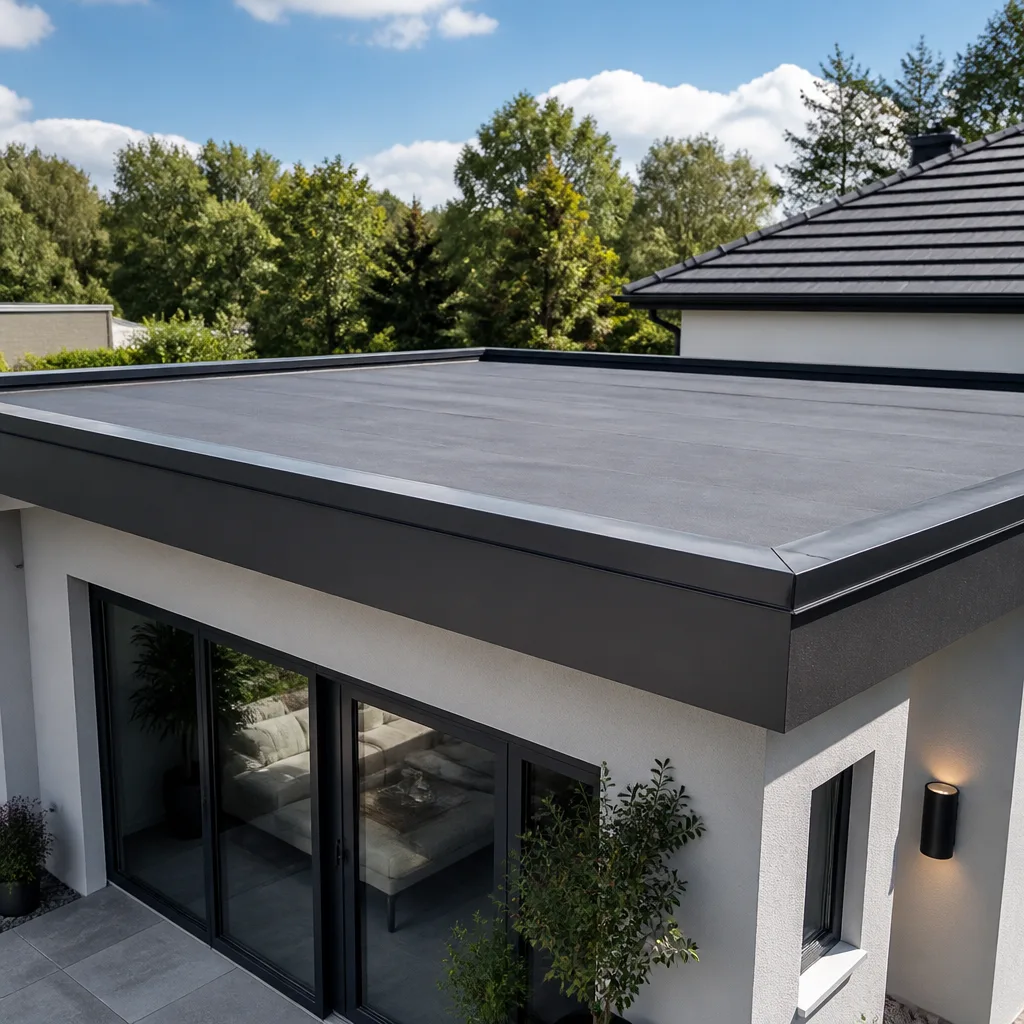 Flat & low-slope
Free roof inspection with deck photos before we talk money - GAF and Owens Corning certified installation
Roof Repair Troubleshooting: Common Problems and How to Fix Them
A brown ceiling stain directly under your skylight almost never means the skylight is leaking, and replacing that flashing first is one of the most expensive wrong moves in residential roofing. Water travels. It runs sideways along rafters, pools on top of drywall, and drips out ten feet from where it actually entered. This guide teaches you to work backward from the symptom you can see to the defect you can’t, the way a specialist does. We’re writing this from Westminster, where hot attic summers and occasional heavy rain create a specific set of failure patterns we see every week. By the end, you’ll know which roof problems are real emergencies, which are cosmetic, and how to tell the difference before you spend a dollar.
Styles & brands we work with
Quick Answer
Roof repair troubleshooting starts with tracing a visible symptom like a ceiling stain, lifted shingle, or gutter granules back to its actual source, which is often several feet away from where the damage shows. Most common roof problems fall into five categories: flashing failures, shingle adhesive breakdown, ventilation problems, storm damage, and installation defects. A roof inspection by a specialist is the fastest way to confirm the diagnosis, but this guide gives you the tools to narrow down the cause yourself before anyone climbs a ladder.
Table of Contents
- The Symptom-to-Source Map: Why Water Shows Up Where It Didn’t Enter
- The Five Most Misdiagnosed Roof Problems
- Installation Defects vs. Material Fatigue vs. Storm Damage
- Granule Loss in Gutters: The Leading Indicator of Adhesive Failure
- The Dry-Weather Attic Trace: A Two-Person Method
- Repair or Replace: How to Make the Call Without Bias
- Westminster-Specific Factors That Affect Roof Repairs
- Common Mistakes to Avoid
- When to Call a Professional
- Frequently Asked Questions
- The Bottom Line
The Symptom-to-Source Map: Why Water Shows Up Where It Didn’t Enter
Roof leaks are counterintuitive. The stain on your ceiling is the exit point, not the entry point. Water that gets through a small penetration in the roof decking travels along the topside of your drywall, follows the slope of a rafter, or drips onto insulation and spreads before gravity finally pulls it through. In Westminster homes with low-slope sections and composition shingle main roofs, we’ve traced leaks that entered at a plumbing vent boot near the ridge and surfaced as a stain above a kitchen window fifteen feet away. This lateral travel is the single biggest reason homeowners and even some contractors replace the wrong thing.
Here’s how water moves once it breaches the roof surface:
- Along rafter tops: Water hits the top chord of a truss or rafter and runs downhill along the wood, dripping off at a joint or knot hole nowhere near the entry point.
- Across the top of drywall: When water drips onto the backside of a ceiling, it pools and spreads horizontally before finding a seam or light fixture to emerge through.
- Through insulation channels: Batts of fiberglass create natural channels. Water follows the path of least resistance between batts and can travel surprisingly far before saturation forces a visible stain.
- Down wall cavities: On roof-to-wall intersections without proper step flashing, water can enter at the roofline and run down inside a wall cavity, showing up as baseboard damage or a stain near the floor.
The diagnostic rule we use is simple: you can never assume the leak is directly above the stain. You have to find the highest point of water entry on the roof plane above that area and investigate every penetration, seam, and transition from there upward. That is the difference between fixing a roof and guessing at one. A professional Roof Inspection in Westminster follows this exact methodology: water testing, attic tracing, and surface examination, in that order.
The Five Most Misdiagnosed Roof Problems
Some roof problems look like one thing and are actually another. Here are the five we see misread most often in Westminster, with the correct diagnostic test for each.
1. Ridge Vent Condensation Mistaken for Flashing Leaks
Water staining near the peak of a vaulted ceiling or on attic insulation directly under a ridge vent is usually condensation, not a leak. In Westminster’s climate, warm days followed by cool nights create the conditions for moist air to condense against the underside of a ridge vent, especially when bathroom or kitchen exhaust fans vent into the attic rather than through the roof. The test: check the stain pattern. Condensation stains are diffuse and spread over a wide area. Leak stains are concentrated, darker at the center, and often follow a single seam or penetration. If the staining is wide and even under the ridge, fix the ventilation and exhaust routing before touching the roof.
2. HVAC Boot Failures Blamed on Shingles
A leak that appears in a hallway or closet ceiling near the center of the house is frequently not a shingle problem at all. The rubber boot that seals the HVAC condenser line, furnace exhaust, or plumbing vent pipe degrades from UV exposure and heat cycling, cracking at the base where it meets the pipe. Shingles around it may look fine. The test: from the attic, look for daylight or water staining around the pipe penetration itself. If the shingles are intact but the rubber boot is cracked, chalking, or pulling away from the pipe, the fix is a new boot, not a roof repair. This is a $200 to $400 fix versus a multi-thousand-dollar shingle replacement, so getting it right matters.
3. Skylight Condensation Misread as Flashing Failure
Back to the hook that opened this guide: a stain directly under a skylight is more often condensation than flashing failure. In Westminster, homes with older single-pane skylights or skylights installed without insulated shafts sweat on the interior when attic heat meets the cooler glass surface. The test: wait for a rainstorm. If the stain appears or worsens during or immediately after rain, it’s likely a flashing leak. If it appears on cold mornings or humid days regardless of weather, it’s condensation. Replacing the skylight flashing without fixing the condensation issue just moves the problem and costs you thousands.
4. Attic Staining from Blocked Soffit Vents Labeled as “Roof Leaks”
Dark staining on attic sheathing near the eaves, especially on the north side of the house, is often the result of blocked soffit vents forcing moist attic air to condense on the underside of the decking. This gets called a roof leak by inexperienced eyes. The test: check whether the soffit vents are painted over, insulated over, or blocked by stored items. If staining is present but the shingles above are intact and there’s no daylight penetration, the roof isn’t leaking. The ventilation system is failing. Fix airflow before replacing shingles.
5. Valley Metal Wicking Mistaken for Torn Shingles
Valleys channel a lot of water in a Westminster rainstorm. When valley metal is corroded, hairline cracks can wick water sideways under shingles that look perfectly fine. Homeowners often see shingle granules in the gutter near a valley and assume the shingles are failing. The test: inspect the valley metal itself. If it’s rusted through or the seams have opened up, the valley needs replacing, not the shingles around it. A Roof Repair in Westminster that includes valley replacement is often all that’s needed to stop the leak.
Installation Defects vs. Material Fatigue vs. Storm Damage
Every roof problem has an origin story, and the story matters because it determines how the repair should be done, who pays for it, and whether your insurance policy or the manufacturer’s warranty is involved. We separate them into three categories.
Installation Defects
These show up within the first few years after a roof is installed. Telltale signs include improper nail placement (nails too high on the shingle, overdriven, or underdriven), missing starter strips, lack of drip edge, insufficient overhang, or shingles installed over wet or uneven decking. Installation defects cause problems that look like material failure but actually trace back to the roofer’s hand. The fix is usually localized, but if the defect is systemic, such as every nail overdriven, the repair becomes a longer conversation. This is why manufacturer certifications and workmanship warranties matter. We install products from GAF, CertainTeed, Tamko, and Boral because their installation standards are explicit, and when a problem looks like a defect, the manufacturer’s technical rep will often inspect it with us.
Material Fatigue
Every roofing material has a service life. Composition shingles in Westminster’s sun and heat typically last 20 to 30 years depending on the product line. Material fatigue shows up as widespread granule loss, curling at shingle edges, brittleness when lifted, and cracking that isn’t localized to one area. Material fatigue is a roof-wide condition. Patching individual shingles on a fatigued roof is throwing money at a symptom. The honest answer at that point is usually replacement, which is exactly the kind of diagnosis a Roof Replacement in Westminster should be based on, not a sales pitch.
Storm Damage
Storm damage is event-driven and usually localized: a branch punctures a section, wind lifts shingles on one slope, hail bruises a particular exposure. Storm damage is where insurance claims live. If you can point to a date and a weather event, you’re likely in storm damage territory. The repair strategy is different: document everything, get a specialist’s written assessment, and file a claim with specific damage photos and a repair scope. We’ve helped Westminster homeowners sort through exactly this after wind events, and the key is a professional inspection that documents cause, not just effect.
Granule Loss in Gutters: The Leading Indicator of Adhesive Failure
Finding granules in your gutters is normal right after installation and again when a roof is old. What’s not normal is continuous granule accumulation on a roof that’s 8 to 15 years old. That’s a leading indicator that the shingle adhesive is breaking down.
Here’s why it matters. The ceramic granules on an asphalt shingle are not cosmetic. They protect the asphalt layer underneath from UV radiation, which is the primary aging agent in Westminster’s intense summer sun. When granules start sloughing off rapidly, it means the shingle’s asphalt is oxidizing faster than it should. Oxidized asphalt loses flexibility. Loss of flexibility means the shingle can’t accommodate thermal movement, which leads to cracking, which leads to water entry. It’s a chain reaction that starts in your gutter.
When to act:
- Gutter granules after every rain: This is accelerated wear. The roof needs a professional assessment now, not next year.
- Bald spots visible from the ground: Dark patches where granules are gone mean the asphalt is fully exposed. Those shingles are in the end stage.
- Granule loss localized to one slope: This often indicates a ventilation problem on that side of the attic, not a material problem. Fix ventilation first.
- Granule loss pattern follows a pipe or exhaust: Heat from an improperly insulated exhaust vent can cook shingles from underneath. The vent needs correction.
We work with materials from seven major manufacturers, which is relevant here because different shingle lines have different granule adhesion technologies. CertainTeed’s and GAF’s premium lines, for example, use different surfacing methods than Tamko’s or Boral’s. The right fix depends on which product is on your roof and why it’s failing, not on what’s easiest to stock.
The Dry-Weather Attic Trace: A Two-Person Method
You can narrow down a leak source before any contractor arrives, and you don’t need to climb on the roof to do it. This method works in dry weather and takes about 45 minutes with two people.
- Gather your tools: A bright flashlight, a moisture meter if you have one, a roll of painter’s tape, and a smartphone.
- Mark the stain from below: Person One stands in the room with the stain. Person Two goes into the attic with the flashlight. Person One taps on the stain with a broom handle. Person Two listens for the tap and marks the spot in the attic with painter’s tape. This transfers the ceiling location into the attic.
- Look up from the tape mark: Person Two now looks directly above the tape mark and then traces uphill along the roof decking. Water runs downhill, so the entry point is always at or above the point where it surfaced, never below it.
- Examine every penetration above the mark: Plumbing vents, exhaust vents, HVAC boots, skylight curbs, and roof-to-wall intersections. Look for daylight, dark staining on the wood, or a rusty nail that’s popped through the decking.
- Photograph everything: Even if you’re not sure what you’re looking at, clear photos help a roofing specialist pre-diagnose before the first visit. Good photos save time and sometimes save money.
- Do not move insulation with your bare hands and face: Fiberglass is an irritant. Use gloves and a mask, and disturb only what you need to.
This dry-weather trace gives you a head start, but it doesn’t replace a full inspection. Roof leaks in Westminster often involve multiple entry points, and what you identify in the attic is only one part of the picture. The surface examination matters too, which is why we treat a standalone Roof Inspection in Westminster as a legitimate service, not a loss leader for a sales pitch.
Repair or Replace: How to Make the Call Without Bias
The question every homeowner asks eventually: can this be repaired, or does the roof need to be replaced? Most of the time, there’s an honest answer that doesn’t require pushing anyone toward a bigger ticket.
Repair makes sense when:
- The damage is localized: one valley, one flashing detail, one small section of shingles, one vent boot.
- The roof is under 15 years old and generally sound elsewhere.
- The decking underneath is still solid and dry.
- The leak can be traced to a single, definable failure point.
- The surrounding shingles are still flexible and the granules are embedded.
Replacement makes sense when:
- The roof is past 20 years old and showing widespread granule loss, curling, or brittleness.
- Multiple leaks have appeared in different areas over the last two years.
- The decking is rotting or delaminating over a wide area.
- The shingles are fatigued enough that a repair would require lifting and re-sealing large sections, causing more damage than it fixes.
- You’re chasing repairs repeatedly and the annual cost is approaching what a new roof would amortize to.
We take a deliberately straightforward position on this: repair when it makes sense, replace when it doesn’t. The right material for your roof, not ours. That’s why we carry products from GAF, CertainTeed, Owens Corning, IKO, Atlas, Tamko, and Boral. The recommendation is based on your roof’s condition, your budget, and what the Westminster climate demands, not what we happen to have in the warehouse. When a Select Roof Repair home customer asks us for an honest read on repair versus replacement, they get the same answer we’d give a family member: start with what the roof is telling you.
Westminster-Specific Factors That Affect Roof Repairs
Roofing problems don’t exist in a vacuum. In Westminster, three local factors shape what fails and why.
Sun exposure and heat cycling. Westminster gets long stretches of intense sun in the summer months. Exposure to direct sun on south-facing and west-facing slopes accelerates asphalt oxidation faster than on other exposures. It’s common for a Westminster roof to show significant wear on the sun-blasted slope while the shaded slope looks nearly new. That’s not a defect; it’s physics. But it means repairs and replacements should account for differential aging. A south slope that’s degrading fast likely needs different attention than the north slope.
Marine layer and morning moisture. Though Westminster is inland from the coast, morning marine layer influence still reaches us on many days of the year. This moisture sits on roofs in the early hours, then burns off when temperatures climb. The cycle of wet-dry-wet-dry stresses flashing sealants and encourages mildew and moss on north slopes and under tree canopies. Sealant joints at chimneys, vents, and valleys are more vulnerable here than in drier inland communities.
Roof age tied to building age. Much of Westminster’s housing stock was built in the 1960s and 1970s. A lot of those original composition shingle roofs have been through one replacement cycle already, and many are approaching the end of their second. When we inspect a Westminster home and see granule loss plus curling plus lost adhesive, we’re often looking at a roof that’s simply at the end of a predictable life cycle, not a roof that’s been mistreated.
These local patterns are exactly why we recommend Roof Repair in Westminster be evaluated by someone who works in this specific climate every day, not by a generic repair service that applies the same playbook everywhere.
Common Mistakes to Avoid
- Sealing over a leak without finding the source. Caulk and roof tar applied from below or on the surface without tracing the leak just moves water to another exit point. The leak is still there; now it’s just hiding.
- Replacing the skylight flashing first. As established, under-skylight stains are often condensation, not flashing. If you replace flashing without checking the illumination shaft, insulation, and interior moisture levels, you’ll spend thousands and still have the stain.
- Ignoring gutter granules because “old roofs shed.” Some granule loss is normal. Continuous granule loss on a mid-life roof is an early warning of adhesive failure, and waiting turns a repairable condition into a full replacement.
- Painting over a ceiling stain without fixing the cause. A stain is evidence. Painting over it erases the evidence and lets the same problem recur, usually worse and more expensive the second time.
- Assuming every wet spot is a roof leak. Condensation, HVAC condensation lines, plumbing leaks, and window flashing all cause ceiling and wall stains. A roofing specialist will rule these out before recommending roof work.
- Nailing through shingles to “fix” a lifted tab. Exposed nail heads are future leak points. A lifted shingle needs adhesive correction or replacement, not a new hole.
- Trusting a visual estimate from the ground. A roofer who quotes from the driveway without walking the roof or entering the attic is guessing. In Westminster, where flashing failures and ventilation issues hide from ground view, a ground-only estimate is unreliable.
When to Call a Professional
If you’ve done the attic trace and you’re still not certain of the source, or if you see clear signs of widespread granule loss, multiple lifted shingles, or water staining on roof decking, it’s time to bring in a specialist. Safety is also a hard line: walking a steep roof, working near power lines, or attempting to remove and replace shingles without the right tools and training can cause serious injury. We don’t recommend it. A professional inspection is the fastest way to get a straight answer. Select Roof Repair provides standalone inspections with no requirement to purchase repair or replacement work, because we think you deserve an honest diagnosis first. If you’re in Westminster and want a clear answer on what’s actually wrong with your roof, call us at (855) 382-0485 for a free estimate and a written scope of work.
Frequently Asked Questions
The most common roof problem we see in Westminster is flashing failure at penetrations like plumbing vents, chimneys, and skylights, followed closely by granule loss from sun-driven asphalt oxidation. These two issues account for the majority of the repairs we perform in the area. Call (855) 382-0485 to get a specific diagnosis for your roof.
Roof repair costs in Westminster typically range from $350 to $1,500 for localized fixes like vent boot replacement, small flashing repairs, or a valley patch, and higher when decking replacement or multiple penetrations are involved. The exact cost depends on what the inspection reveals. We provide written line-item estimates so you know exactly what you’re paying for before any work begins.
A roof leak can sometimes be temporarily sealed from inside the attic, but it cannot be permanently repaired from inside because the water entry point is on the roof surface, which must be accessed and corrected from above. Interior sealing also risks trapping water in the decking and causing rot. The proper fix is a surface repair plus any necessary decking replacement.
Storm damage is usually event-driven and localized to one slope, one impact point, or one wind-lifted section, while material fatigue is widespread and progresses over years. If you can point to a specific Westminster storm date and see damage appearing shortly after, you’re likely looking at storm damage. A professional inspection with photo documentation helps establish the cause for insurance purposes.
Many Westminster roofing companies offer free estimates, including Select Roof Repair. A full diagnostic inspection with written findings may be offered as a free estimate or as a standalone paid service depending on the company. Call (855) 382-0485 to ask about current inspection and estimate options in Westminster.
Most localized roof repairs take between two and four hours for a small crew, with larger repairs or multiple-detail work taking a full day. The time depends on what the inspection finds, the weather window, and whether materials need to be matched to an existing shingle. We’ll give you a clear timeline before work begins.
The Bottom Line
Roof troubleshooting is the art of resisting the obvious. The stain under the skylight is rarely the skylight. The granules in the gutter are rarely just cosmetic. The wet spot near the ridge is rarely a leak. Each symptom points somewhere else, and finding that somewhere is what separates a lasting repair from a recurring problem. In Westminster, where sun, marine moisture, and aging housing stock combine into a distinct set of failure patterns, start with a professional inspection before you spend on guesses. The right material for your roof, not ours. Repair when it makes sense. Replace when it doesn’t. And always, always trace the water.
Written by the team at Select Roof Repair, serving Westminster since 2018.
Ready to know what’s really going on with your roof? Call Select Roof Repair at (855) 382-0485 for a free estimate in Westminster. We’ll tell you the truth about what needs fixing and what doesn’t.
See the difference
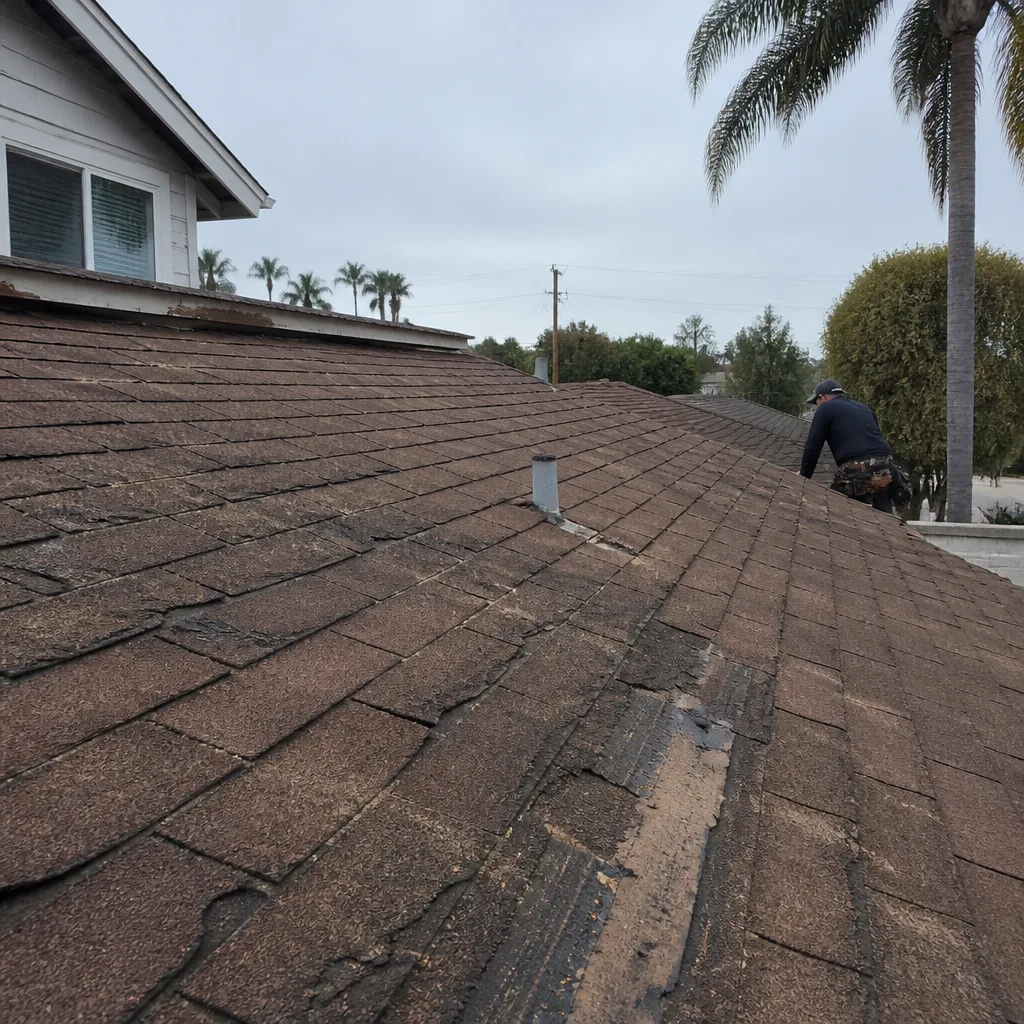 Before
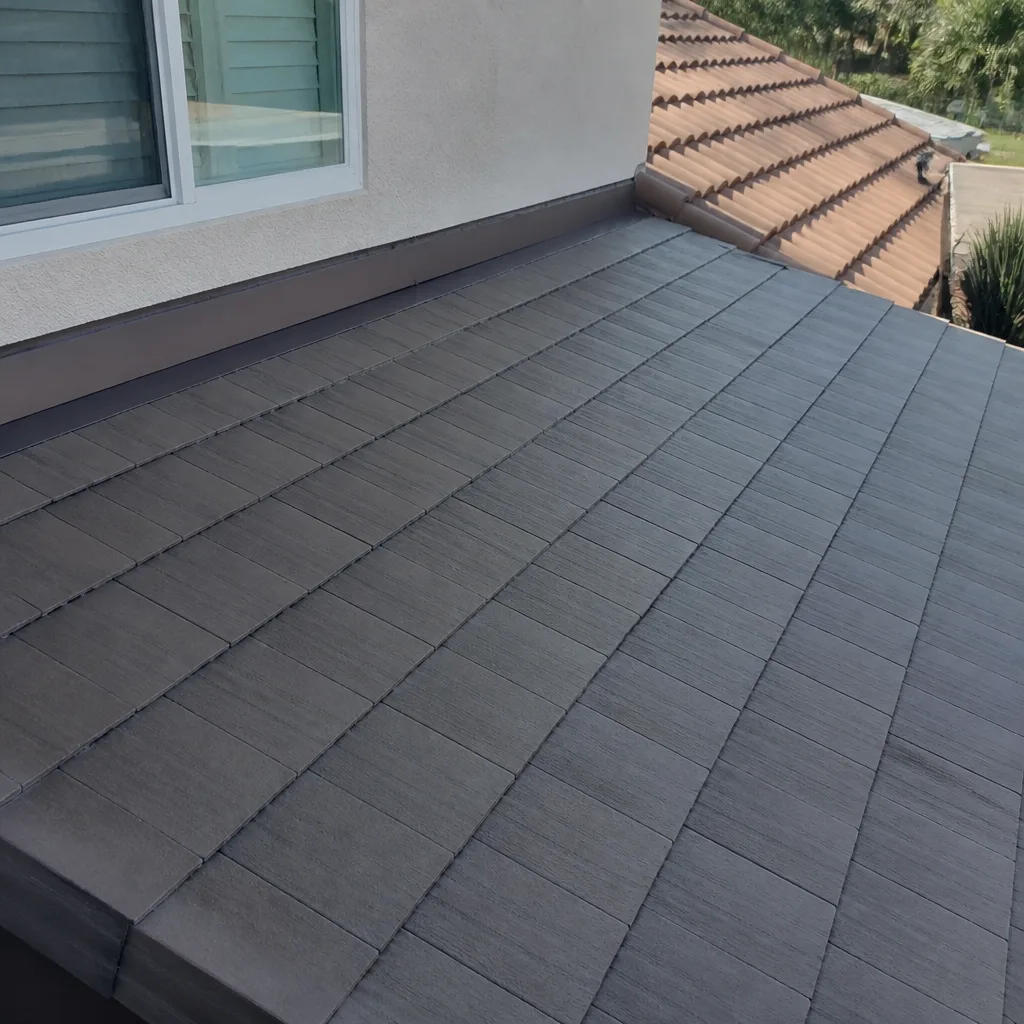 After
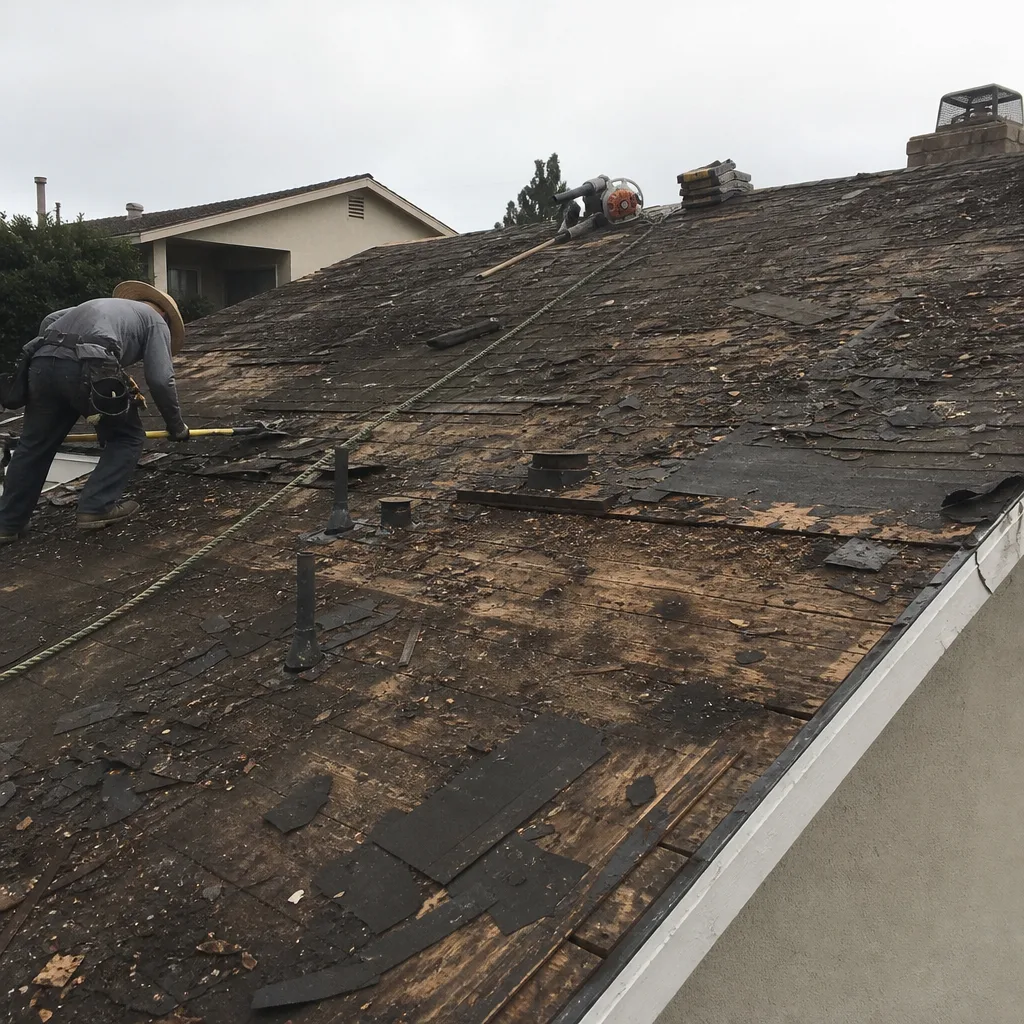 Before
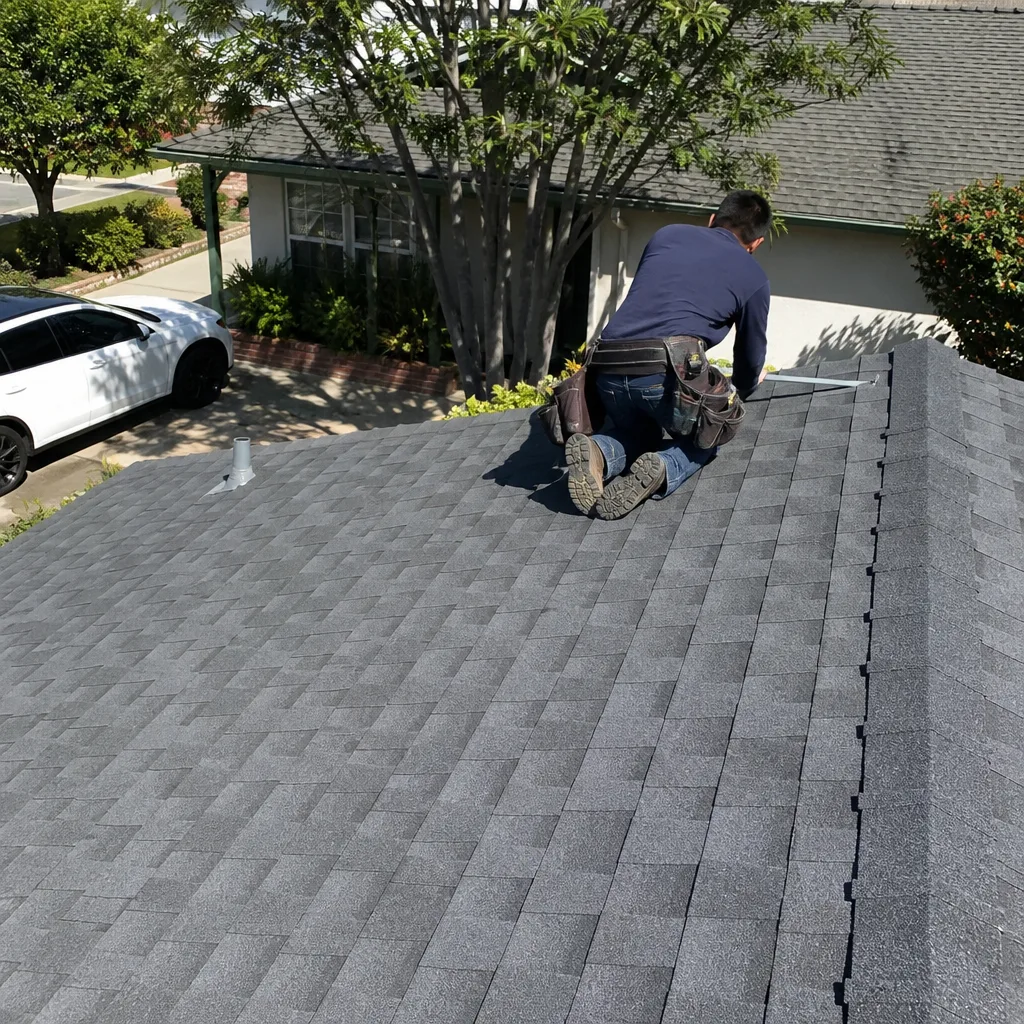 After
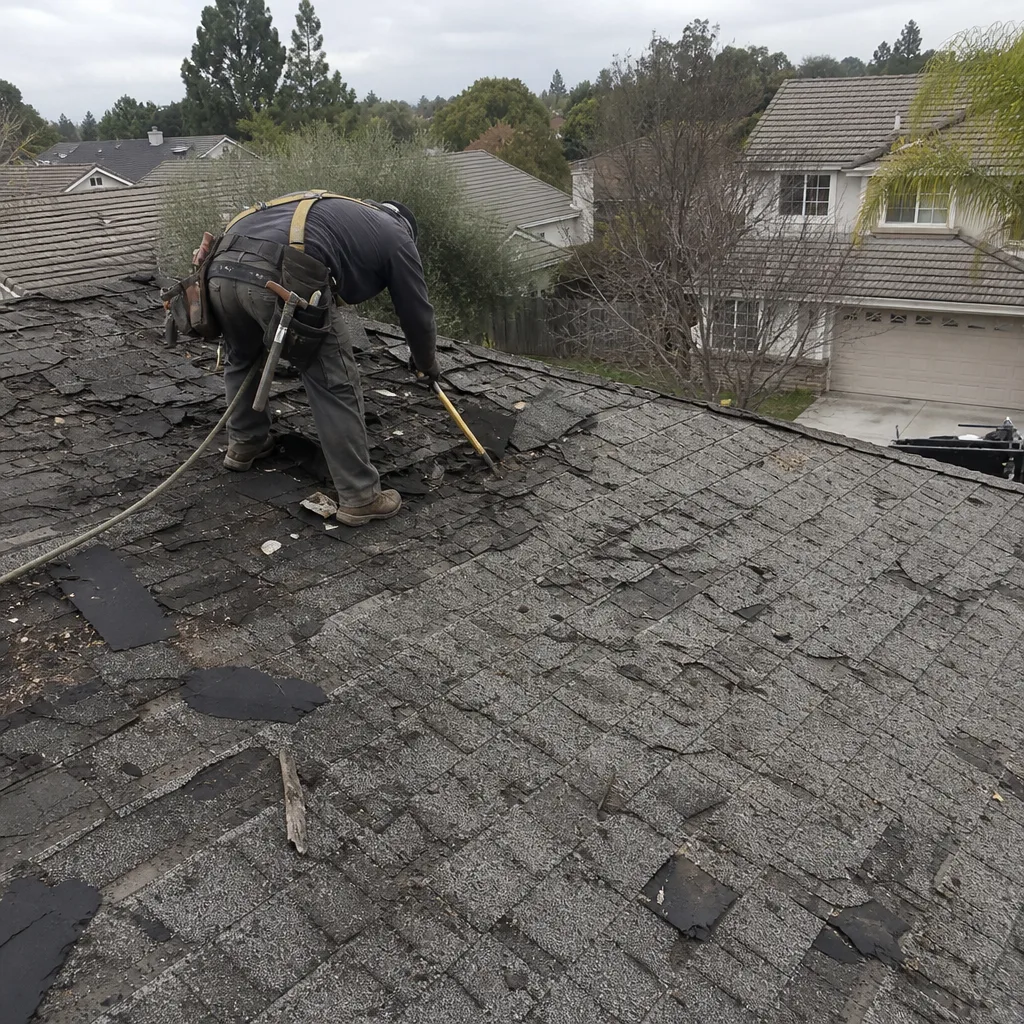 Before
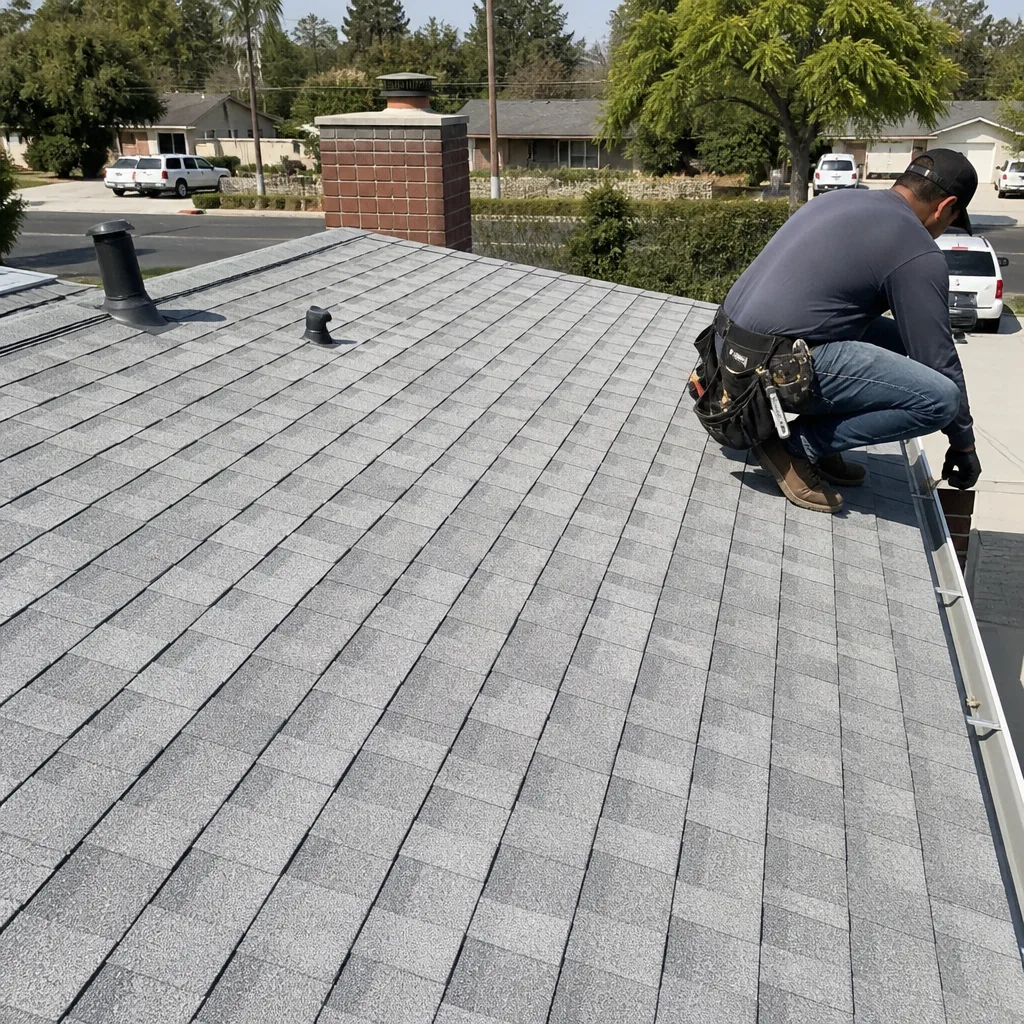 After