
Last updated October 30, 2026
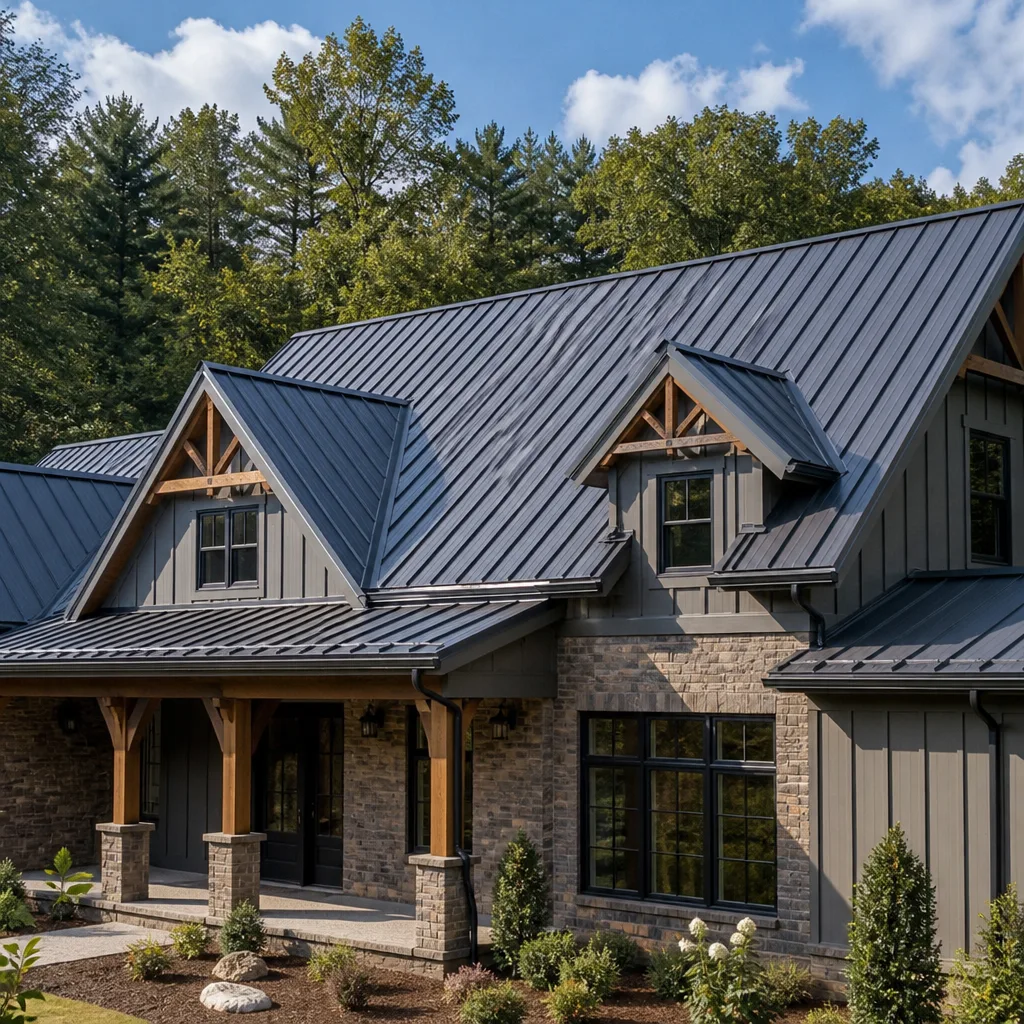 Metal roofing
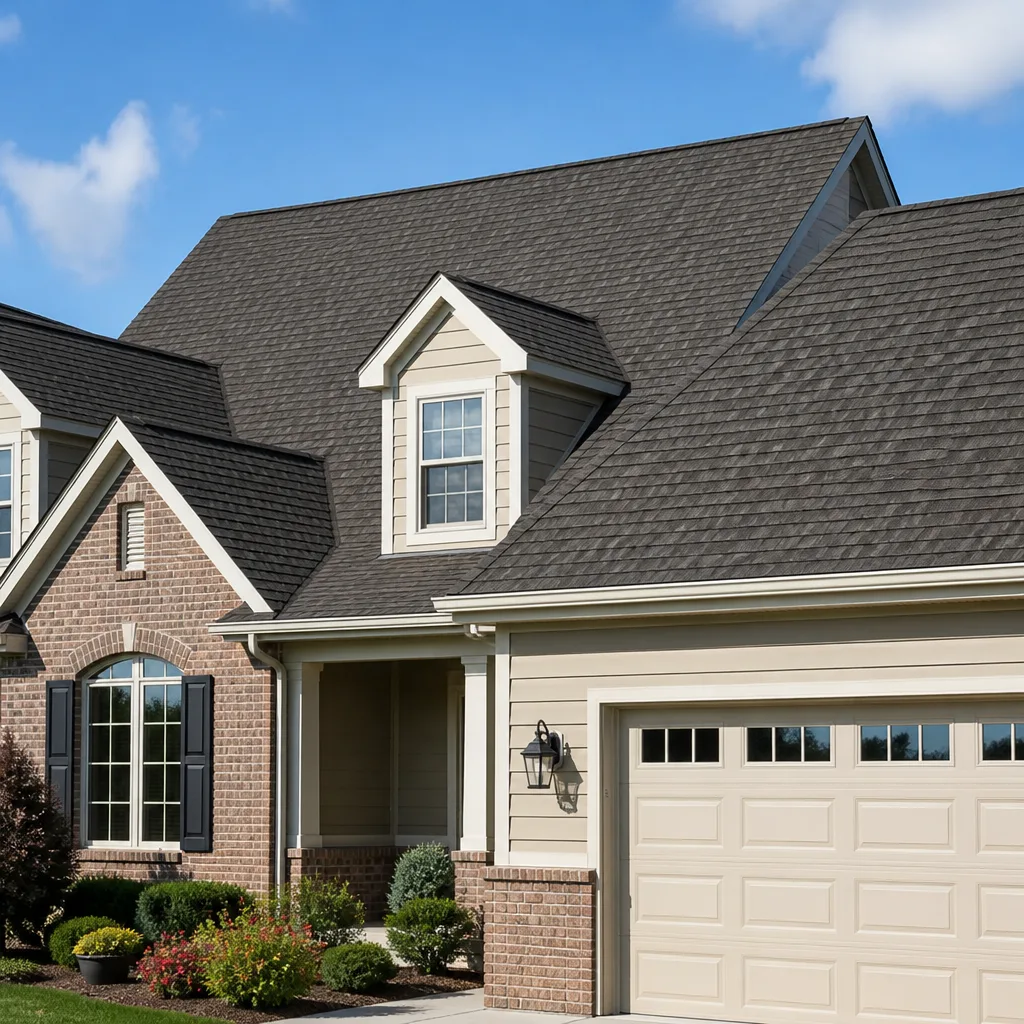 Architectural shingles
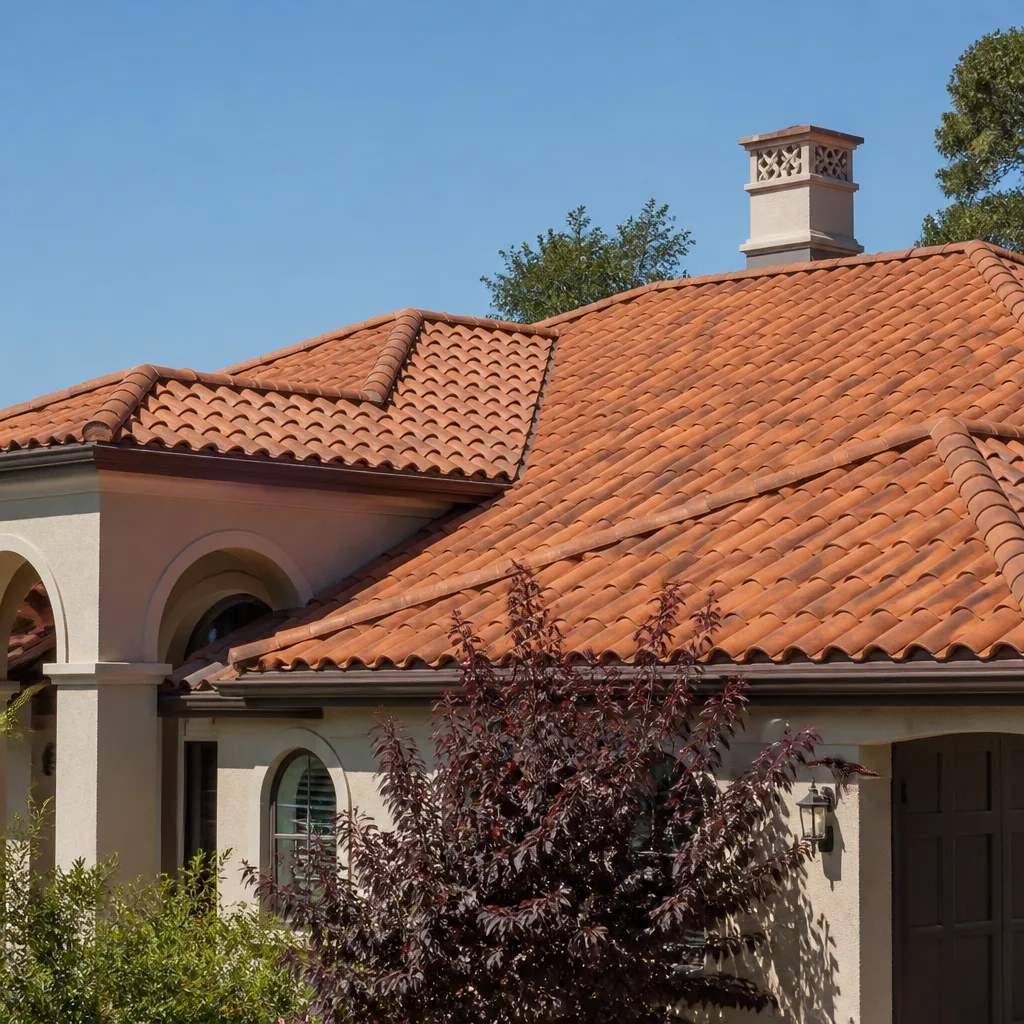 Tile roofing
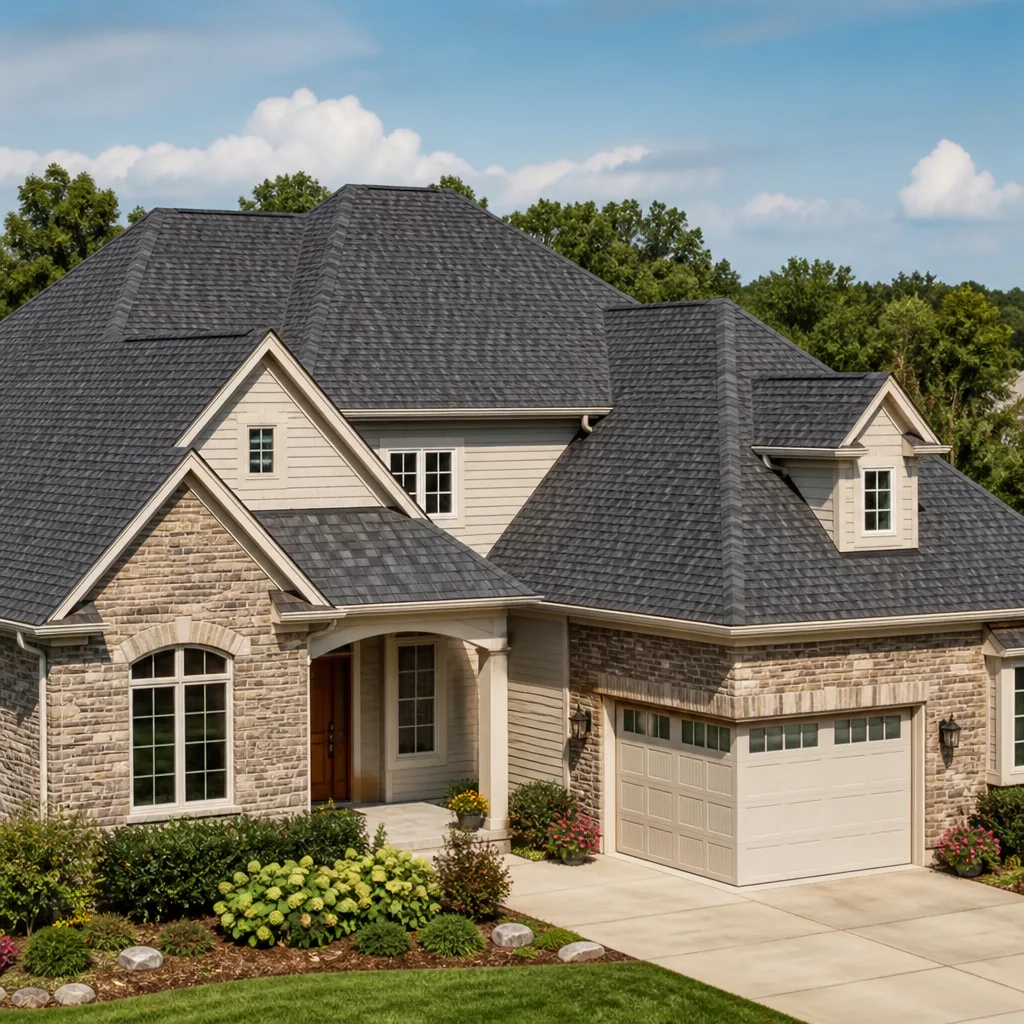 GAF
 Owens Corning
 Flat & low-slope
Free roof inspection with deck photos before we talk money - GAF and Owens Corning certified installation
The Complete Guide to Roofing in Westminster
Westminster roofs don’t fail the way most guides assume. This city sits in a climate pocket where summer surface temperatures on asphalt shingles routinely exceed 160°F, then marine-layer humidity rolls in at night and the whole assembly cools and contracts. That daily thermal cycling, repeated roughly 300 times a year, is what actually ages a roof in Westminster. Not snow. Not ice. Heat, UV, humidity, and the occasional Santa Ana wind event that rips ridge caps loose. This guide maps every major roofing material to those specific stressors so you can make a decision grounded in how Westminster weather actually behaves, not national averages.
Styles & brands we work with
Quick Answer
Roofing in Westminster means choosing materials that withstand intense UV exposure, daily marine-layer humidity cycling, and periodic Santa Ana winds, not cold-weather damage. The most practical choices for most Westminster homes are architectural asphalt shingles with high solar reflectance, standing-seam metal, or tile, depending on roof slope, HOA rules, and budget. A Westminster roof typically lasts 40 – 60% of its manufacturer-rated lifespan if the material isn’t matched to this specific climate.
Table of Contents
- Why Westminster’s Climate Kills Roofs Differently
- Material Breakdown: What Actually Works in Westminster
- Slope Matters: Flat, Low-Slope, and Pitched Roofs in Westminster
- Santa Ana Winds and Fastener Failure
- Title 24, HOAs, and the Cool-Roof Conflict
- Material Lifespan Reality Check for Westminster
- Repair vs. Replacement: A Westminster Decision Framework
- Common Mistakes to Avoid
- When to Call a Professional
- Frequently Asked Questions
- The Bottom Line
Why Westminster’s Climate Kills Roofs Differently
Westminster falls under IECC Climate Zone 6, but that classification doesn’t capture the full picture. What matters is the combination: high UV index days, coastal humidity cycling, and wind events that arrive dry and hot. A standard 3-tab asphalt shingle in this environment degrades 30 – 40% faster than its manufacturer-rated lifespan suggests. The granules wear away. The asphalt substrate oxidizes. The shingle becomes brittle, then cracks, then leaks.
The marine layer is the part most people miss. Westminster sits close enough to the coast that overnight humidity regularly reaches 85 – 90% relative humidity in summer. Moisture gets absorbed into the shingle mat, then the next day’s heat drives it back out. That cycle repeats daily for months. Over a decade, that’s thousands of micro-expansion and contraction events inside the shingle itself. In our experience, this is why two identical roofs, one in Westminster and one 15 miles inland, can look five years apart in wear after a decade.
UV intensity compounds the problem. Westminster averages over 280 sunny days per year. The sun’s radiation breaks down the chemical bonds in asphalt over time. Roofing manufacturers rate their products for national average sun exposure. Westminster delivers substantially more UV than the national baseline. That means a shingle rated for 25 years in Ohio conditions typically delivers 14 – 17 years here unless it’s specifically engineered for high-UV climates.
What This Means for Material Selection
Three factors should drive every material decision in Westminster:
- Solar reflectance: How much sunlight the material bounces back instead of absorbing. Higher reflectance means lower surface temperature, slower oxidation, and lower cooling costs.
- Moisture resistance: Marine-layer humidity penetrates porous materials. Dense, non-porous surfaces handle this better than mat-based products.
- Wind-uplift rating: Santa Ana winds hit specific roof zones harder. Fastener patterns and material rigidity matter more here than in still-air climates.
Material Breakdown: What Actually Works in Westminster
The right material for a Westminster roof depends on slope, budget, and HOA constraints. Here’s how each major category performs against our specific climate stressors.
Architectural Asphalt Shingles
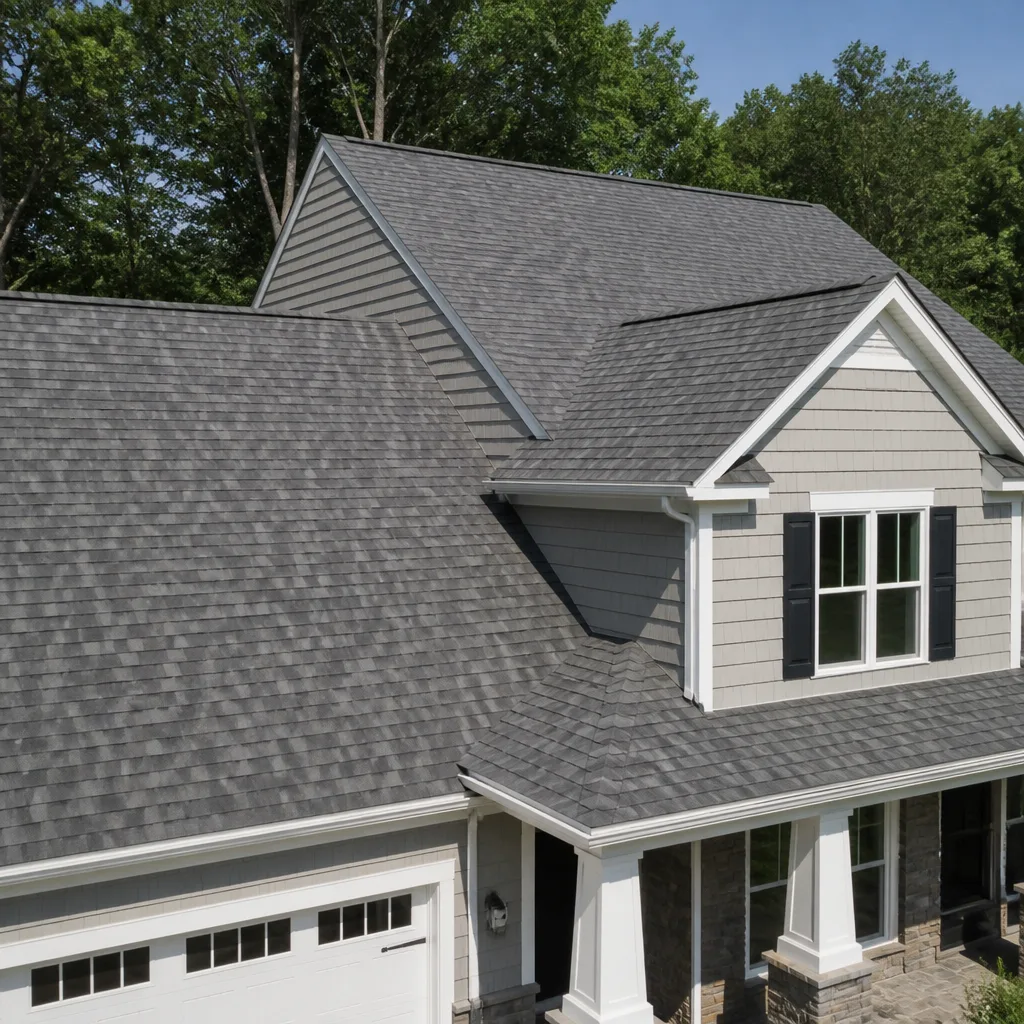
Architectural shingles remain the most common roofing material in Westminster, and for good reason. They’re cost-effective, widely available, and perform well on the 4:12 to 8:12 slopes common in Westminster’s residential tracts. But the product line matters more than the category. A basic architectural shingle from any manufacturer will underperform here. A high-solar-reflectance architectural shingle, the kind CertainTeed and Owens Corning both make specifically for cool-roof applications, is a different product entirely.
The key specification to look for is solar reflectance index, or SRI. Standard dark shingles have an SRI below 20. Cool-roof-rated architectural shingles typically carry an SRI above 30, sometimes above 40 with lighter colorways. The difference in surface temperature between an SRI 15 shingle and an SRI 35 shingle on a 95°F Westminster afternoon can exceed 40°F. That temperature gap translates directly to lifespan.
Tile Roofing
Concrete and clay tile are popular in Westminster’s older tracts, particularly in neighborhoods developed in the 1960s and 1970s. Tile handles UV brilliantly. It doesn’t oxidize, doesn’t granule-shed, and maintains its structural integrity for 50+ years even under intense sun. The vulnerabilities in Westminster are different: underlayment degradation and wind-uplift on edge tiles.
Tile roofs rely on the underlayment beneath them for waterproofing. The tile sheds water but isn’t watertight on its own. In Westminster’s heat, the underlayment dries out and cracks over time. A tile roof that looks fine from the street may have failing underlayment. That’s why a roof inspection in Westminster is worth doing every few years even if the tiles appear pristine.
Standing-Seam Metal
Standing-seam metal is the highest-performing material for Westminster’s specific climate profile. It reflects solar radiation far better than any asphalt product, doesn’t absorb moisture, and when installed with proper concealed fasteners, resists wind uplift better than shingles or tile. The trade-off is cost, typically 2 – 3 times the price of architectural shingles. For homeowners planning to stay in the home for 20+ years, the math often works out. For shorter holding periods, shingles usually make more sense.
IKO and Atlas both manufacture metal roofing systems, though their asphalt lines are more broadly known. Metal performs well in Westminster, but installation quality is the determining factor. A poorly flashed metal roof leaks worse than a poorly installed shingle roof.
Flat and Low-Slope Systems
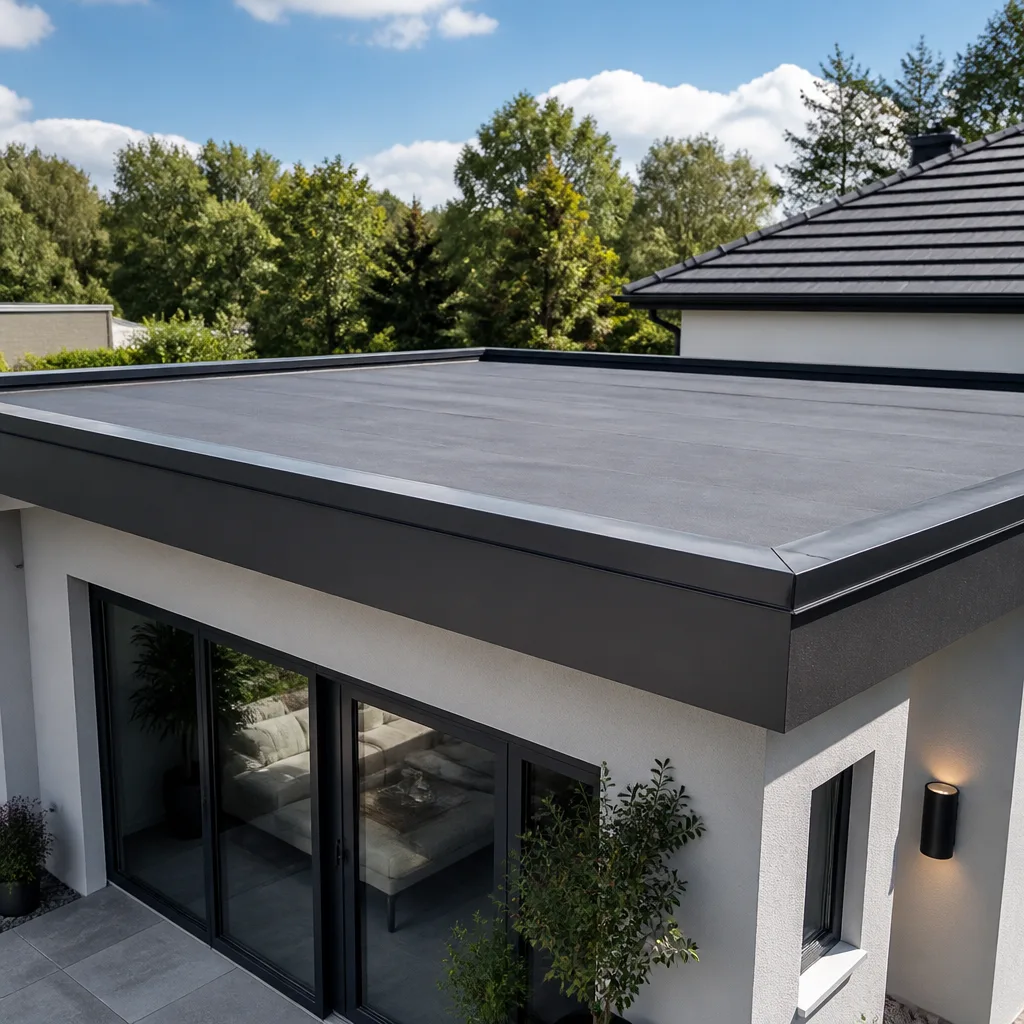
Westminster has a significant stock of flat and low-slope roofs, particularly on mid-century modern homes and some commercial-adjacent residential structures. These require membrane systems rather than shingles or tile. TPO, PVC, and modified bitumen are the primary options. In Westminster’s UV environment, PVC and TPO outperform modified bitumen over time because they don’t depend on an asphalt substrate that oxidizes. The seams are the weak point on all membrane systems, which is why installation matters more than product selection here.
Slope Matters: Flat, Low-Slope, and Pitched Roofs in Westminster
Westminster’s light annual rainfall, averaging around 12 – 14 inches, means slope isn’t primarily about water shedding speed. It’s about water residence time and UV exposure angle. Flat roofs hold water longer than pitched roofs. In Westminster, that means standing water sits under intense UV and evaporates and re-condenses through marine-layer cycles. Any membrane defect becomes a leak point faster than it would in a pitched system where water runs off quickly.
Low-slope roofs, those between 1:12 and 3:12, are the hardest to roof correctly. Shingles don’t work on slopes below 3:12. Membrane systems work but require careful seam welding. This is where we see the most installation failures in Westminster, because the margin for error is thin.
Pitched roofs, at 4:12 and above, give you the full range of material options. Most of Westminster’s residential housing stock falls here. The primary consideration on pitched roofs is exposure angle: south-facing slopes in Westminster take substantially more direct UV than north-facing slopes on the same structure. On many homes, the south slope needs replacement years before the north slope shows visible wear.
Choosing By Slope
- Flat (under 1:12): Membrane systems only. TPO or PVC recommended for UV performance. Expect to replace or recoat every 15 – 20 years.
- Low-slope (1:12 to 3:12): Membrane or standing-seam metal with proper panel profile. Avoid shingles entirely here.
- Standard pitch (4:12 to 8:12): Architectural shingles, tile, or metal all work. Selection driven by budget, HOA rules, and aesthetics.
- Steep (above 8:12): Tile and shingles both perform well. Metal requires specialized installation but works too. Safety equipment and experienced crews become non-negotiable.
Santa Ana Winds and Fastener Failure
Santa Ana winds in Westminster typically arrive from the northeast between September and January. Sustained speeds of 20 – 30 mph are common, with gusts reaching 50 – 60 mph in exposed areas. The wind itself isn’t what damages roofs. It’s the uplift pressure created as wind flows over the roof plane, creating negative pressure that pulls upward on the roof surface.
The most common wind-related failure we see in Westminster is ridge cap loss. Ridge caps sit at the highest point of the roof, where wind accelerates. Standard shingle ridge caps installed with basic nails fail regularly in Santa Ana conditions. The fix is a combination of proper fastener type, correct nail pattern, and in high-exposure areas, additional adhesive or mechanical attachment.
Fastener pull-out is a related issue, particularly on older Westminster homes where the roof deck may have deteriorated. Staples, common in roofs from the 1980s and 1990s, provide far less pull-out resistance than ring-shank nails or screws. When Santa Ana winds hit a roof with stapled shingles on a worn deck, the result is shingles peeling back like paper. This is one reason why a roof repair in Westminster after any significant wind event is worth scheduling, even if no leak is visible.
Installation Specs That Hold Up to Santa Ana Winds
- Ring-shank nails, not smooth nails or staples, for shingle attachment
- Six nails per shingle in high-wind zones, rather than the standard four
- Proper ridge cap attachment with either enhanced adhesive or mechanical fastening
- Drip edge installation on eaves and rakes to protect the deck edge
- Underlayment fastening with cap nails or staples at tighter spacing than manufacturer minimums
Title 24, HOAs, and the Cool-Roof Conflict
California’s Title 24 building energy standards require cool-roof products for most roof replacements in climate zones with high cooling loads. Westminster falls under these requirements. The standard mandates minimum solar reflectance and thermal emittance values for low-slope roofs, and either cool-roof shingles or equivalent measures for steep-slope roofs.
The complication arrives in Westminster’s older HOA tracts. Many HOAs in neighborhoods developed between 1960 and 1990 have architectural covenants specifying concrete tile or dark shingles for aesthetic consistency. These covenants predate Title 24 and often conflict with modern cool-roof requirements. The result is a genuine dilemma: comply with the HOA and risk code violation, or comply with code and face HOA enforcement action.
California law generally holds that HOA covenants cannot prevent compliance with state building codes. The Davis-Stirling Act gives homeowners the right to make changes required by law, even if the HOA governing documents prohibit them. In practice, this means cool-roof-rated products in compliant colorways usually prevail. The key is documentation: the roofing contractor should provide the HOA with the Title 24 compliance documentation for the specific product selected. Most HOAs, when presented with clear evidence that state law requires the product, will approve it.
From a practical standpoint, we’ve found that many HOAs are open to cool-roof tile options that maintain the neighborhood’s visual character while meeting reflectance requirements. Tile manufacturers now produce colors that look traditional but carry cool-roof ratings. This is where the seven-brand material approach matters: having access to product lines from GAF, CertainTeed, Owens Corning, IKO, Atlas, Tamko, and Boral means finding a compliant product that satisfies both the HOA and Title 24 is genuinely achievable.
Material Lifespan Reality Check for Westminster
Manufacturer lifespan ratings are calculated for national average conditions. Westminster’s conditions are not average. Here’s what various materials realistically deliver in this specific climate, based on our field observations across Westminster.
3-Tab Asphalt Shingles
Manufacturer rating: 20 – 25 years
Westminster reality: 10 – 14 years
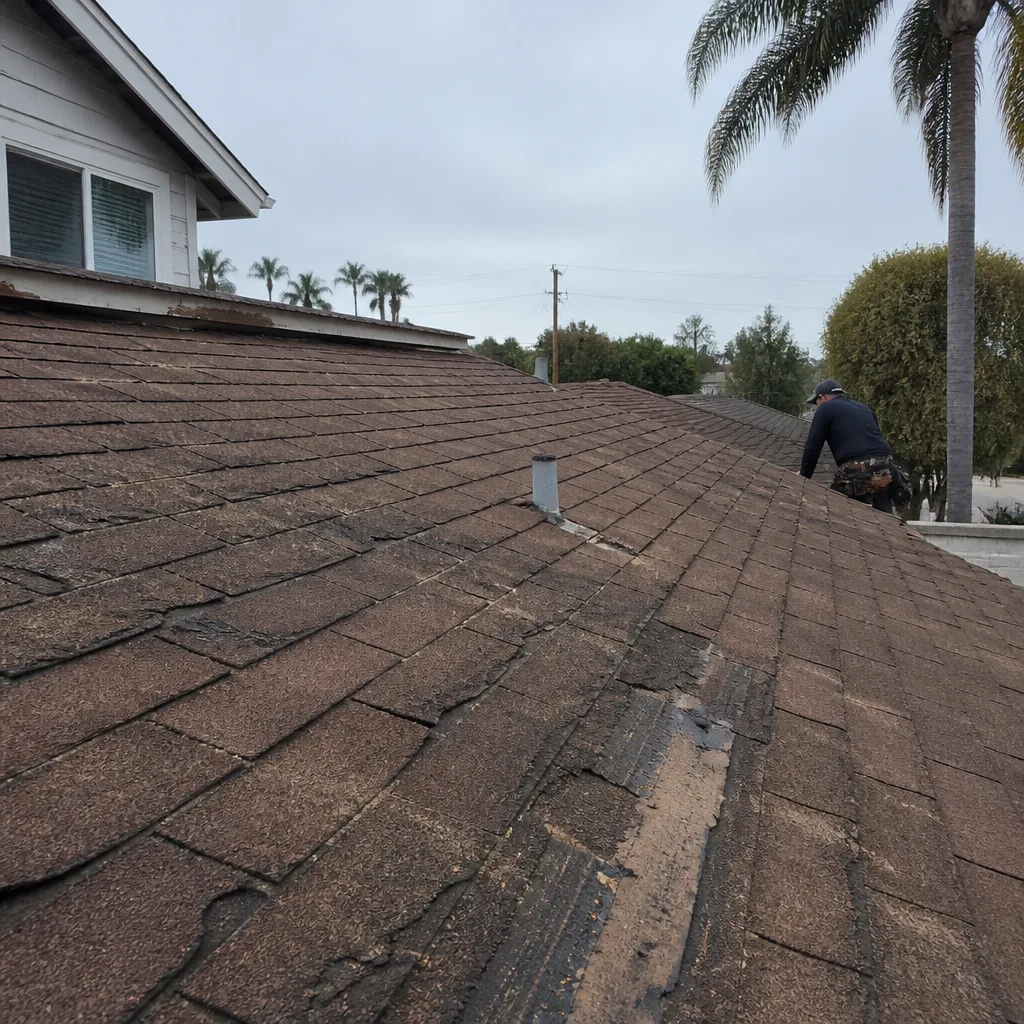
Why: The thin mat and light granule coverage of 3-tab shingles can’t withstand Westminster’s UV intensity. Granule loss begins within 5 – 7 years, and the underlying asphalt oxidizes rapidly once exposed.
Architectural Asphalt Shingles
Manufacturer rating: 30 – 50 years
Westminster reality: 18 – 25 years for standard products; 25 – 30+ for cool-roof-rated products
Why: The thicker mat helps, but the real variable is solar reflectance. A high-SRI architectural shingle from a manufacturer like Atlas or Owens Corning operates at meaningfully lower surface temperatures, which slows oxidation substantially.
Concrete Tile
Manufacturer rating: 50+ years
Westminster reality: 40 – 50+ years for the tile itself, but underlayment replacement at 20 – 25 years is typically required
Why: The tile handles UV indefinitely, but the underlayment beneath it doesn’t. A tile roof in Westminster typically needs a “lift and relay” service at the 20-25 year mark, where tiles are removed, underlayment replaced, and tiles reinstalled.
Standing-Seam Metal
Manufacturer rating: 40 – 60 years
Westminster reality: 40 – 50 years for the panels, with fastener and sealant maintenance at 15 – 20 year intervals
Why: Metal resists UV and moisture. The fasteners and sealants are the weak points, and they’re serviceable.
TPO/PVC Membrane
Manufacturer rating: 20 – 30 years
Westminster reality: 15 – 22 years
Why: UV degrades the membrane surface over time. Regular coating can extend lifespan in Westminster’s environment.
Repair vs. Replacement: A Westminster Decision Framework
The decision to repair or replace a roof in Westminster should be driven by specific evidence, not age alone. Here’s the framework we apply.
- Determine the roof’s actual condition. A professional roof inspection documents granule loss, fastener condition, flashing integrity, and deck condition. In Westminster, we routinely see roofs under 15 years old with enough granule loss to warrant replacement, and roofs over 20 years old in serviceable condition.
- Identify the failure mode. Is the issue localized (a single flashing, a small wind-damaged area, a specific leak) or systemic (widespread granule loss, deck deterioration, repeated wind damage across multiple slopes)? Localized problems are repair candidates. Systemic problems are replacement candidates.
- Calculate the repair-to-replacement cost ratio. If accumulated repairs over the next five years will total more than 40 – 50% of replacement cost, replacement is the smarter long-term investment. In Westminster, this calculation is affected by the accelerating wear curve: once a roof passes the 60 – 70% point of its Westminster lifespan, degradation accelerates sharply.
- Factor in the Title 24 opportunity. If the roof is approaching replacement age, upgrading to a cool-roof product at replacement time captures energy savings that repair doesn’t deliver. Waiting to replace means another 5 – 10 years of higher cooling costs and accelerated wear on remaining roof life.
- Consider the holding period. If you’re planning to sell within 2 – 3 years, a quality repair that addresses visible issues may be sufficient. If you’re staying 5+ years, replacement with a Westminster-appropriate material typically delivers better lifetime value.
For a detailed breakdown of when repair is the right call, see our guide on roof repair in Westminster. For replacement-specific guidance, including material selection and project timeline, see roof replacement in Westminster.
Common Mistakes to Avoid
- Choosing the cheapest material without considering Westminster’s UV load. A standard 3-tab shingle in Westminster typically delivers half its rated lifespan. The money saved upfront is paid back, with interest, in a premature replacement.
- Ignoring underlayment on tile roofs. Tile looks fine from the street long after the underlayment has failed. A tile roof in Westminster needs underlayment inspection every 5 – 7 years, even if the tiles look perfect.
- Accepting standard four-nail shingle installation. In Westminster’s Santa Ana conditions, six nails per shingle in wind-exposed zones is the difference between a roof that holds and a ridge cap scattered across the front yard.
- Skirting the HOA rather than engaging it early. Title 24 gives homeowners legal standing to install cool-roof products. Documented compliance presented early usually resolves the issue. Sneaking the roof in and dealing with HOA enforcement after the fact creates unnecessary conflict.
- Waiting for a leak to schedule an inspection. By the time a Westminster roof leaks, the failure has often been developing for years. Granule loss, fastener lift, and flashing deterioration are all visible before a leak occurs, and all are cheaper to address early.
- Assuming a manufacturer warranty covers Westminster conditions. Standard warranties cover manufacturing defects, not accelerated aging from local climate conditions. The warranty doesn’t replace the roof; it replaces defective product. Understanding what a warranty actually covers before making a material decision prevents disappointment later.
When to Call a Professional
Any roofing work that involves ladders, heights, or working on an elevated surface carries genuine fall risk. Roof inspections, repairs, and replacements should be handled by trained professionals with proper safety equipment, not as DIY weekend projects. Beyond safety, a professional eye catches what a homeowner misses: early-stage granule loss, subtle fastener lift, flashing gaps that haven’t leaked yet.
Specific scenarios that warrant a professional inspection in Westminster include: visible granule accumulation in gutters, shingles found in the yard after a Santa Ana event, ceiling stains or attic moisture, tile roofs over 20 years old, and any roof where the owner is considering selling within the next 24 months. A roof inspection documents condition and either surfaces repair opportunities or supports a replacement decision with hard evidence.
Select Roof Repair offers free estimates in Westminster – call (855) 382-0485 to schedule an inspection and get a straight answer about your roof’s condition and options.
Frequently Asked Questions
A full roof replacement in Westminster typically ranges from $9,000 to $22,000 for architectural shingles on an average 1,600-2,000 square foot home, with tile and metal running $18,000 to $40,000+. Westminster-specific factors like Title 24 compliance requirements, HOA material restrictions, and the need for cool-roof-rated products influence final pricing. Call (855) 382-0485 for a written line-item quote based on your specific roof.
Architectural shingles in Westminster typically last 18 – 25 years, 3-tab shingles 10 – 14 years, tile 40 – 50+ years with underlayment replacement at the 20 – 25 year mark, and standing-seam metal 40 – 50 years. Westminister’s UV intensity and marine-layer humidity cycling reduce manufacturer-rated lifespans by 30 – 40% for asphalt products specifically.
Yes, for most roof replacement projects in Westminster. Title 24 requires cool-roof-rated products or equivalent measures for steep-slope roofs and specific solar reflectance minimums for low-slope roofs. Your roofing contractor should provide the compliance documentation, and this documentation typically resolves any HOA covenant conflicts.
In many cases yes. If the failure is localized, a targeted roof repair extends the roof’s serviceable life and delays replacement. The determining factors are the extent of damage, the overall condition of the roof, and whether accumulated repair costs over the next five years would approach replacement cost.
A licensed roofing contractor in Westminster handles permitting as part of the replacement scope. The city of Westminster requires permits for roof replacements, and the permit process includes inspection of the completed work. Any contractor who suggests skipping permits is creating liability for the homeowner.
With a reputable contractor, written line-item quotes shouldn’t change unless concealed damage is discovered after tear-off. In Westminster, the most common concealed issue is deteriorated roof decking beneath shingles on older homes, which may require replacement before new roofing can be installed. A thorough pre-work inspection minimizes surprises, and any changes should be documented in writing before proceeding.
The Bottom Line
Westminster roofs face a specific set of challenges: intense UV exposure, daily marine-layer humidity cycling, and periodic Santa Ana winds that test fasteners and ridge caps. The material that works in Portland or Phoenix won’t necessarily perform in Westminster, and manufacturer lifespan ratings don’t account for this city’s particular climate stress. The right approach is to start with a professional inspection that documents your roof’s actual condition, then select a material matched to Westminster’s climate realities, Title 24 requirements, and any HOA constraints. Repair when it makes sense. Replace when it doesn’t. And always work with a roofing specialist, not a generalist.
Written by the team at Select Roof Repair, serving Westminster since 2018.
See the difference
 Before
 After
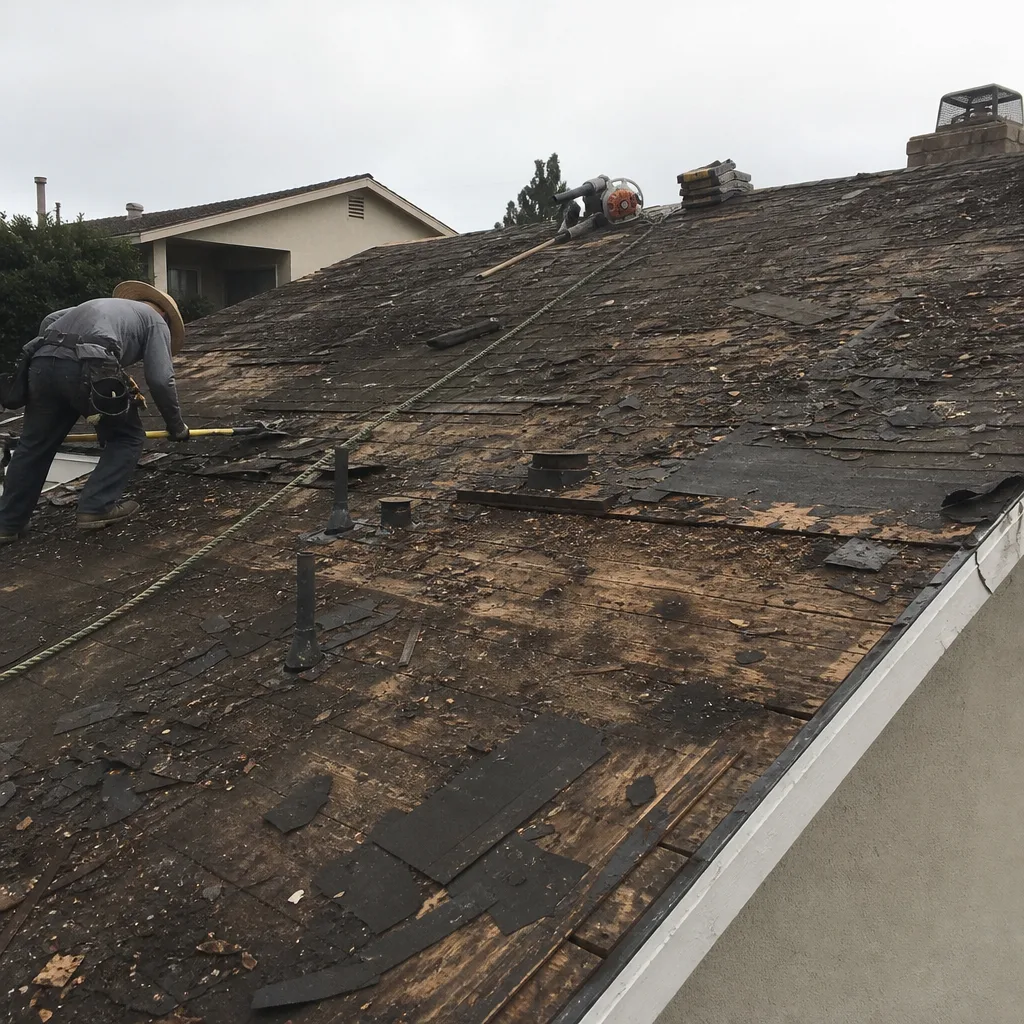 Before
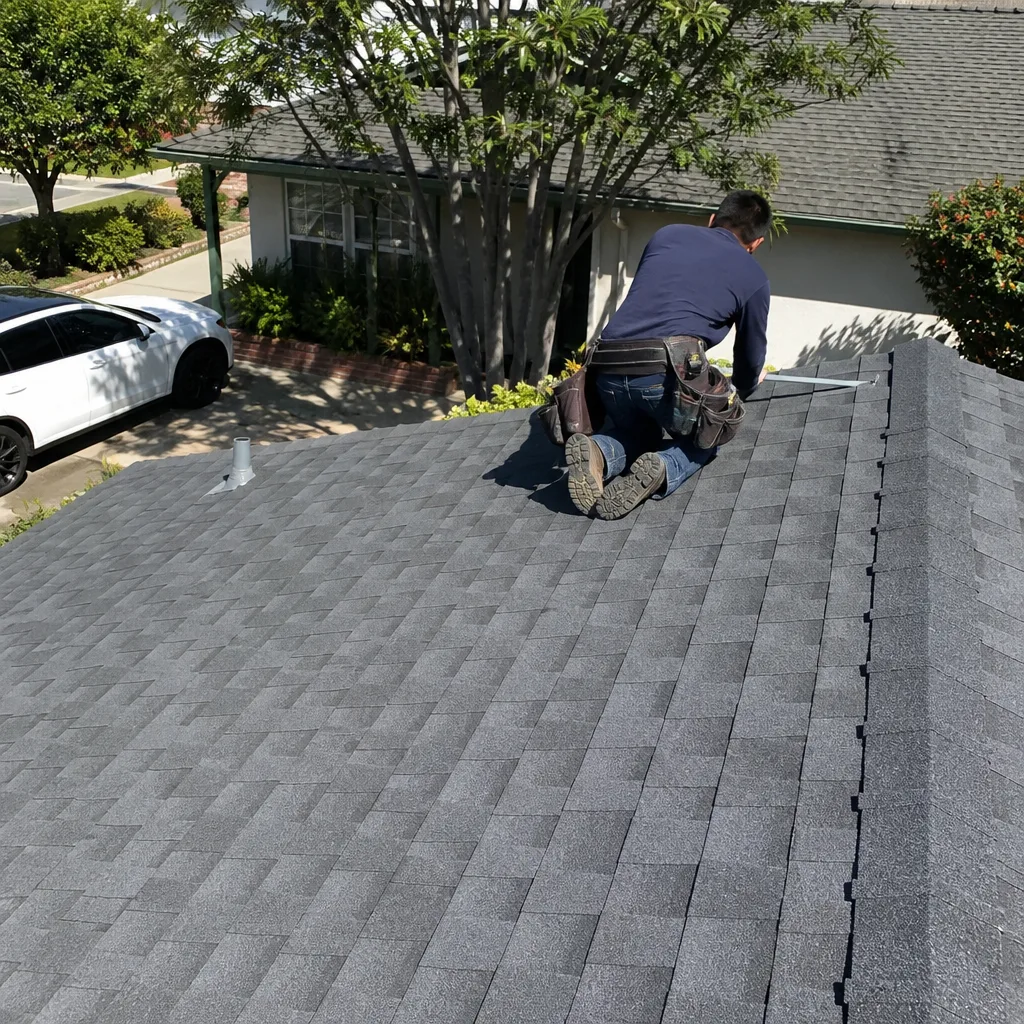 After
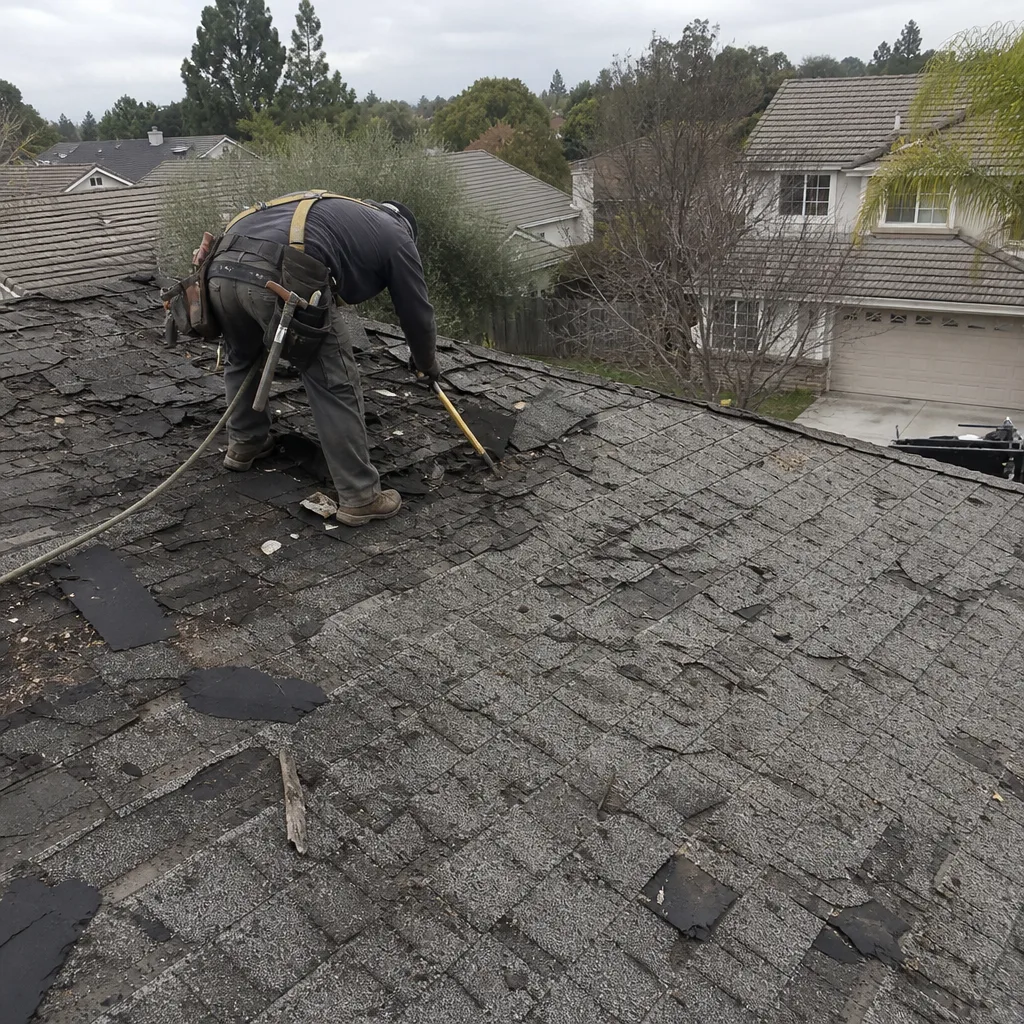 Before
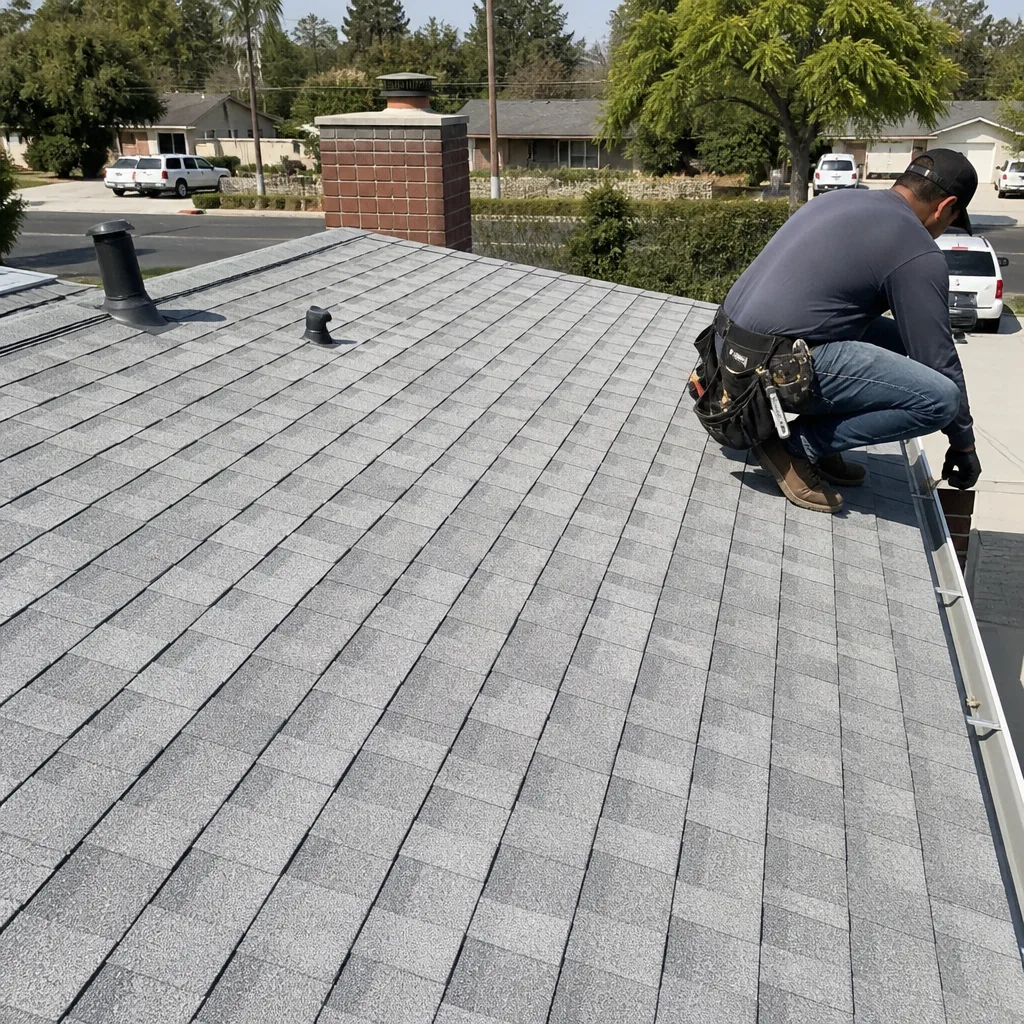 After