
Last updated October 30, 2026
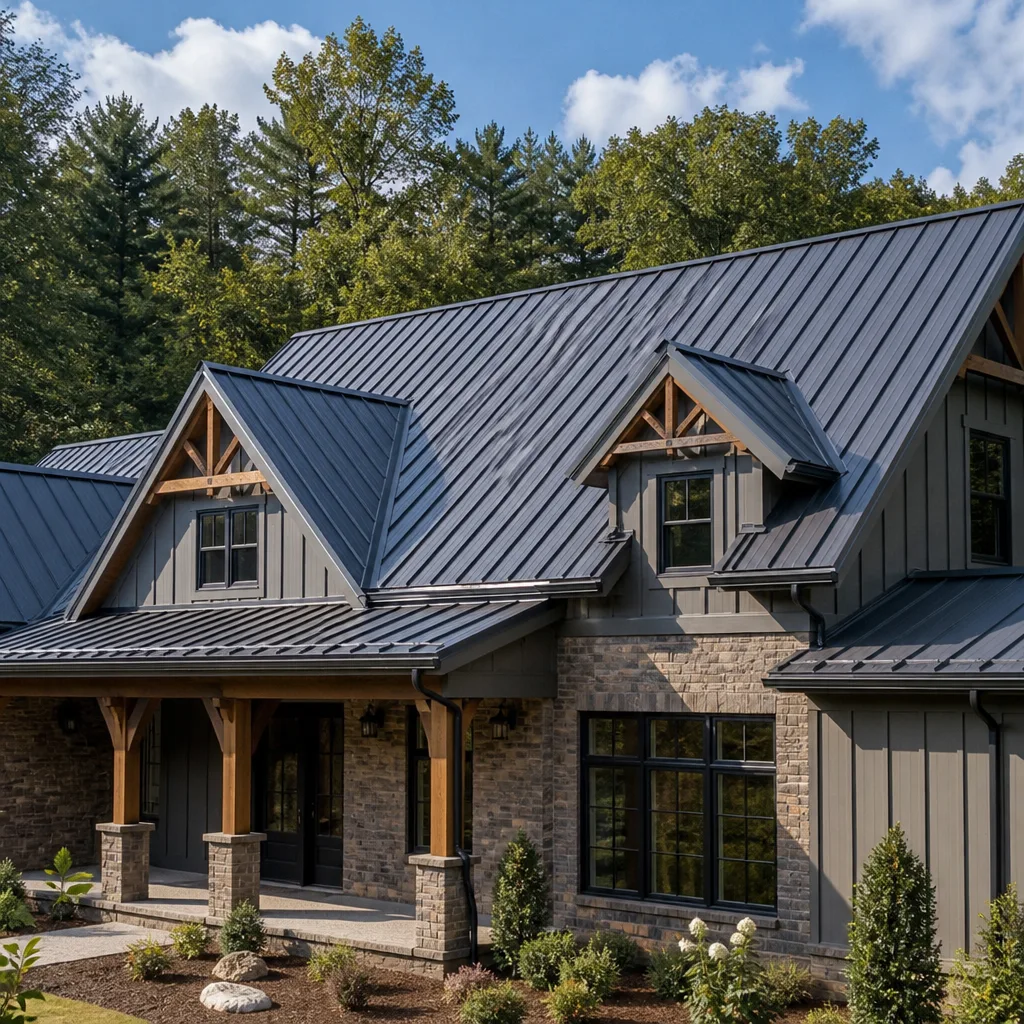 Metal roofing
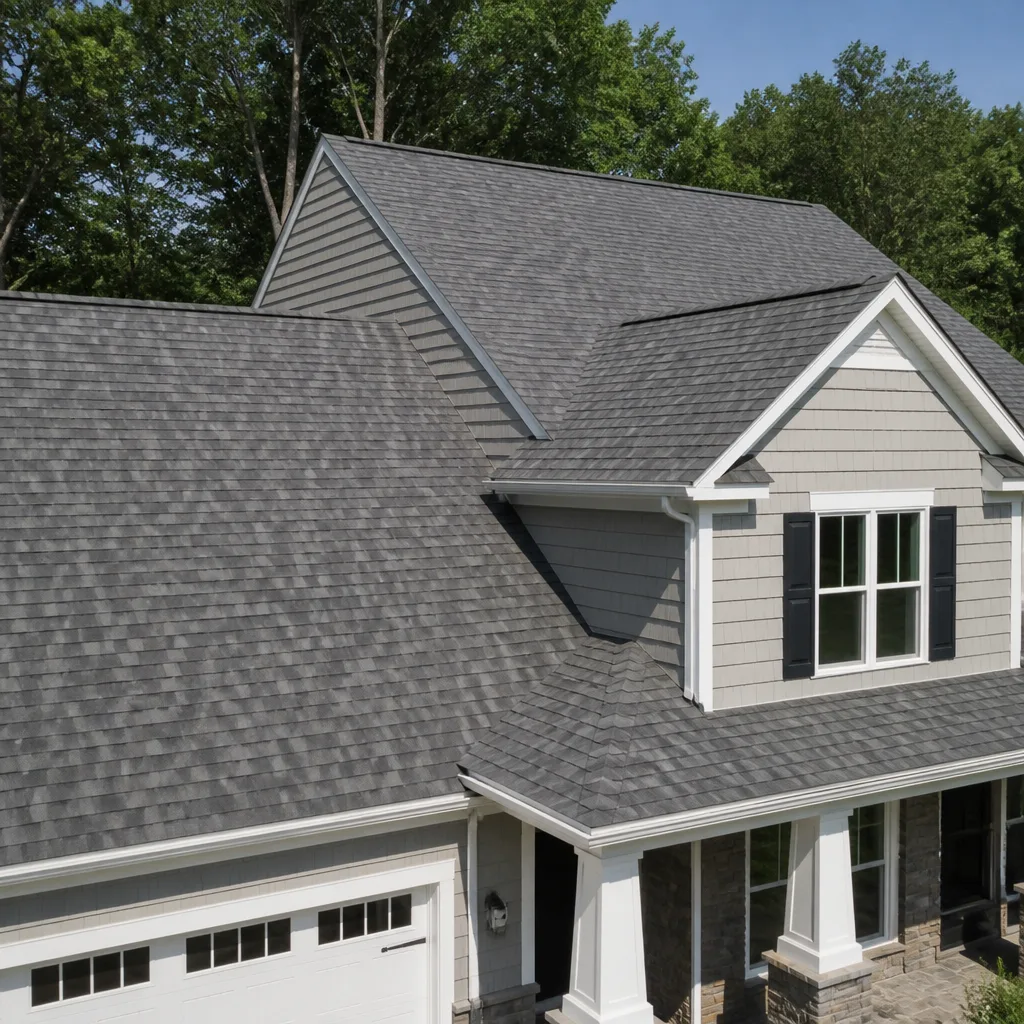
 Architectural shingles
 Tile roofing
 GAF
 Owens Corning
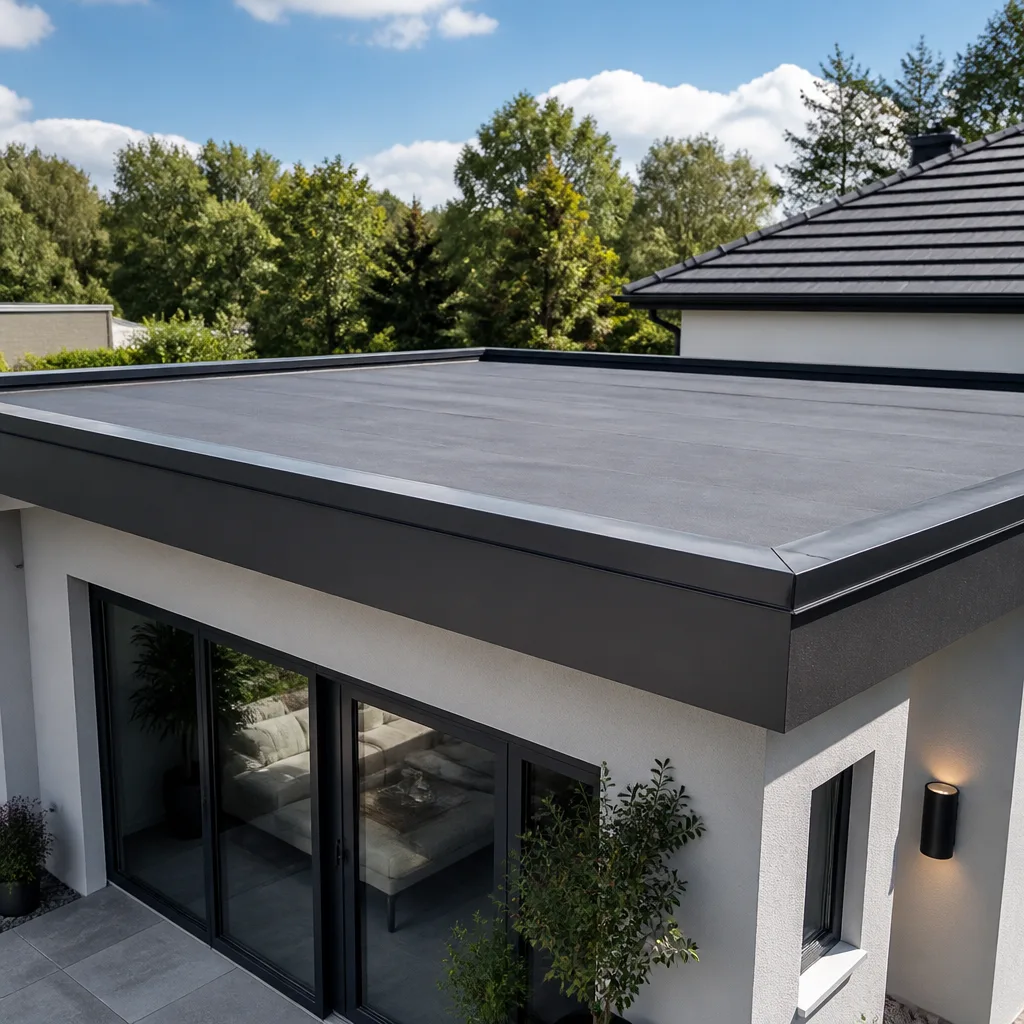 Flat & low-slope
Free roof inspection with deck photos before we talk money - GAF and Owens Corning certified installation
Roofing Permits, Codes & Inspections in CA: What You Need to Know
In California, re-roofing more than 50% of a roof surface on a non-exempt building legally triggers a full Title 24 cool-roof compliance review. That threshold catches a lot of Westminster homeowners off guard. A homeowner who plans what they think is a modest partial replacement suddenly finds themselves in plan check, pulling material data sheets, and waiting on an inspector before the next layer of shingles goes down. This guide walks through exactly which roof projects in Westminster need a permit, which codes apply, what inspectors actually look for, and how HOA rules layer on top of the city’s requirements; for Roofing Warning Signs: A Westminster Homeowner’s Reference Guide, see our companion post. By the end, you’ll know what to expect before the first bundle hits the ladder.
Styles & brands we work with
Quick Answer
In Westminster, California, any roof project that removes and replaces more than 50% of the roof surface requires a City of Westminster building permit, and in nearly all cases that permit triggers Title 24 Part 6 cool-roof compliance for Orange County’s climate zone. Minor repairs, patching under 50% of the surface, and isolated flashing work typically fall under the re-roofing exemption and need no permit, provided the work doesn’t alter the roof structure. If an HOA governs your community, plan for a separate approval track before the city will sign off.
Table of Contents
- Which Westminster Roof Projects Need a Permit vs. Which Are Exempt
- Title 24 Cool-Roof Rules for Orange County’s Climate Zone
- What Happens During a Rough and Final Roofing Inspection
- What Unpermitted Roof Work Means When You Sell a Westminster Home
- The HOA Approval Layer: Getting Material Samples Pre-Approved
- What a Typical Westminster Roof Permit Timeline Looks Like
- What Permits and Inspections Cost in Westminster
- Common Mistakes to Avoid
- When to Call a Professional
- Frequently Asked Questions
- The Bottom Line
Which Westminster Roof Projects Need a Permit vs. Which Are Exempt
The City of Westminster enforces the California Building Code (CBC) with local amendments, and the permit trigger for roofing work is straightforward: if you’re removing and replacing more than half of the roof’s surface area, you need a permit. Full stop. That’s not a Westminster quirk. It’s the state’s re-roofing trigger, and Westminster applies it consistently. The threshold applies to the roof surface itself, not the square footage of the house, so a 1,200-square-foot ranch with a 2,400-square-foot roof hits the trigger at 1,200 square feet of roofing.
Here’s the breakdown as it applies in Westminster:
- Full tear-off and replacement: Always requires a permit. This is the most common permitted roof project we see. The city wants to verify underlayment type, fastener schedule, ventilation, and Title 24 compliance before the roof goes back on.
- Partial replacement over 50% of the roof surface: Requires a permit. The city uses the 50% threshold per building, not per roof plane. If a house has 4 roof planes and one entire plane is replaced but the rest stay, the calculation is against the total roof surface.
- Partial replacement under 50% of the roof surface: Typically exempt, but with conditions. The exemption applies when the work is repair or patching in nature, the roofing material is being replaced in kind or with a material allowed by the re-roofing exemption, and no structural members are altered.
- Isolated repairs: torn shingle replacement, valley flashing repair, spot patching: No permit. These fall under ordinary maintenance in Westminster’s view.
- Sheathing replacement: If the roof deck itself is damaged and you’re replacing plywood or OSB sheathing, the project moves beyond a simple re-roof. Westminster requires a permit when structural sheathing is replaced, even if it’s less than 50% of the roof surface, because the city wants to inspect the nailing pattern and edge support.
- Roof structure modifications: raised heel trusses, new dormers, skylight additions, re-framing: Always a permit, and usually a full plan check with structural calculations, not a same-day counter permit.
One nuance that trips up Westminster homeowners: the city treats reroofing permits under the state’s expedited solar permitting law in some cases, but the 50% rule doesn’t bend. If a contractor tells you the job “doesn’t need a permit” on a full tear-off, be skeptical. Contractors who skip permits skip inspections, and in Westminster, an unpermitted full re-roof surfaces fast on a sale disclosure.
Title 24 Cool-Roof Rules for Orange County’s Climate Zone
Most of Orange County, including Westminster, sits in California Climate Zone 8 under Title 24 Part 6. That designation matters because Zone 8 has specific cool-roof requirements for residential steep-slope and low-slope roofing. When a roof project triggers a permit in Westminster, the building department checks for compliance with the California Energy Code’s prescriptive or performance path, as detailed in our Seasonal Roofing Care for Westminster: Year-Round Homeowner’s Guide.
Here’s what the code requires for steep-slope roofs (greater than 2:12 pitch) in Climate Zone 8:
- Aged solar reflectance of 0.20 or higher (3-year aged value, not initial)
- Thermal emittance of 0.75 or higher
- Complying products are typically listed in the CRRC (Cool Roof Rating Council) Rated Products Directory
For low-slope roofs (2:12 or less), the numbers are different and stricter:
- Aged solar reflectance of 0.63 or higher
- Thermal emittance of 0.75 or higher
What does this mean in plain terms? If you’re replacing an asphalt shingle roof in Westminster, you can’t just pick any shingle color from the manufacturer’s catalog. Dark shingles, particularly deep browns and blacks, frequently fail the 0.20 aged reflectance requirement without a special coating or documentation. Lighter granule blends, many “cool” color lines from GAF and CertainTeed, and most terra cotta or light gray profiles pass. In our experience in Westminster, homeowners who want a true black roof often end up having to pursue a performance compliance path, which requires a whole-house energy calculation, or choose a dark shingle product specifically rated and CRRC-listed as a cool roof.
Tile roofs are a different story. Boral and similar manufacturers publish CRRC ratings for their tile profiles. Light-colored tiles nearly always pass. Dark clay tiles sometimes pass at the steep-slope threshold, sometimes don’t. The city doesn’t take a contractor’s word for it. They pull the CRRC directory entry and check the aged values. If the documentation isn’t there, the permit stalls.
Roofing-only product selection matters here. The wrong shingle or tile choice, even a product the homeowner loves visually, can stop a Westminster permit in its tracks. That’s why we lean on multiple manufacturers rather than a single line; the correct material for the code, the roof, and the homeowner’s budget comes from the full available range, not what happens to be in the yard. Our Choosing the Right Roofing Brand: A Buyer’s Guide for Westminster breaks down how to evaluate options.
What Happens During a Rough and Final Roofing Inspection
A Westminster roofing inspection is not a rubber stamp. The city sends a building inspector who is specifically looking for code-compliant installation details, and they will not pass a roof that hasn’t been properly prepared for inspection. Most roof replacement projects require two inspection visits.
Here’s the step-by-step sequence for a typical Westminster full reroof:
- Rough inspection (after tear-off, before new roofing is installed): The inspector checks the roof deck. They look for rotted or damaged sheathing that should have been caught during tear-off, verify the nailing pattern on any new sheathing (6-inch spacing on edges, 12-inch in the field for most applications), confirm that the deck is clean and free of old felt or debris, and check that any required edge metal or drip edge is in place. For tile roofs, they’ll verify the underlayment type, typically a double layer of #30 felt or a synthetic equivalent meeting ASTM D226 Type II, and the fastener pattern on the battens.
- Underlayment check (when applicable): On tile roofs, the city’s inspector often wants to see the underlayment before tile goes down. This is a common re-inspection trigger when the contractor covers the felt too early. If you’re getting a tile roof in Westminster, ask your contractor about the underlayment inspection hold point.
- Final inspection (after roofing is installed): The inspector verifies the finished roof surface, checks for proper flashing at penetrations, valleys, sidewalls, chimneys, and skylights, confirms ventilation meets code, and verifies the installed product matches the Title 24 documentation submitted at permit time. On steep-slope roofs, they’ll check for visible issues like exposed fasteners on exposed-fastener metal systems, lifted shingles, or improper valley construction.
- Documentation check: The inspector cross-references the CRRC product listing submitted with the permit against the installed product. If the material on the roof isn’t the one on the permit paperwork, the inspection fails.
The most common re-inspection failures we see in Westminster are: tile underlayment covered before inspection, missing or incorrect ventilation, sheathing replaced and nailed but not inspected, and Title 24 documentation mismatches. Re-inspection fees in Westminster are not punitive, but they’re avoidable, and each one adds days to the project. A prepared contractor schedules inspections around the work so the city sees what it needs to see at the right moment.
What Unpermitted Roof Work Means When You Sell a Westminster Home
Unpermitted roofing is the most common discovery we see derail a Westminster home sale. It usually surfaces in one of two ways: the seller’s transfer disclosure statement flags the work, or the buyer’s home inspector notes that the roof is new and the city has no permit record for it. Westminster’s building department keeps permit records going back decades, and a buyer’s agent who’s been around will check.
The consequences fall into a few categories:
- Sale delay: The buyer may demand the seller retroactively permit the roof before close. That means pulling a permit after the fact, exposing the roof to inspection, and fixing whatever the inspector flags. Depending on what’s found, this can mean partial tear-off, underlayment verification, or even full replacement if the installed roof doesn’t meet current code.
- Price reduction: Buyers commonly negotiate a credit equal to their estimate of the retrofit cost. In Westminster, on a 1,800-square-foot single-story home, that’s often $3,000 to $8,000 depending on scope.
- Insurance complications: Some carriers will write a policy on a home with unpermitted roofing, but a claim after a leak or wind event gets messy when the roof was never inspected by the city. The carrier may deny the claim or require a full inspection before renewal.
- Lender requirements: FHA, VA, and some conventional underwriters will not fund a loan on a home with clear unpermitted structural or roof work. The sale doesn’t close until it’s resolved.
Retroactive permitting in Westminster is almost always more expensive than doing it right the first time. The city charges the same plan check and permit fees, but you’re also paying for whatever corrective work the inspector requires, and you’re doing it on a deadline set by a purchase contract, not a construction schedule. We’ve seen homeowners spend twice what the original permit would have cost because the roof that went on couldn’t pass a Title 24 documentation check.
The HOA Approval Layer: Getting Material Samples Pre-Approved
Westminster has a high concentration of HOA-governed communities, and many of them regulate roofing aesthetics. The HOA layer sits on top of the city permit layer, not instead of it. You need both approvals before work starts.
Typical Westminster HOA roofing requirements include:
- Approved material list: The HOA’s architectural guidelines usually specify allowed roofing types (e.g., concrete tile only, or asphalt shingle only) and often name specific manufacturer lines or color blends that are pre-approved for the community.
- Color and profile approval: The HOA wants to see the actual material, not a brochure photo. Most Westminster HOAs require the homeowner to submit physical samples or large-format swatches to the architectural review committee.
- Neighborhood matching: If the surrounding homes have a uniform roof appearance, the HOA will likely require the new roof to match the existing neighborhood palette, even if the homeowner would prefer a different color.
- Contractor documentation: Some HOAs require proof of the contractor’s license, insurance, and sometimes a specific indemnification form before they’ll approve the work.
- Permit application and plan check (3 to 10 business days): For a standard re-roof with no structural changes, Westminster’s counter plan check often processes in under two weeks. If the project involves sheathing replacement, structural work, or a Title 24 performance path, plan check can extend to 3 or 4 weeks.
- HOA approval (2 to 6 weeks, running in parallel): This is the longest pole for most HOA-governed homes. Start it at the same time as the city permit.
- Permit issuance (1 to 3 business days after plan check approval): Once fees are paid and the Title 24 documentation is accepted, the permit is issued.
- Rough inspection scheduling (1 to 3 business days from request): Westminster generally schedules inspections within 48 hours, but busy season in late summer and fall can stretch this.
- Final inspection scheduling (1 to 3 business days from request): Same scheduling window.
- Reroof permit fee: $250 to $600 for a standard full reroof with no structural changes, based on the city’s permit fee schedule tied to project valuation.
- Plan check fee: Often bundled with the permit fee for simple reroofs, but a separate plan check fee of $100 to $300 can apply when Title 24 performance documentation is required.
- Re-inspection fee: $75 to $150 per visit if a required inspection fails and must be repeated. These are per occurrence, so multiple failures stack.
- HOA application fee: $50 to $300 depending on the community.
- Title 24 documentation (CRRC listing, performance calc if needed): Usually included in the contractor’s scope, but a third-party energy calculation, when required, runs $250 to $500.
- Assuming a partial reroof avoids the permit: The 50% threshold is based on the entire roof surface, not the plane being replaced. A “partial” project that crosses 50% of the total roof area is a permit project in Westminster.
- Picking a shingle color before checking Title 24: Dark shingles frequently fail the aged solar reflectance minimum for Climate Zone 8. Choose the color with the CRRC rating in hand, not before.
- Letting the contractor cover tile underlayment before the rough inspection: This is the single most common re-inspection trigger we see on Westminster tile roofs. The city inspects the felt before the tile goes down, and covered felt means a tear-off to verify.
- Skipping the HOA approval: The city will issue the permit, but the HOA can stop the work at the curb. Get the architectural review before the first day of tear-off.
- Signing a contract without a permit contingency: If the contractor’s price doesn’t include the permit, inspection scheduling, and Title 24 documentation, expect a change order. Get it in writing.
- Assuming all roofing contractors handle permits by default: Some don’t. Others will pull the permit but not manage the inspection scheduling. Ask explicitly who handles inspections and whether the contractor will be present for them.
- Replacing the roof on a home you’re about to sell without the permit: A new roof with no permit record is worse than an old roof with one. Buyers see it as a red flag, and the cost to fix it comes out of the sale price.
The approval process typically takes 2 to 6 weeks depending on the HOA’s meeting schedule and whether revisions are requested. Smart homeowners start the HOA approval before finalizing the roofing contract, so they know the approved material and color before they sign. We recommend getting at least two or three manufacturer color samples physically on the roof for an HOA approval package. Daylight changes everything, and an HOA committee that sees the actual tile or shingle in place is far more likely to approve the first submission.
One practical tip: if the HOA’s approved list includes a product line that’s been discontinued, request a substitution in writing. Most Westminster HOAs will approve a comparable replacement from Owens Corning, CertainTeed, or GAF if the substitution is documented and the color is a close match. Wait for that written approval before the roof comes off.
What a Typical Westminster Roof Permit Timeline Looks Like
The permit timeline often surprises homeowners who assumed the roof would be done in a week. In Westminster, a reroof permit is generally faster than a full construction permit, but it’s not instant.
Here’s a realistic breakdown based on what we typically see:
Total real-world timeline for a straightforward full reroof in Westminster: 3 to 8 weeks from start of permit application to final inspection sign-off. The roofing installation itself is usually 2 to 4 days. The permit process around it is what stretches the calendar. Planning ahead, particularly on the HOA track, is the single biggest lever homeowners control.
What Permits and Inspections Cost in Westminster
Westminster’s permit fees vary by valuation, but a typical residential reroof permit falls in a predictable range. Here’s what we’ve seen on recent projects in Westminster:
All-in, a Westminster homeowner should budget $500 to $1,200 for permits, inspections, and HOA fees on a straightforward reroof, above the cost of the roofing work itself. It’s not a rounding error, but it’s also not a reason to skip the permit. The cost of retroactive permitting after a sale surfaces unpermitted work runs multiples higher.
Common Mistakes to Avoid
When to Call a Professional
If your Westminster roof project involves more than a 50% surface replacement, structural work, tile underlayment, or an HOA approval, you need a contractor who manages the permit and inspection process as part of the scope, not an afterthought. The permit and inspection sequence has too many failure points for a homeowner to manage piecemeal: the CRRC documentation, the rough inspection hold, the final inspection scheduling, the HOA timeline. Select Roof Repair home handles Roof Repair in Westminster and Roof Replacement in Westminster with full permit management, and we offer Roof Inspection in Westminster as a standalone service if you’re not sure what you’re dealing with. Select Roof Repair offers free estimates in Westminster, call (855) 382-0485 to schedule yours.
Frequently Asked Questions
No, isolated shingle replacement, spot patching, and minor flashing repair do not require a City of Westminster building permit, as long as the work is under the 50% roof surface threshold and doesn’t involve structural changes. Call (855) 382-0485 if you’re not sure whether your repair crosses that line, and we’ll tell you straight.
Steep-slope roofs need an aged solar reflectance of 0.20 or higher and thermal emittance of 0.75 or higher, which many cool-colored asphalt shingles from GAF, CertainTeed, and Owens Corning meet, along with most light-colored tile from Boral. Low-slope roofs need a stricter 0.63 aged reflectance, so the material choice depends on your roof pitch. Call (855) 382-0485 and we’ll verify your product against the CRRC directory before you commit.
A straightforward reroof permit in Westminster typically takes 3 to 10 business days for plan check and issuance, with inspections scheduled within 1 to 3 days after the work reaches the inspection point. HOA approval runs 2 to 6 weeks in parallel, so start that track early.
The unpermitted roof usually surfaces during disclosure or the buyer’s inspection, and the seller is typically asked to retroactively permit the work, offer a price reduction, or both. Retroactive permitting in Westminster means exposing the roof to inspection and fixing whatever doesn’t meet current code, which is almost always more expensive than the original permit would have been.
Yes, in HOA-governed Westminster communities, the architectural review committee typically must approve the roofing material, color, and profile before work begins, even if the city has already issued the permit. Get physical samples on the roof and submit them to the HOA early.
It can if the contractor discovers rotted sheathing, code-required upgrades, or HOA-mandated material changes after tear-off, which is why a written, line-item scope that includes permit and inspection costs before the job starts is the right way to contract. Call (855) 382-0485 for a fixed, written estimate with no change orders on the permit side.
The Bottom Line
Roofing permits in Westminster are not optional add-ons; they’re the legal trigger that unfolds from the 50% surface rule and the Title 24 energy code, and the HOA layer compounds the timeline whether you’re ready for it or not. The homeowners who get through this process cleanly are the ones who understand the thresholds, check the CRRC rating before falling in love with a color, and hire a contractor who manages permits and inspections as part of the scope. Skip any of those steps and the cost shows up later, at sale, or during a re-inspection, when it’s least welcome. Do the paperwork first. The roof goes on faster when the path is already clear. For more guides & resources, visit our blog.
Written by the team at Select Roof Repair, serving Westminster since 2018.
See the difference
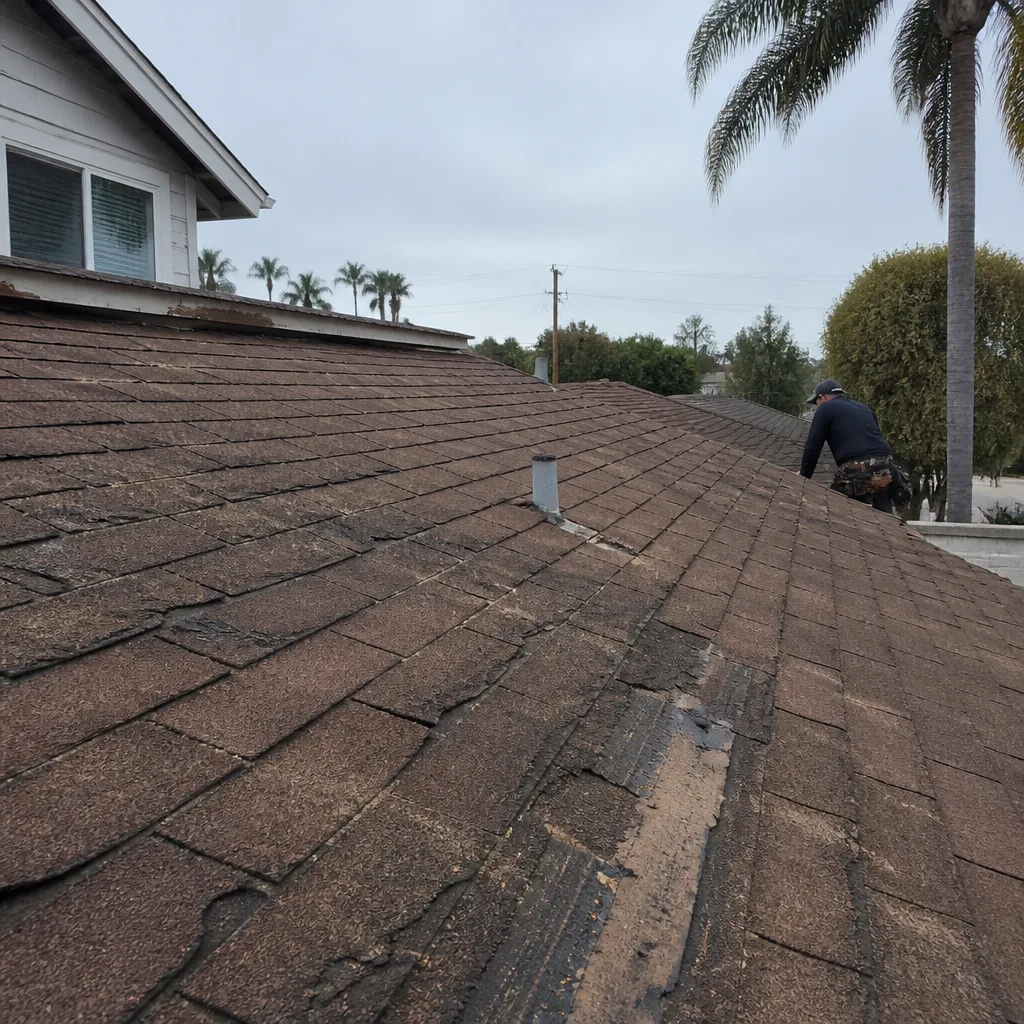 Before
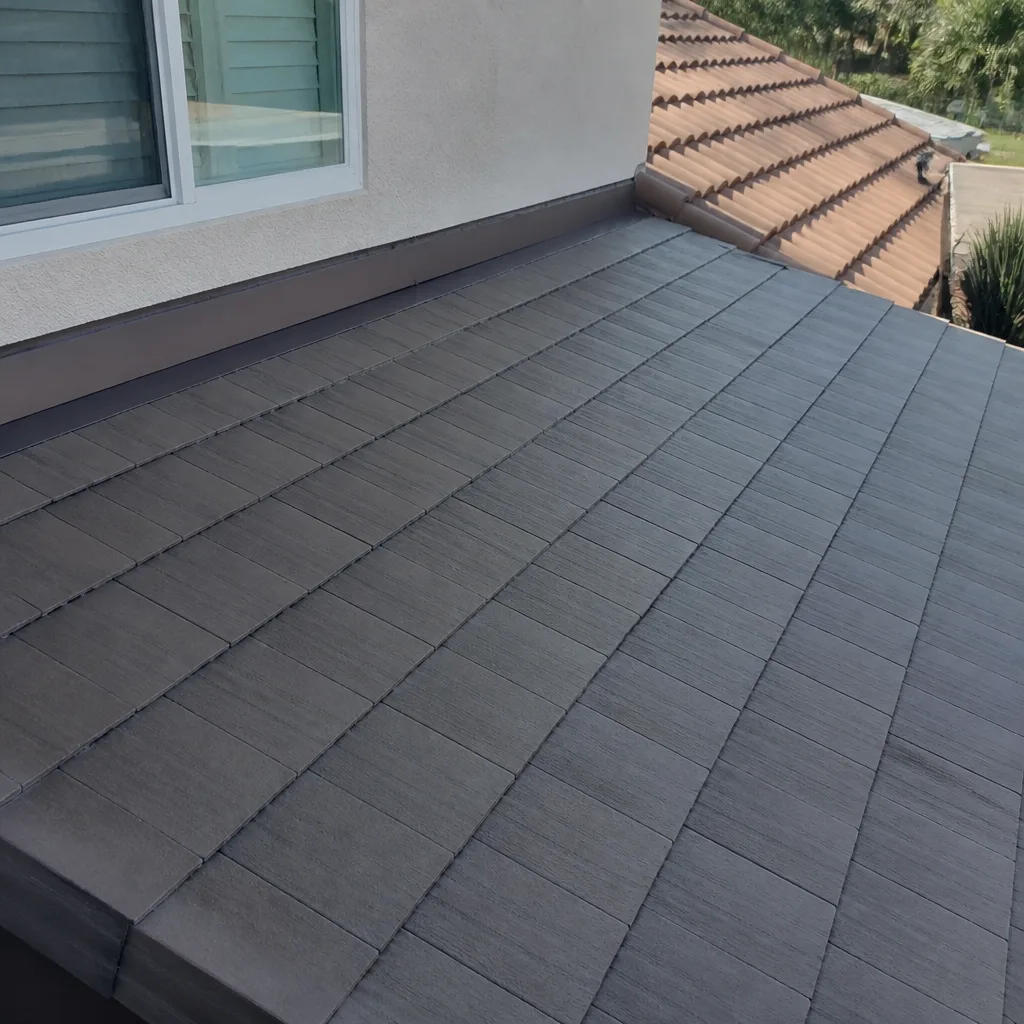 After
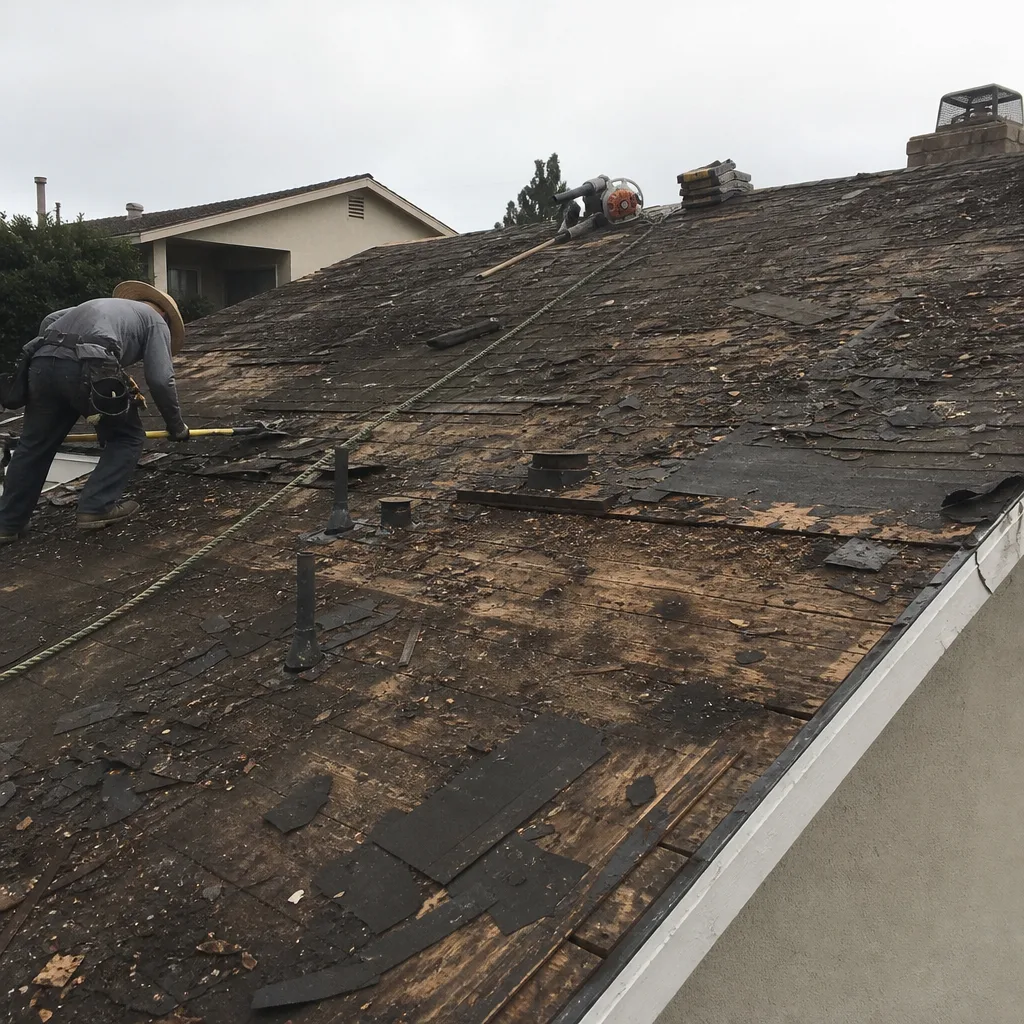 Before
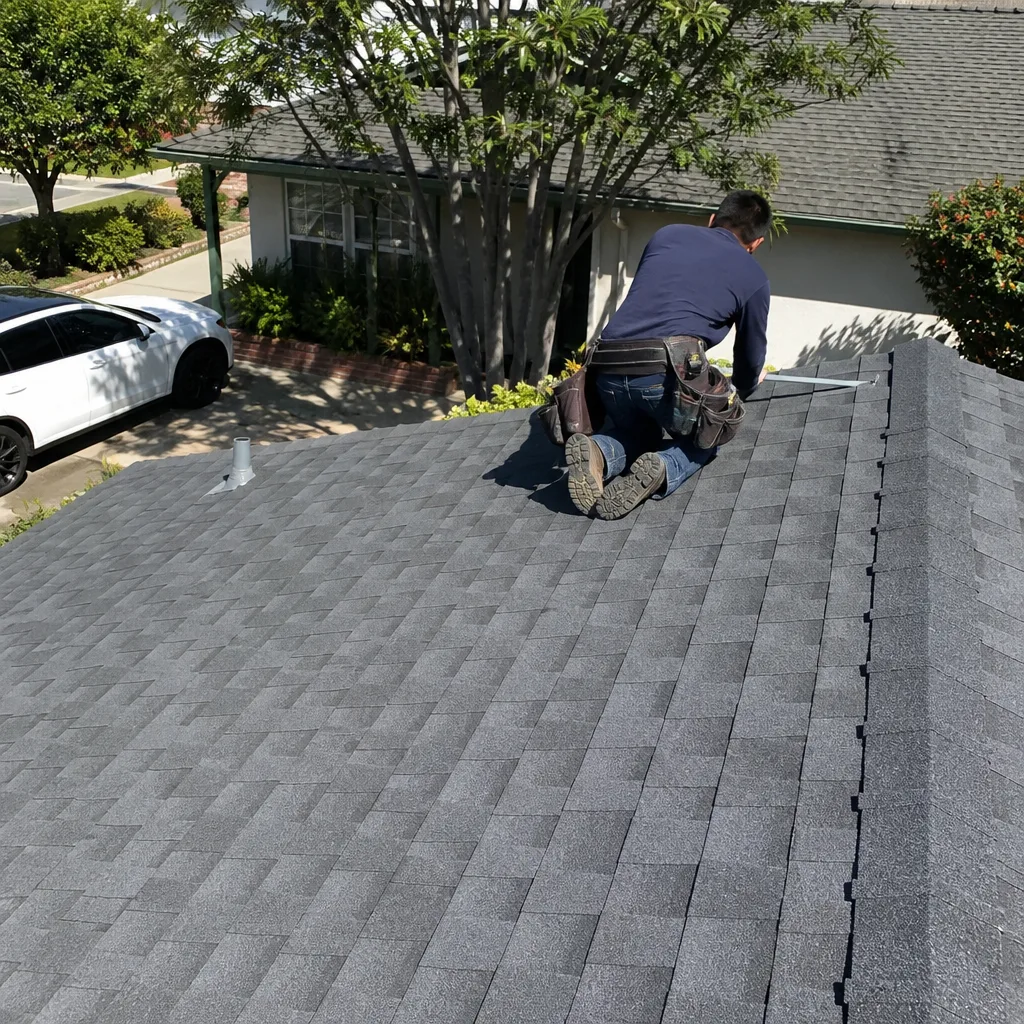 After
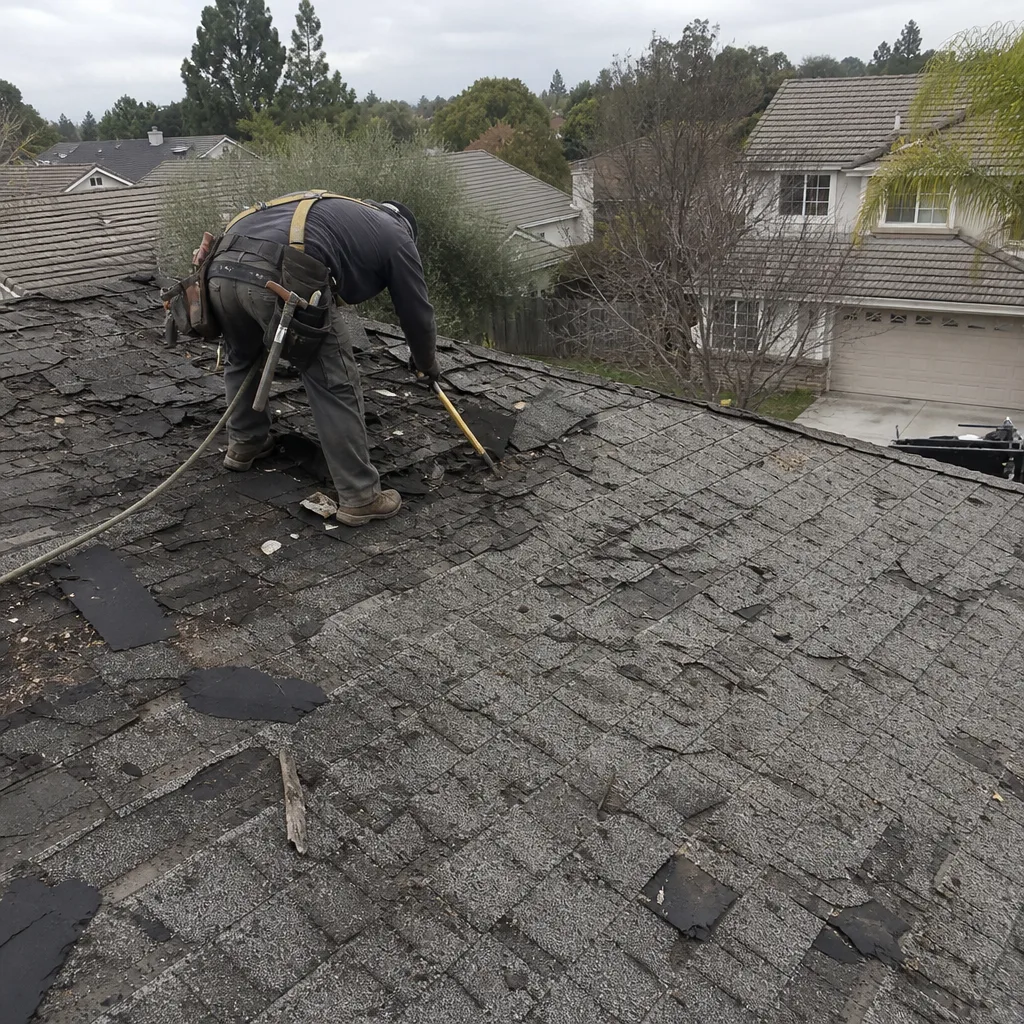 Before
 After