Last updated October 30, 2026
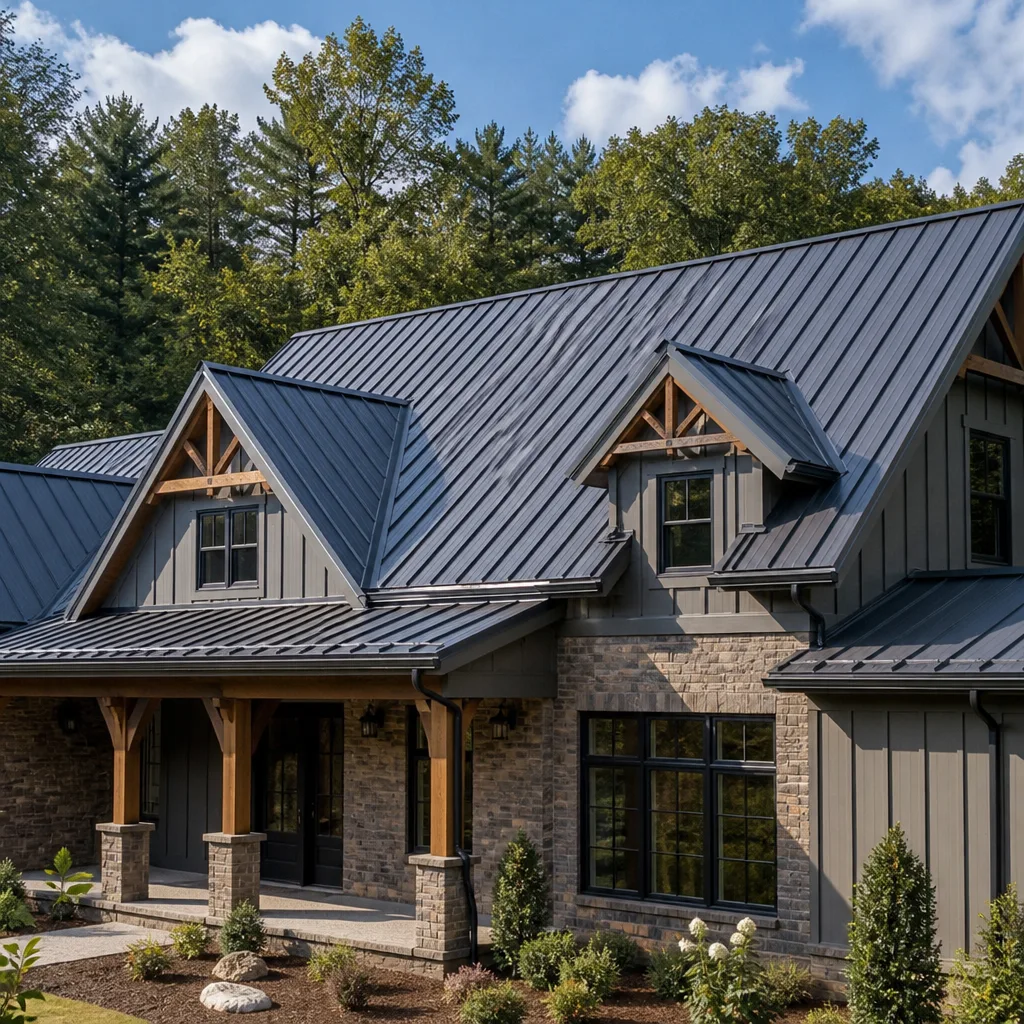 Metal roofing
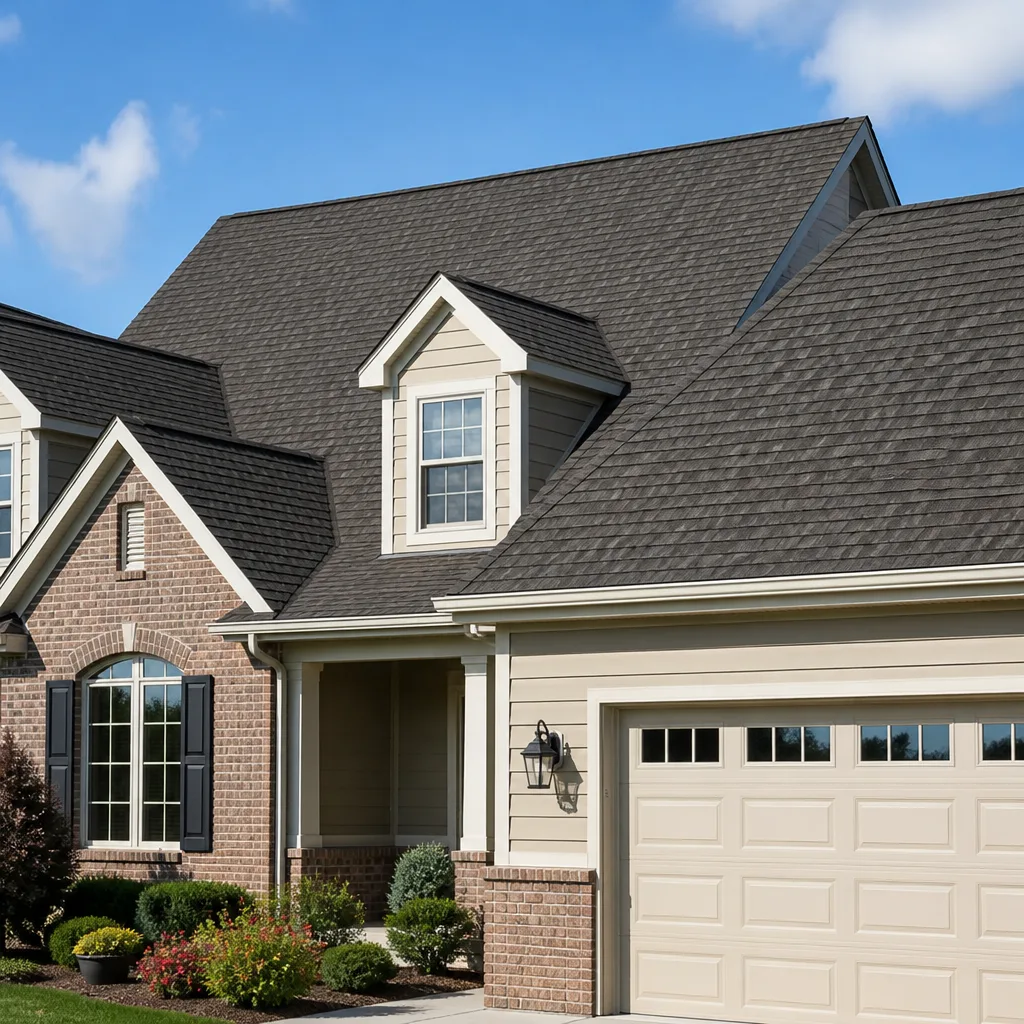 Architectural shingles
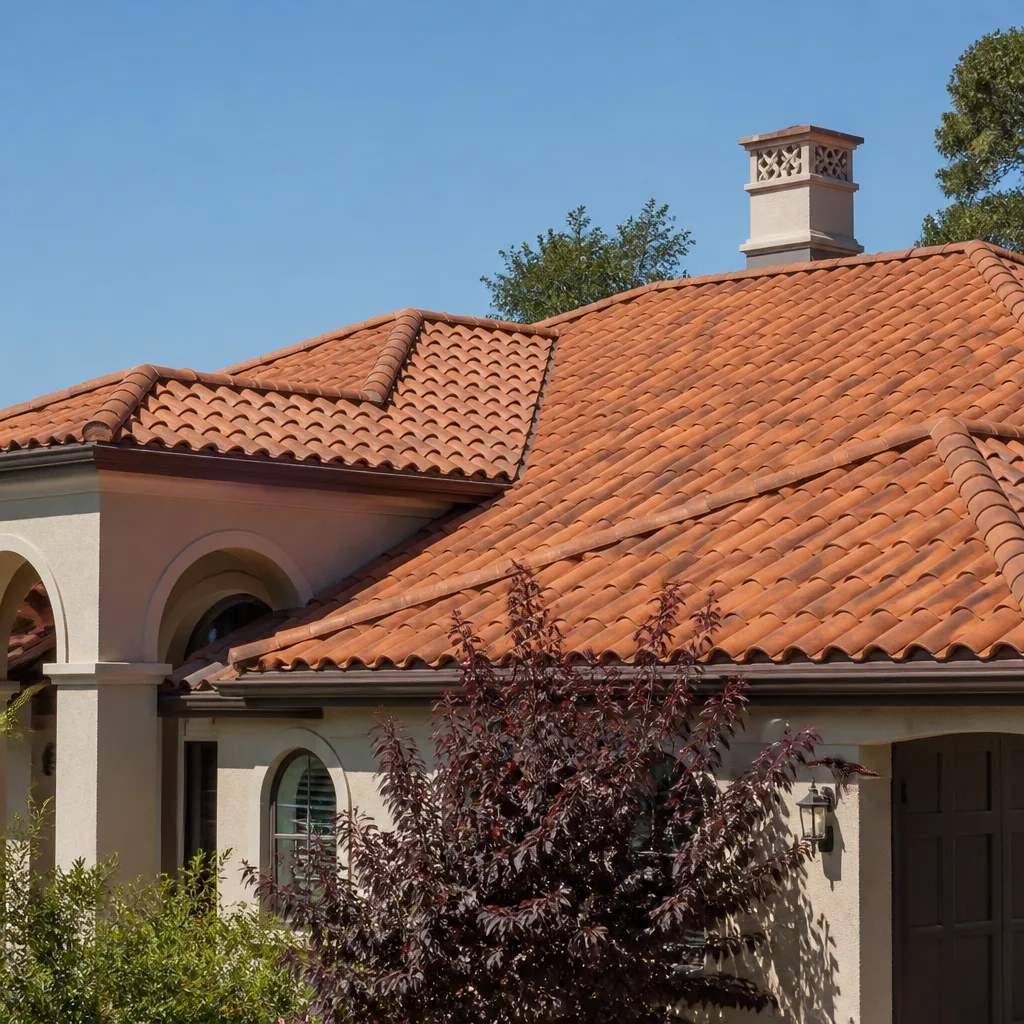 Tile roofing
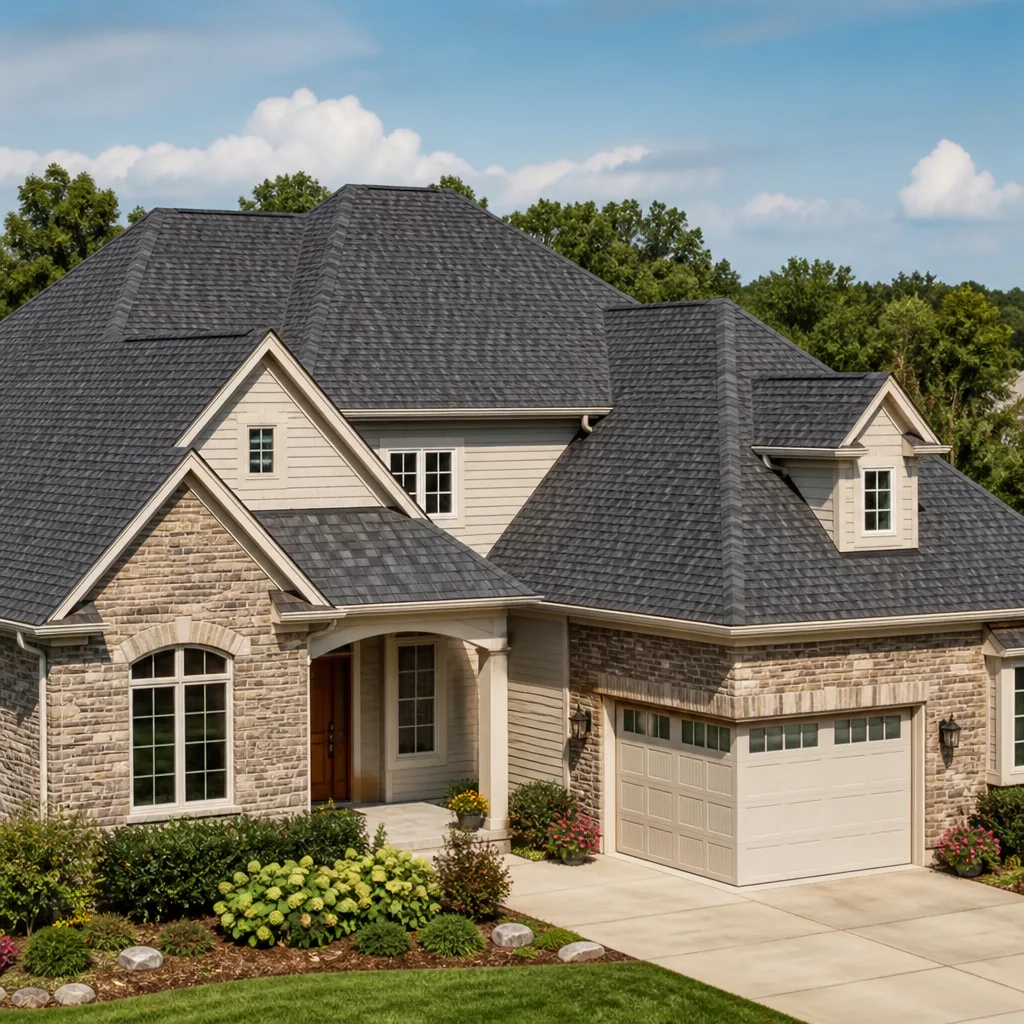 GAF
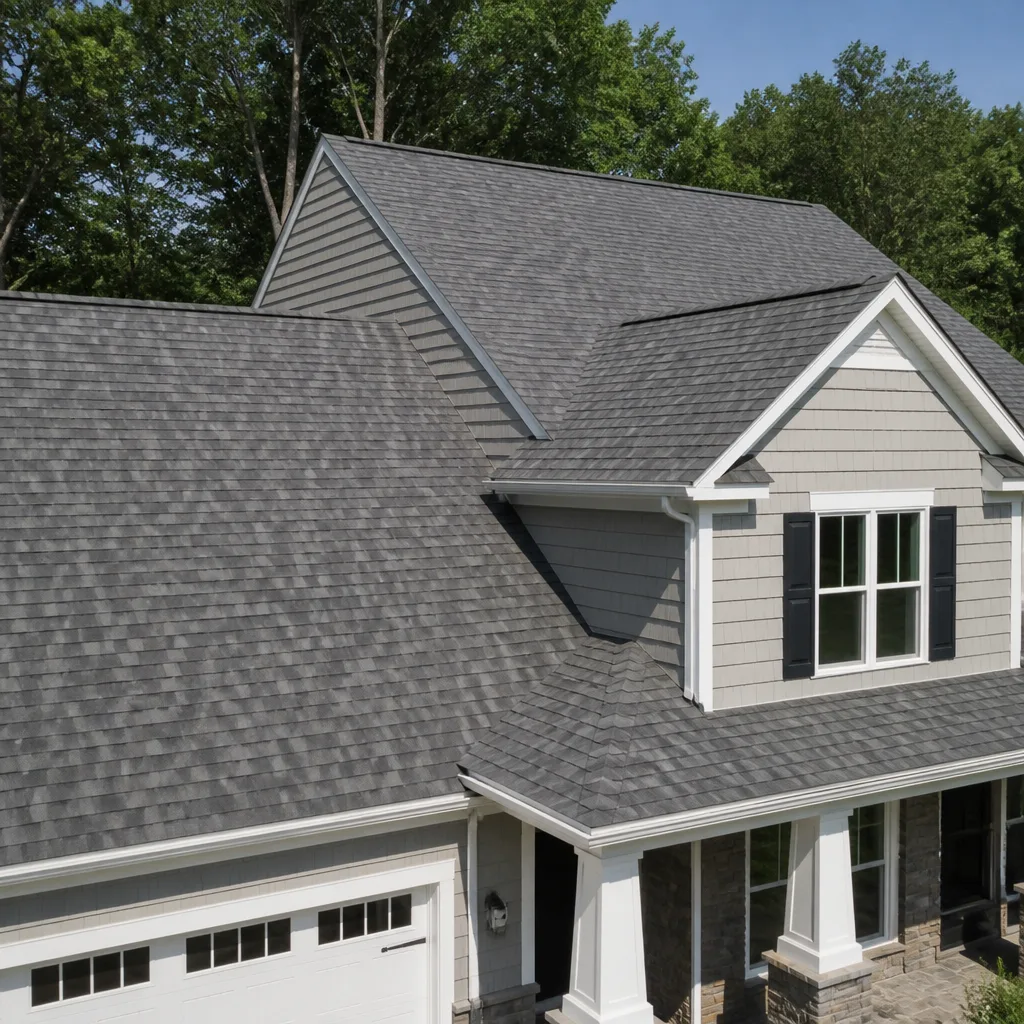 Owens Corning
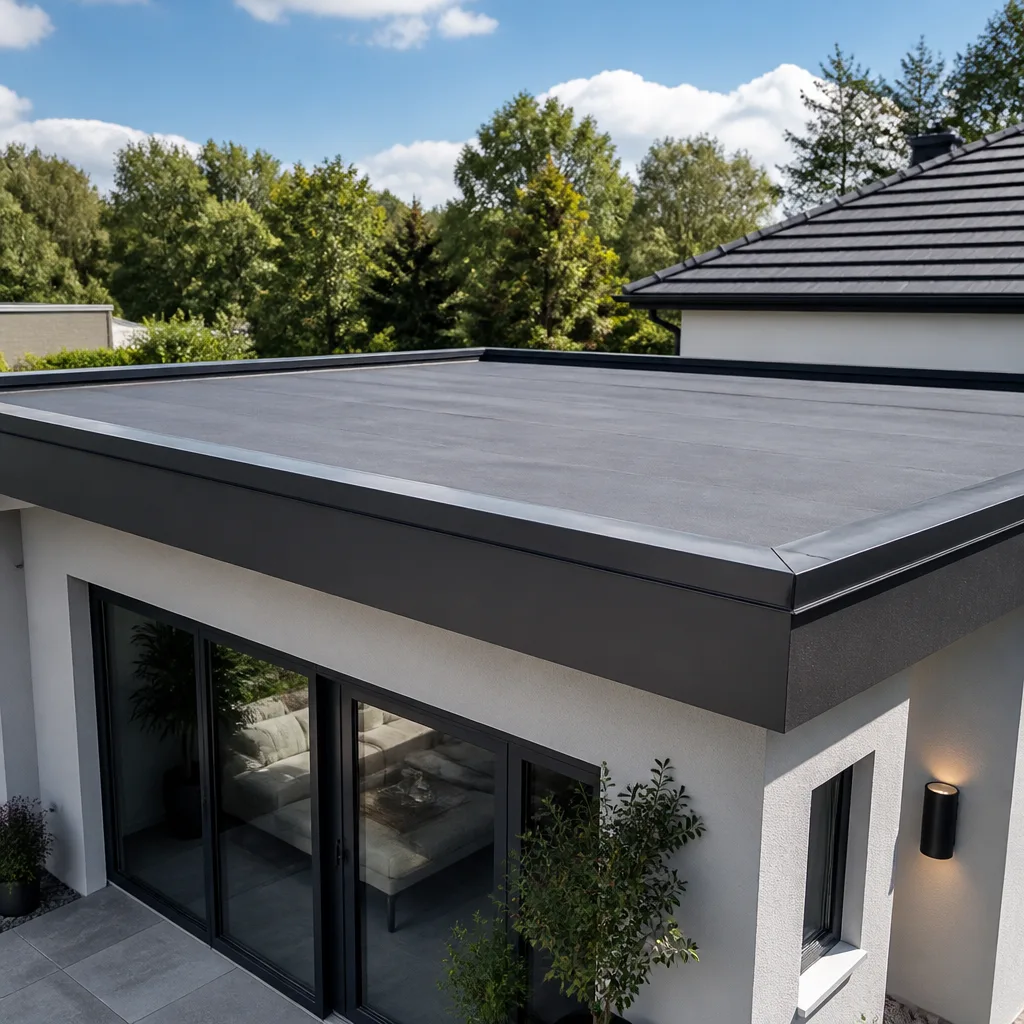 Flat & low-slope
Free roof inspection with deck photos before we talk money - GAF and Owens Corning certified installation
Choosing the Right Roofing Brand: A Buyer’s Guide for Westminster
Most homeowners in Westminster pick a roofing brand the same way they’d pick a brand of cereal: they grab whatever’s on the shelf in front of them. In roofing, that shelf is your contractor’s warehouse, and it’s stocked based on distributor contracts and volume rebates, not on what your specific roof needs. A roofing manufacturer’s “limited lifetime warranty” is not a universal promise either. It is geographically conditioned. Algae resistance ratings, wind uplift certifications, and solar reflectance values that qualify for California Title 24 vary significantly across the same brand’s product lines, and the base product rarely qualifies for what Westminster’s sun and marine layer actually demand. This guide walks you through the real differences between the leading manufacturers so you can evaluate a brand recommendation the way a roofing specialist would: by matching the product spec to the job, not the supply chain.
We’re Select Roof Repair, and we work with seven major roofing manufacturers. That matters for one reason only: when a contractor is tied to a single brand, they cannot honestly tell you when that brand’s product isn’t the best fit for your roof geometry, orientation, or budget. What they can tell you is what they stock. We’ve built this guide to close that information gap for Westminster homeowners.
Styles & brands we work with
Quick Answer
The best roofing brand in Westminster isn’t a single manufacturer. It’s the product line within a manufacturer’s catalog that matches your home’s specific wind exposure, sun orientation, and roof slope. For most Westminster homes, that means comparing GAF’s Timberline HDZ, CertainTeed’s Landmark series, and Owens Corning’s Duration line and selecting based on wind resistance class (ASTM D3161), aged solar reflectance (for Title 24 compliance), and algae warranty coverage. A contractor with multi-brand access can make that call honestly; a single-brand contractor cannot. Start with a professional roof inspection to document your existing conditions before committing to a brand.
Table of Contents
- Why Warranty Structure Matters More Than the Word ‘Lifetime’
- How to Read a Technical Data Sheet Like a Westminster Roofer
- Brand-by-Brand Comparison: GAF, CertainTeed, Owens Corning, IKO
- Entry-Level vs. Premium: Where the Value Inflection Point Actually Is
- Why Multi-Brand Access Changes the Recommendation
- Questions to Ask Any Contractor About Manufacturer Relationships
- Common Mistakes to Avoid
- When to Call a Professional
- Frequently Asked Questions
- The Bottom Line
Why Warranty Structure Matters More Than the Word ‘Lifetime’
Every major manufacturer uses the phrase “limited lifetime warranty” on their architectural shingles. The phrase is doing a lot of marketing work and very little legal work. What actually protects you are the warranty’s sub-terms: the proration schedule, the wind coverage limit, the algae warranty period, the labor coverage window, and whether the warranty transfers if you sell the home. In Westminster, where summer UV exposure can push shingle surface temperatures past 160 degrees Fahrenheit, the algae warranty and the wind coverage limit are the two terms that determine whether a “lifetime” promise is worth anything at all.
Key Warranty Terms to Compare
- Proration schedule: Lifetime warranties are rarely non-prorated for the full life of the product. Most manufacturers cover full replacement cost for the first 10 to 15 years, then prorate material value after that point based on the age of the roof.
- Wind coverage limit: Standard architectural shingles often carry a 110 mph or 130 mph wind warranty. Upgraded lines may carry 150 mph. Westminster sits in a wind zone where Santa Ana gusts rarely exceed 70 mph, but the margin matters for your insurance documentation.
- Algae warranty period: The marine layer that rolls through Westminster keeps nighttime moisture on north-facing and heavily shaded roof planes. Algae resistance is built into the granule coating, but the warranty against visible streaking is typically a separate term: 10 years on some lines, 25 years on others.
- Labor coverage window: Material warranties cover the shingle. Labor warranties cover the installation. A manufacturer’s “lifetime” warranty that excludes labor after year 2 means you’re paying for tear-off and reinstallation yourself if the product fails in year 8.
- Transferability: If you sell your Westminster home within the warranty period, some manufacturers allow a one-time transfer to the new owner. Others terminate the warranty at sale. This matters for resale value in Westminster’s competitive housing market.
When we evaluate a warranty for a homeowner during a roof repair consultation in Westminster, we read the proration schedule first. A 50-year prorated warranty on a product with a 10-year non-prorated period is not meaningfully better than a lifetime warranty with a 15-year non-prorated period. The first ten to fifteen years are the window when a manufacturing defect will actually surface.
The Contractor Certification Variable
Manufacturers offer their most favorable warranty terms only when the roof is installed by a certified contractor. GAF has Master Elite certification. CertainTeed has SELECT ShingleMaster. Owens Corning has Platinum Preferred. IKO has ShieldPRO Plus. Each tier requires the contractor to meet ongoing training requirements, maintain minimum annual installation volumes, and pass factory inspections of completed work. The warranty upgrade is real: GAF’s Golden Pledge and Silver Pledge warranties, for example, extend labor coverage and add workmanship coverage only when a Master Elite contractor does the work. If your contractor is not certified with the brand they’re recommending, you’re receiving the base warranty. In Westminster, where roof replacement costs are significant, the difference between base and extended labor coverage can be $4,000 or more on a future claim.
How to Read a Technical Data Sheet Like a Westminster Roofer
Every shingle line has a technical data sheet published by the manufacturer. Most homeowners never see it. The sheet contains the numbers that determine whether a product is right for a specific roof in Westminster’s climate. You do not need to be an engineer to extract the three specs that matter most here.
The Three Specs That Matter in Westminster
- Aged Solar Reflectance Index (SRI): This measures how well the shingle reflects solar heat after three years of weathering. California Title 24 requires a minimum aged SRI for roofing materials on most residential projects, with the specific threshold depending on your roof slope and whether the project is a repair or full replacement. Shingles with higher SRI values reduce attic temperatures, which cuts cooling load during Westminster’s hot summer months. The relevant line in the data sheet is labeled “Aged Solar Reflectance” and “Thermal Emittance.” The SRI is calculated from those two values. Premium cool-roof shingle lines meet Title 24 with room to spare; entry-level lines often fail without a supplemental radiant barrier.
- Wind Resistance Class (ASTM D3161): This is the standard test for asphalt shingle wind uplift resistance. A Class F rating means the shingle passed testing at 110 mph. A Class H rating means 150 mph. Westminster is not a high-wind market like the Gulf Coast, but Santa Ana events and the occasional winter storm system create uplift pressure on exposed roof planes, especially on homes along the northern edge of the city near the 405 corridor. If your roof has a steep pitch or faces an open area without tree cover, spec a Class H product.
- Algae Warranty Coverage: The marine layer and morning fog in Westminster create ideal conditions for Gloeocapsa magma, the cyanobacteria that causes black streaking on north-facing and tree-shaded roof planes. Most manufacturers include algae-resistant granules on all architectural shingles, but the warranty against visible algae is a separate term. Some lines warrant against algae for 10 years. Others for 25 years. On a home with heavy tree cover or a north-facing main roof plane, the longer algae warranty is worth real money because it determines whether a streaking problem is covered or considered cosmetic.
We recommend pulling the technical data sheet for any product your contractor proposes and checking these three numbers yourself. If the contractor cannot produce the data sheet, that’s a signal worth paying attention to. It means they’re selling you a product they haven’t spec-checked against Westminster conditions.
Westminster Code and Title 24 Reality
California’s Title 24 energy code applies specific prescriptive requirements for cool roofs on residential buildings, and the rules differ between new construction, additions, and re-roofing projects. In Westminster, the local building department enforces these requirements on full replacements where the roof area exceeds a certain threshold. Products that qualify for Title 24 compliance carry a CRRC (Cool Roof Rating Council) rating. Not every shingle line from every manufacturer has a CRRC-rated product. This is where the brand conversation gets concrete: within a single manufacturer’s catalog, you may find that the mid-tier architectural shingle is Title 24 compliant on a 5:12 pitch but not on a 3:12 pitch. That’s not a brand problem. It’s a product-line problem. A contractor with multi-brand access can pull a compliant product from a different manufacturer without changing the price point.
Brand-by-Brand Comparison: GAF, CertainTeed, Owens Corning, IKO
Here is a practical framework for comparing the four most commonly specified manufacturers in Orange County distribution. We work with all four, and the honest summary is this: each makes an excellent product at the top of their architectural line. The differences emerge in warranty structure, contractor certification requirements, and which specific product lines are available to contractors in Westminster’s supply chain at any given time.
GAF
GAF’s Timberline HDZ line is the volume leader in the American roofing market, and for good reason. Its wind warranty on the HDZ line runs to 130 mph as a base spec, and the shingle carries a 25-year algae warranty. The GAF certification ladder is the most rigid in the industry: Master Elite is the top tier, and it requires annual recertification, documented training, and minimum installation volumes. The Golden Pledge warranty, available only through Master Elite contractors, extends labor coverage to 25 years and covers workmanship for 25 years. That workmanship coverage is the real differentiator: it means if a GAF Master Elite contractor installs the roof incorrectly, GAF stands behind the correction. For a Westminster homeowner comparing warranties, no other manufacturer offers a workmanship guarantee that broad through their certification program.
The trade-off: GAF’s entry-level lines, specifically the Timberline Natural Shadow series, have lower wind ratings and shorter algae warranty terms. A contractor quoting a low price on “GAF shingles” without specifying the product line is often quoting the entry-level product while implying the premium.
CertainTeed
CertainTeed’s Landmark series competes directly with GAF’s Timberline HDZ. The Landmark Premium line carries a 110 mph base wind warranty, but the Landmark ClimateFlex and Landmark TL lines step up to 130 mph and add enhanced SRI values for Title 24 compliance. CertainTeed’s algae warranty on Landmark Premium runs 15 years, which is shorter than GAF’s 25 on the HDZ line. That matters on shaded Westminster roofs.
CertainTeed’s contractor certification program, SELECT ShingleMaster, offers a warranty upgrade similar to GAF’s but with a different structure. The SureStart PLUS warranty extends labor coverage to 25 years when installed by a SELECT ShingleMaster contractor. The frequency of recertification is less demanding than GAF’s Master Elite, which means more contractors hold the certification. The product itself is excellent, and CertainTeed’s color lineup tends to have more muted, architectural tones that fit Westminster’s mid-century and Spanish-influenced housing stock well.
Owens Corning
Owens Corning’s Duration line has a different value proposition: the shingle is built with a fabric reinforcement strip that Owens Corning markets as SureNail technology. In practical terms, this makes the shingle more forgiving in windy conditions during installation, which reduces the chance of nail blow-off during a Santa Ana event. The Duration line carries a 130 mph wind warranty and a limited lifetime algae warranty that Owens Corning structures differently than its competitors: the algae coverage is included in the limited lifetime material warranty rather than as a separate 10 or 25-year term. That’s a meaningful structural difference, and it favors Westminster homeowners with heavily shaded roofs.
The Owens Corning Platinum Preferred contractor tier offers a warranty extension on labor, but the workmanship coverage is not as comprehensive as GAF’s Golden Pledge. Owens Corning products also have strong availability in Orange County distribution, which means contractors can access the full Duration color range without waiting on special orders.
IKO
IKO’s Cambridge architectural shingle line is a value-positioned product that frequently competes on price against the other three brands. The shingle carries a 110 mph wind warranty, and the algae warranty is 10 years. IKO’s quality control has improved significantly over the past decade following a class-action settlement over dimensional stability issues affecting early 2000s product. The current Cambridge line is a solid product, but it does not carry the same wind and algae specs as the premium lines from GAF, CertainTeed, or Owens Corning.
For a Westminster roof with low wind exposure, full sun on all planes, and a budget-driven decision, IKO is a legitimate option that saves meaningful money without sacrificing basic functionality. For a north-facing, tree-covered, steep-pitch roof, IKO’s warranty structure is the least favorable of the four. That’s not an indictment of the product. It’s an example of why brand comparisons only make sense when tied to a specific roof.
Entry-Level vs. Premium: Where the Value Inflection Point Actually Is
Within every manufacturer’s catalog, there is a significant performance gap between the entry-level architectural shingle and the premium line. In Westminster’s UV environment, that gap widens faster than in more temperate markets because of three factors: sustained high surface temperatures, marine-layer moisture cycling, and the prevalence of tile roof replacements that push homeowners toward asphalt alternatives.
The Temperature Factor
Inland Westminster neighborhoods, particularly areas east of Beach Boulevard, experience summer ambient temperatures that routinely hit the mid-90s. Roof surface temperatures on a dark entry-level shingle can reach 160 degrees Fahrenheit. At those sustained temperatures, the asphalt in the shingle oxidizes faster, which means granular loss accelerates and the shingle becomes brittle sooner. Premium lines use modified asphalt formulations and denser granule coverage, which slows oxidation. The practical effect in Westminster is that a premium shingle from any of the four major manufacturers will hold its granule coating and flexibility for 5 to 8 years longer than that brand’s entry-level product in the same exposure. That gives the premium line a lower total cost of ownership over a 30-year horizon, even though the upfront cost is 20-25% higher.
The SRI Factor
Premium shingle lines often include enhanced SRI values as a standard spec. GAF’s Timberline HDZ with reflective granules and CertainTeed’s Landmark ClimateFlex both carry CRRC ratings that satisfy Title 24 prescriptive cool roof requirements on typical residential slopes. Entry-level lines may require a separate cool-roof product or a radiant barrier to achieve compliance. If you are re-roofing in Westminster and the building department requires Title 24 documentation, the premium shingle can simplify permitting and avoid a change order mid-project.
Where the Value Inflection Point Is
After evaluating hundreds of Westminster roofs, our position is this: if the price difference between an entry-level shingle and a premium architectural shingle is under $40 per square (100 square feet of roof area), take the premium product. The improved wind rating, longer algae warranty, better SRI performance, and slower oxidation rate are worth more than $40 per square over the life of the roof. If the price spread is over $60 per square, the premium product becomes harder to justify on a roof with lower wind exposure and minimal shading. The best value in roofing is not the cheapest product or the most expensive product. It’s the product where the performance jump per dollar is steepest for your specific roof conditions, and that point moves depending on your address in Westminster.
Why Multi-Brand Access Changes the Recommendation
A contractor who is certified with one manufacturer and stocks only that brand’s products has an incentive to recommend that brand for every roof. That’s not a character flaw; it’s a structural reality. When the solution set is one brand, every problem looks like that brand’s product. For a Westminster homeowner, that means a roof with a steep 8:12 pitch facing the 405 corridor gets the same recommendation as a low-slope 4:12 roof in a shaded neighborhood west of Springdale Street. The recommendation is driven by inventory, not by engineering.
Multi-brand access changes the conversation. When a contractor can pull from seven manufacturers, as we do at Select Roof Repair, the recommendation starts with the roof’s geometry, orientation, and exposure. We ask three questions before we mention a brand name.
- What is the roof’s wind exposure? A home on an open lot in northern Westminster faces different uplift pressure than a home tucked into a tree-lined street in the central neighborhoods. Wind exposure dictates the ASTM D3161 class to spec.
- What is the roof’s solar orientation? A south-facing roof plane carries a heavier UV load than a north-facing plane. If the home’s primary living spaces sit under the south plane, SRI matters for cooling costs and Title 24 compliance. If the south plane is over the garage only, the SRI conversation shifts.
- Where is the shading? Marine-layer fog settles on north-facing and heavily shaded planes. Algae resistance matters on those planes specifically, not uniformly across the roof. A brand with a 25-year algae warranty costs more, but on a shaded roof, that warranty becomes the differentiator.
Only after those three questions do we get to brand. And at that point, the brand conversation is about matching a product line’s spec sheet to the roof’s conditions. Sometimes the best fit is GAF. Sometimes it’s CertainTeed. Sometimes the budget constraints point to IKO or Atlas or Tamko, and the spec sheet confirms the product will perform for that specific job. The point is that the brand follows the roof, not the other way around.
Questions to Ask Any Contractor About Manufacturer Relationships
You don’t need to become a roofing brand expert to protect yourself. You need to ask the right questions and pay attention to whether the contractor answers directly or deflects. Here are six questions we recommend every Westminster homeowner ask before signing a roof replacement contract.
- Are you a certified installer for the brand you’re recommending, and at what tier? The answer should include a specific certification name: Master Elite, SELECT ShingleMaster, Platinum Preferred, ShieldPRO Plus. If the contractor is not certified with the brand they’re recommending, the extended warranty terms are not available to you. If they recommend a brand they’re not certified with, ask why.
- Which specific product line are you quoting, not just which brand? A quote that says “GAF shingles” without the product line name is incomplete. Timberline HDZ is a different product than Timberline Natural Shadow. If the contractor won’t name the product line, the quote is not binding in any meaningful sense.
- What do you actually keep in stock, and what happens if you run short mid-job? This is the question that exposes single-brand dependency. If the contractor stocks only one manufacturer and runs short, they’ll either delay the project waiting on a distributor order or substitute a different brand to get the job done. If they substitute, your warranty picture changes. Ask directly: what happens if the ordered product is backordered on installation day?
- What is the wind rating and algae warranty on this specific product? The contractor should be able to quote these numbers from memory or pull up the data sheet on their phone. If they can’t produce the spec, they haven’t done the engineering work on your roof. You can find this information yourself, but a professional should know it.
- Does this product meet California Title 24 cool roof requirements for my roof slope? The answer depends on your roof pitch and the product’s CRRC rating. A knowledgeable contractor answers this in one sentence, because they’ve already checked. A contractor who hasn’t checked is a risk on the permitting side.
- What does your workmanship warranty cover, and how does it interact with the manufacturer’s warranty? Separate the two. The manufacturer covers the product. The contractor covers the installation. A strong contractor workmanship warranty, combined with a manufacturer’s extended warranty through certification, gives you two layers of protection. If the contractor’s workmanship warranty is 2 years and the manufacturer’s labor coverage is 10 years, there’s a gap you should understand before signing.
These questions do not make you a difficult client. They make you an informed one, and they quickly separate contractors who spec roofs from contractors who sell whatever their distributor loaded onto the truck this month.
Common Mistakes to Avoid
- Choosing a brand before understanding the roof condition. The brand decision should follow a professional roof inspection in Westminster, not precede it. You can’t spec shingles for a roof with decking rot or inadequate ventilation without addressing those first, and the inspection surfaces that information.
- Assuming a “lifetime warranty” means you’ll never spend another dollar. Lifetime warranties prorate. The full replacement cost coverage window is typically 10 to 15 years. After that, the material reimbursement ratio declines based on the roof’s age. Read the proration schedule before comparing warranty claims.
- Comparing quotes without comparing product lines. A $1,500 difference between two Westminster contractor quotes often reflects a difference in product tier, not a difference in contractor greed. Entry-level shingles from one brand are not a fair comparison to premium shingles from another. Ask each contractor to quote the same product line, or at minimum, show you the spec sheet difference that justifies the price gap.
- Ignoring the algae warranty on shaded roofs. In Westminster neighborhoods with mature tree canopy, black streaking can appear within 5 to 7 years on shingles with short algae warranties. The visual downgrade affects curb appeal and resale value. On a heavily shaded roof, the algae warranty term should be a primary selection criterion, not an afterthought.
- Not verifying contractor certification status. Manufacturers publish directories of certified contractors. GAF, CertainTeed, Owens Corning, and IKO all have searchable databases online. If a Westminster contractor claims Master Elite status, verify it. The warranty upgrade depends on that certification being current, not just on the contractor’s marketing copy.
- Overlooking the Title 24 documentation requirement. Westminster’s building department enforces Title 24 on full roof replacements. If the shingle product does not meet the cool roof requirement for your roof slope, the permit will not clear. Confirm Title 24 compliance in writing before the project starts, not as a mid-project surprise.
When to Call a Professional
A brand decision cannot be made responsibly from a brochure or a website. You need eyes on the roof. Call a professional when your current roof is over 15 years old and you’re starting to think about replacement; when you see granule loss in your gutters or downspouts; when you notice ceiling stains, curling shingles, or visible gaps around flashing; or when you’re planning a roof replacement in the next 12 months and want to start the brand conversation from a factual condition report rather than a guess. The inspection is the diagnostic step that tells you whether repair is still serviceable or whether full roof replacement in Westminster is the smarter long-term investment. Select Roof Repair offers free estimates in Westminster – call (855) 382-0485 to schedule an inspection, and we’ll walk you through the brand decision with your specific roof conditions in front of us.
Frequently Asked Questions
The best brand for Westminster’s climate is the one whose premium architectural line matches your roof’s specific wind exposure and solar orientation. GAF’s Timberline HDZ with a 25-year algae warranty works well on shaded roofs, while CertainTeed’s Landmark ClimateFlex and Owens Corning’s Duration lines offer enhanced SRI values for Title 24 compliance on full-sun roofs. A contractor with multi-brand access can spec the right product line for your specific roof conditions.
Roof replacement costs in Westminster vary based on roof size, pitch, tear-off requirements, and the product line selected. Architectural shingle replacements in Westminster typically run between $12,000 and $28,000 for a standard single-family home, with premium product lines and steep-pitch complexity pushing toward the higher end. For an exact quote on your roof, call (855) 382-0485 – estimates are free, and we provide a written line-item quote before any commitment.
A limited lifetime warranty covers manufacturing defects in the shingle, with full replacement value during an initial non-prorated period, typically 10 to 15 years, followed by prorated material coverage based on the roof’s age. The warranty does not cover installation errors, and labor coverage is a separate term that varies by manufacturer and contractor certification tier. Wind and algae coverage are also separate terms with their own limits and periods, so read the specific product line’s warranty document rather than relying on the marketing phrase.
Brand does not dictate architectural style. Color profile and shingle profile do. Within each manufacturer’s lineup, there are color palettes suited to Westminster’s Spanish, Mediterranean, and mid-century housing stock, and the architectural shingle profile delivers the dimensional look that complements most of those styles. The right brand decision is driven by performance specs, not aesthetics, but the color selection should be made with your home’s exterior palette in mind.
Legally, a contractor can substitute a different product if the contract does not specify the brand and product line, but substitution changes your warranty terms and may change the wind rating, algae warranty, and SRI performance. Insist that the contract names the specific manufacturer and product line. If the contractor proposes a substitution mid-job, ask for the spec sheet on the replacement product and confirm in writing that the warranty terms are equivalent or better. If they cannot provide that confirmation, the substitution should not be accepted.
Yes. A roof inspection documents the condition of your decking, ventilation, flashing, and underlayment, and those factors constrain which products can be installed and how the project must be executed. Westminster homes with older skip sheathing or inadequate ventilation may require decking remediation before certain premium shingle lines can be installed to warranty spec. The inspection also gives you a factual basis for choosing between roof repair and full replacement, which determines the brand decision entirely. Call (855) 382-0485 to schedule a standalone inspection with no obligation to proceed.
The Bottom Line
Choosing a roofing brand in Westminster is not about picking a winner from a list. It’s about reading a spec sheet against your specific roof’s wind exposure, solar orientation, and shading profile, then selecting the product line that fits. GAF, CertainTeed, Owens Corning, and IKO all make legitimate products, and the right choice shifts from roof to roof. A contractor with multi-brand access can make that call honestly; a single-brand contractor makes it based on inventory. Start with an inspection, confirm the product line in writing, verify the contractor’s certification, and compare warranty terms at the detail level: wind class, algae period, labor coverage, proration schedule. The right material for your roof is the one that matches the job, not the one that matches the warehouse.
Written by the team at Select Roof Repair, serving Westminster since 2018.
See the difference
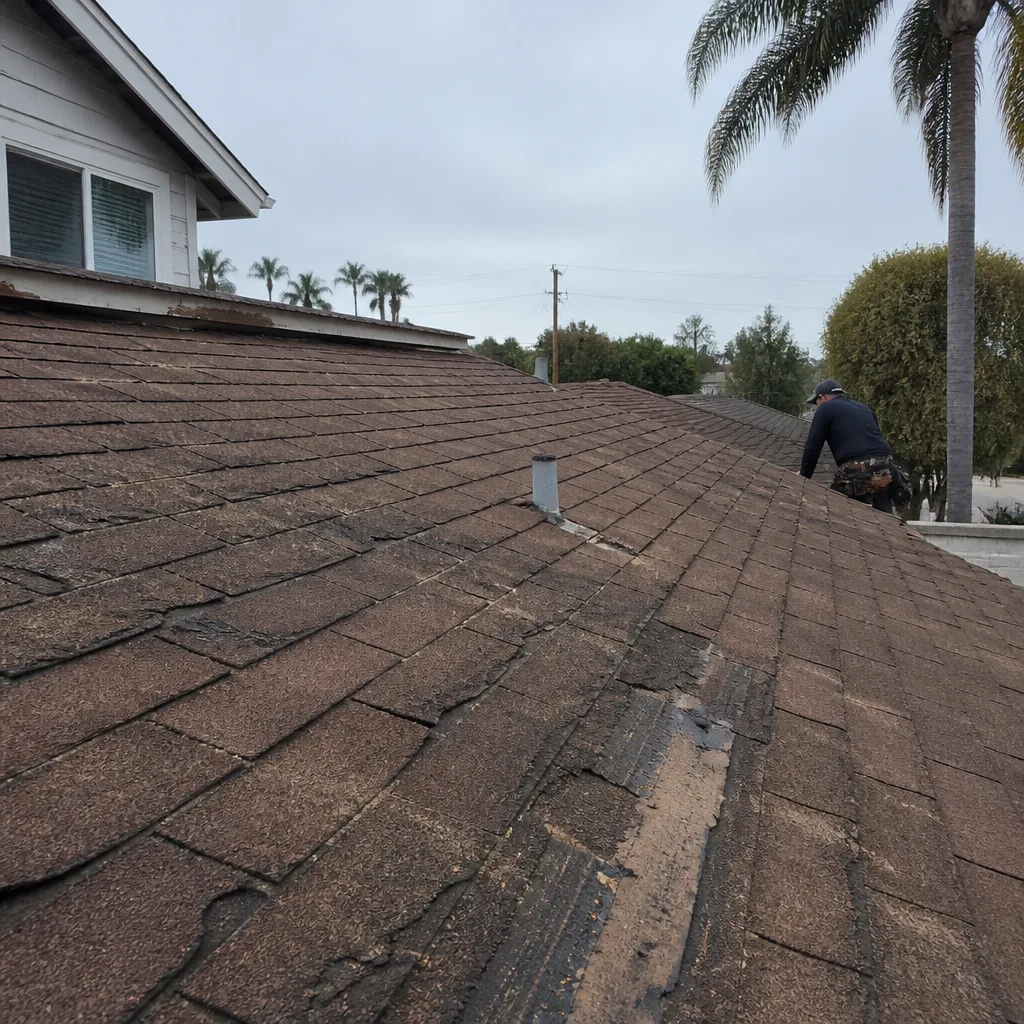 Before
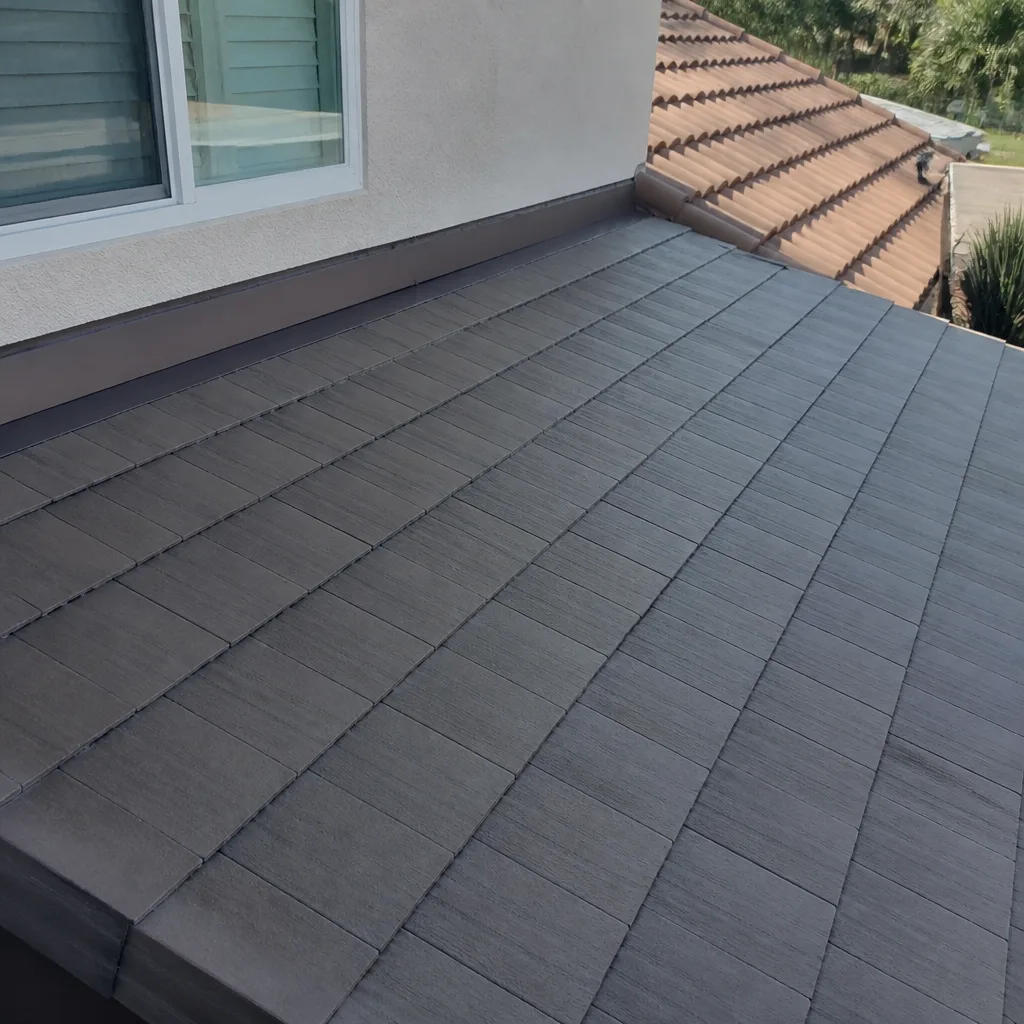 After
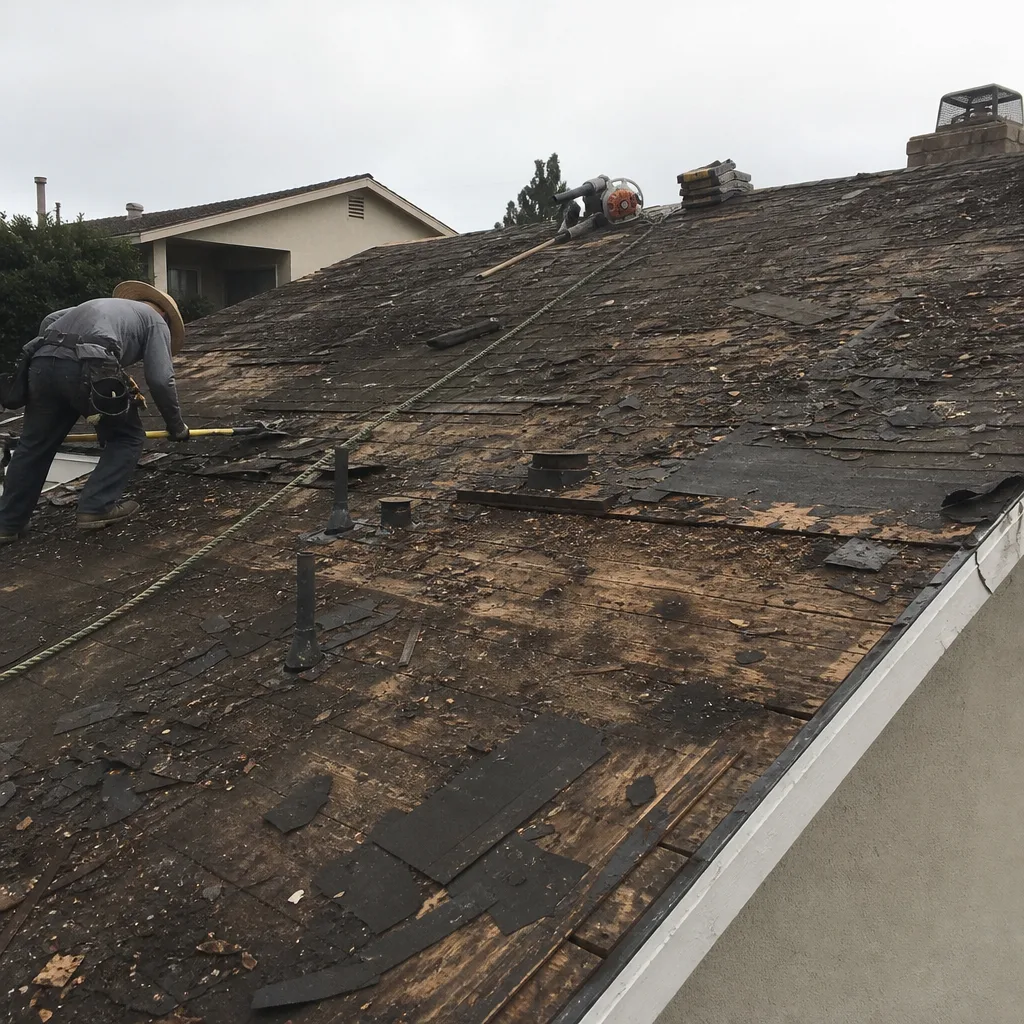 Before
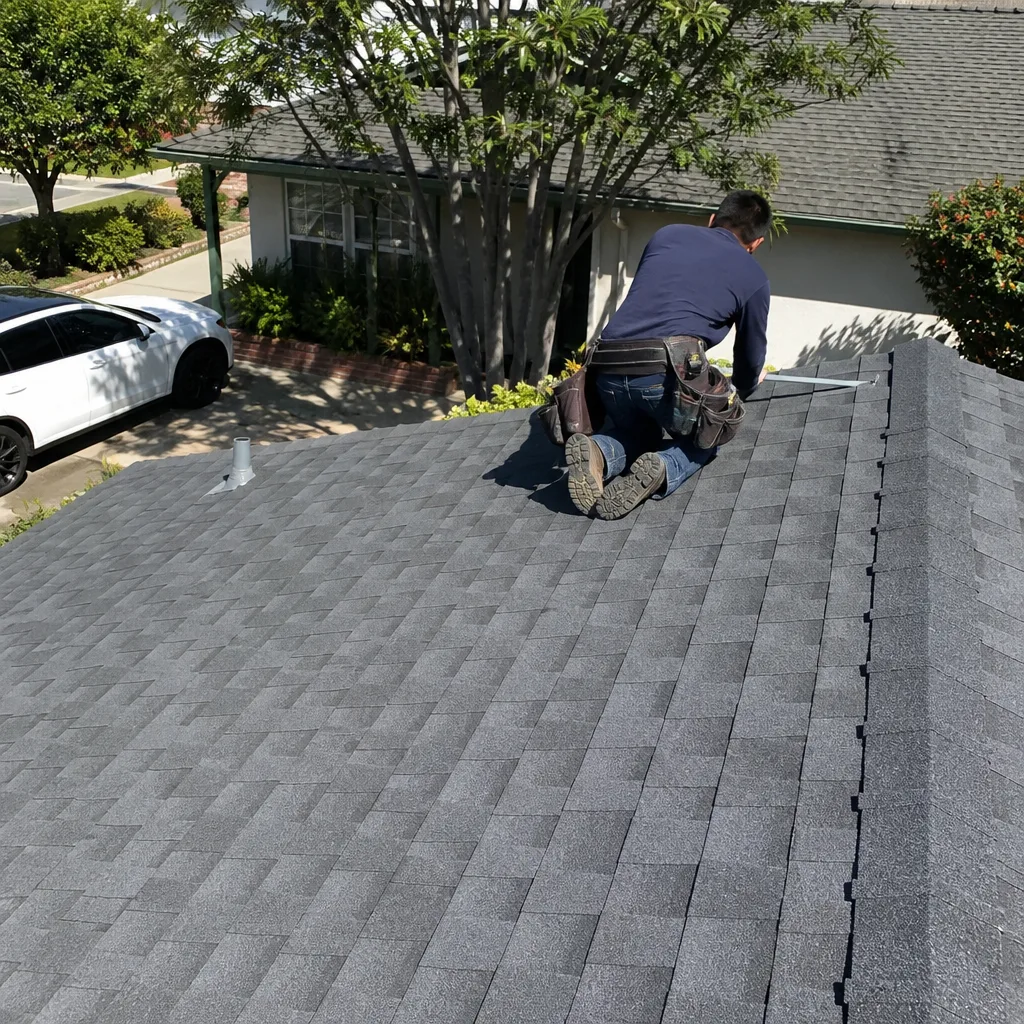 After
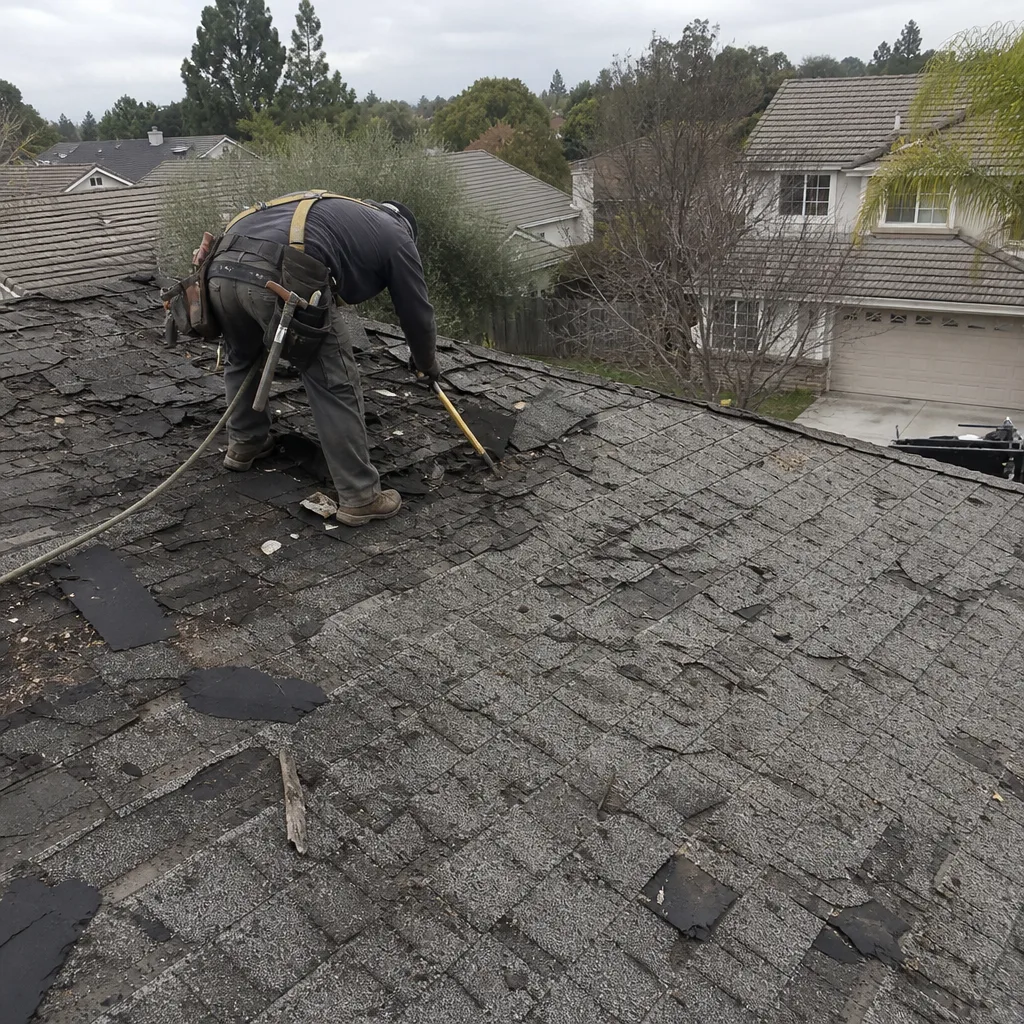 Before
 After